Camino De Santiago
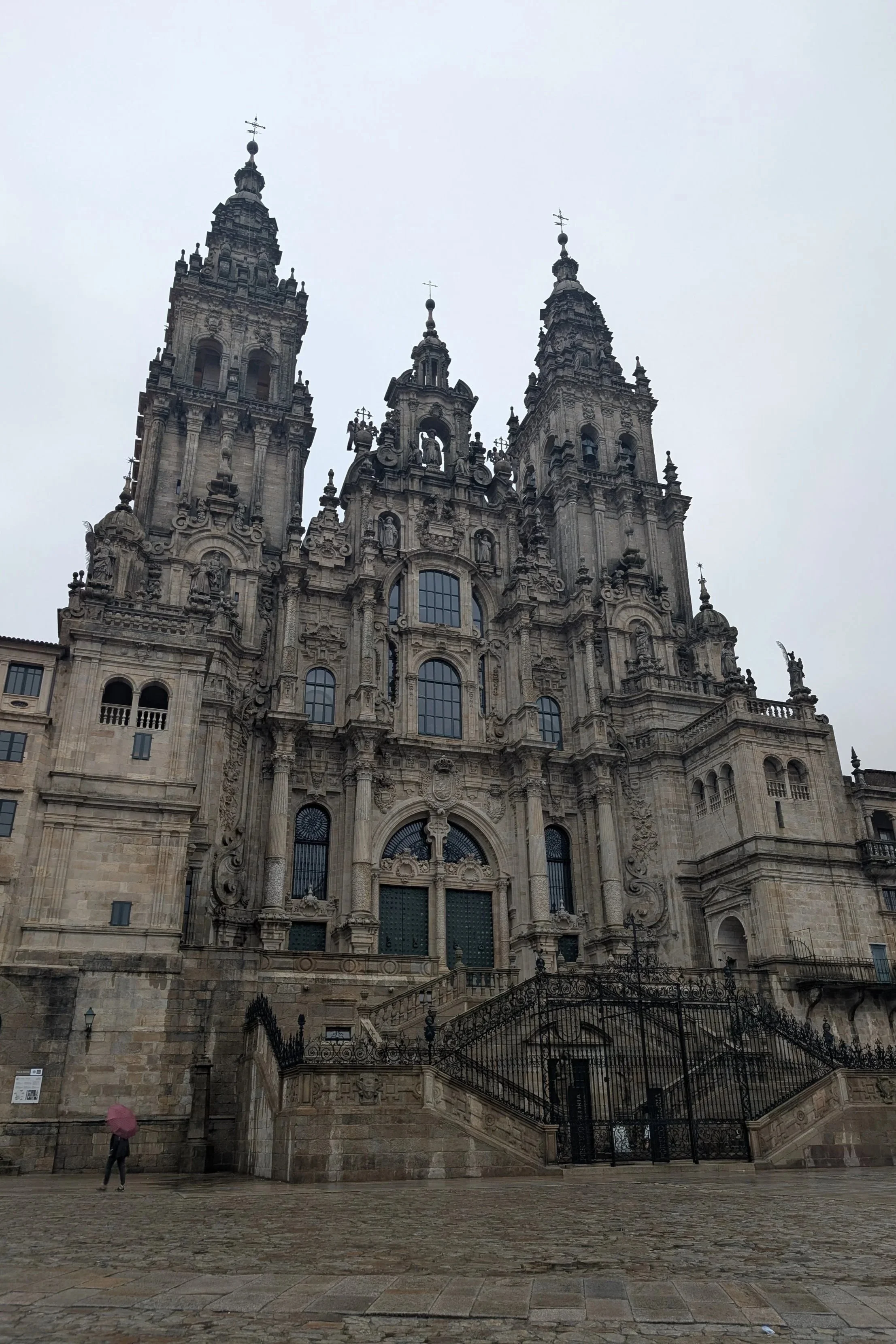
Santiago de Compostela, Spain — September 7, 2025.
Route: The Camino Francés
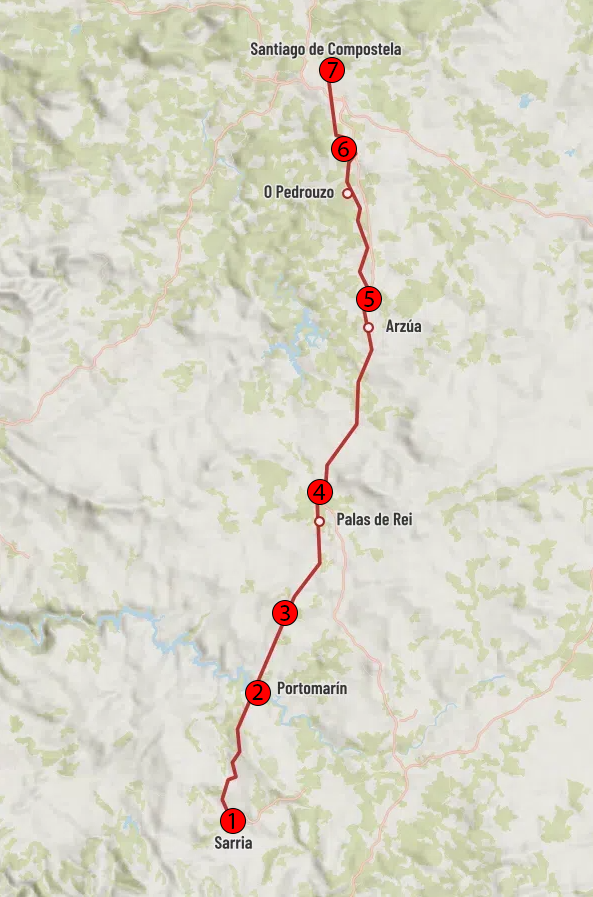
The Camino Francés route from Sarria to Santiago, with our hotel stops marked in red.
We chose to walk the final 115 kilometers of the Camino Francés, traveling from Sarria to Santiago de Compostela. This is one of the most popular sections of the Camino, as pilgrims must complete at least 100 kilometers on foot to receive the Compostela in Santiago. For us, it was also the most realistic option, allowing us to experience the Camino while keeping daily distances manageable.
We averaged about 12 miles per day, with our shortest day being 7 miles and our longest stretching to 18 miles. The 18-mile day came from a last-minute accommodation booking, and I would not recommend repeating that mistake. Planning overnight stops in advance makes a significant difference in both comfort and recovery—especially when walking consecutive days.
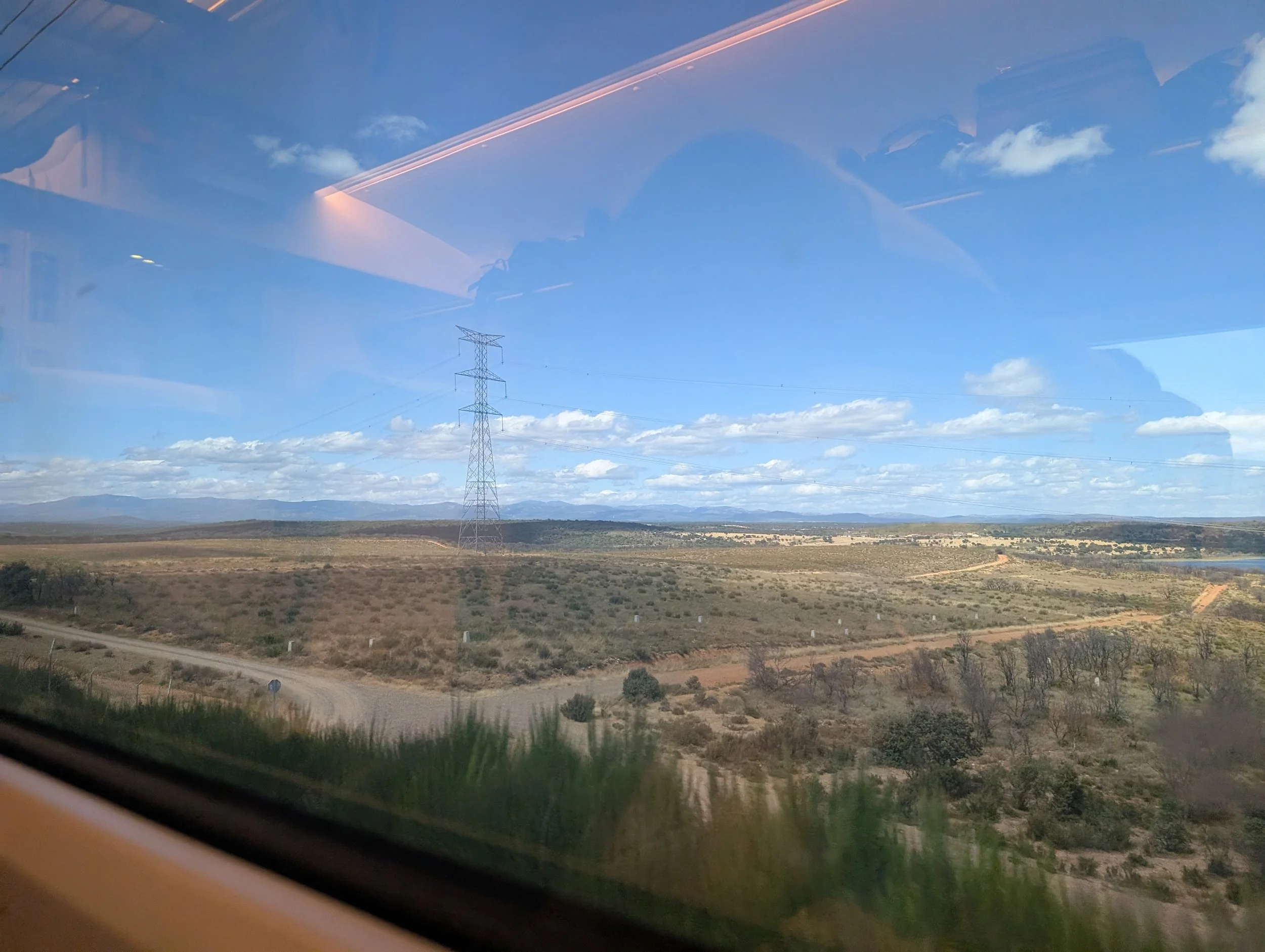
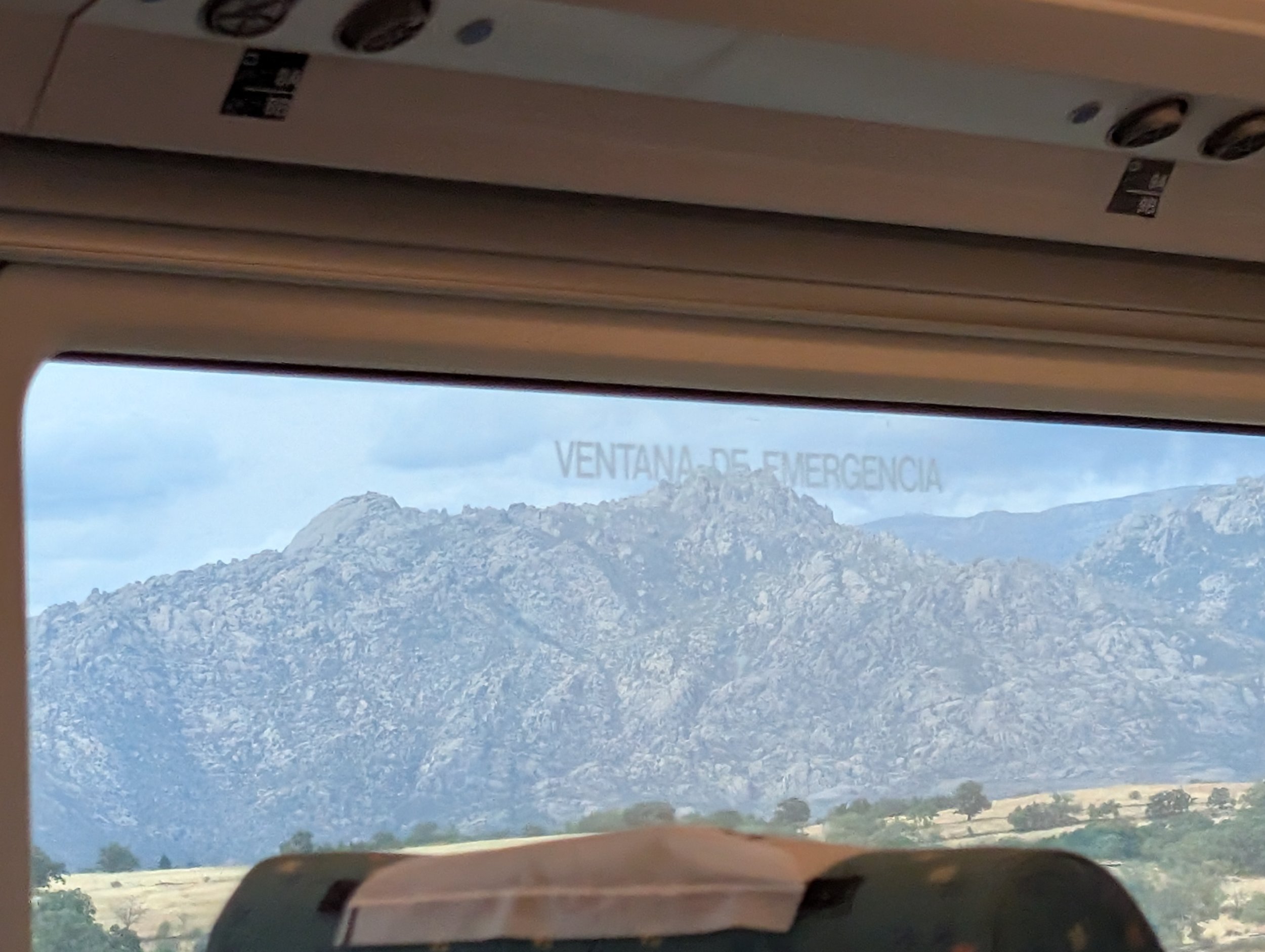
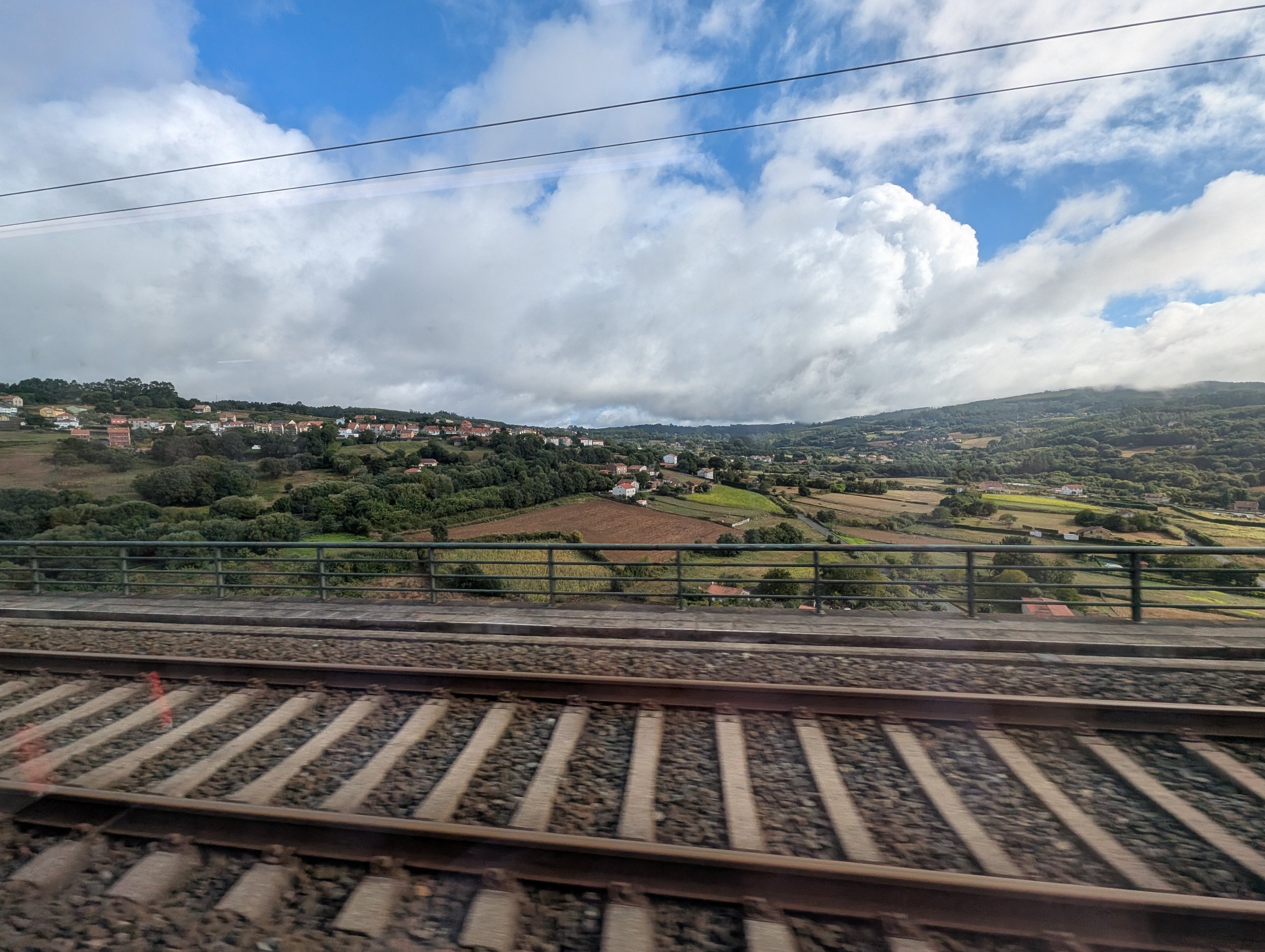
Our Story
This adventure began with a backpack I gave my mother back in 2018. That year marked the first time we heard about the Camino de Santiago—a thousand-year-old Spanish pilgrimage completed by the Apostle Saint James. It was also the first time she ever expressed interest in taking on something so ambitious, let alone a 73-mile journey. That Christmas, I bought her the backpack that would start our adventure.
By 2025, eight years after that first glimpse of the Camino, she still hadn’t completed her goal. At 63 years old, I realized that if I didn’t accompany her, she might never do it. Tackling a backpacking journey in a foreign country—without speaking the language—is an ambitious feat for anyone. But doing it alone was the greatest obstacle for her. I’m grateful to have been the person who could walk beside her and share this path, and it’s an experience I wouldn’t trade for the world.
Planning
As you can imagine, a trip like this requires careful planning. While it’s always possible to join a pre-planned group tour, we wanted the freedom to experience the Camino on our own terms. Since saving money was also a priority, we decided to plan the entire trip ourselves.
Booking.com made this process incredibly simple. We were able to book both our flights and hotels in one place, with direct access to all of our reservations through the app.
Here is the breakdown of our costs for two travelers:
Flights (Round Trip): $1,465.33
Hotels (10 Days): $1,028
Food (10 Days): $380
TOTAL (2 Travelers): $2,873.33
The average pilgrim will typically spend less, as many do not fly across the Atlantic Ocean and choose to stay in hostels. As a duo traveling with an elderly individual, we opted for hotels to avoid shared bathrooms, noisy sleepers, and the risk of bed bugs.
If those options don’t bother you, hostels can be a great way to save money.
Here are the average estimated costs based on different travel styles:
Pilgrim opting for hostel/Budget Style: $1,200 – $1,600
Pilgrims with an agency: $2,200 – $3,000
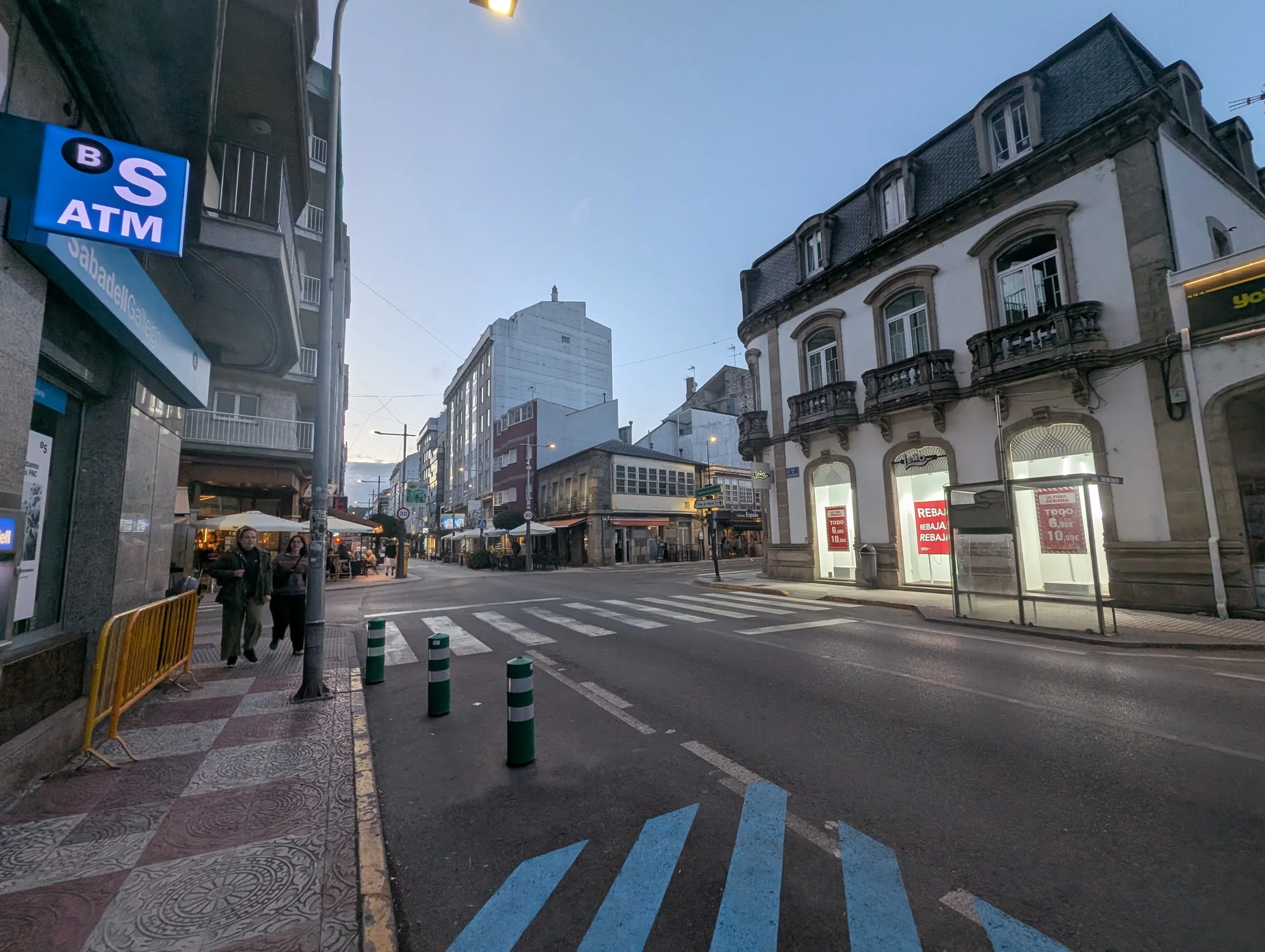
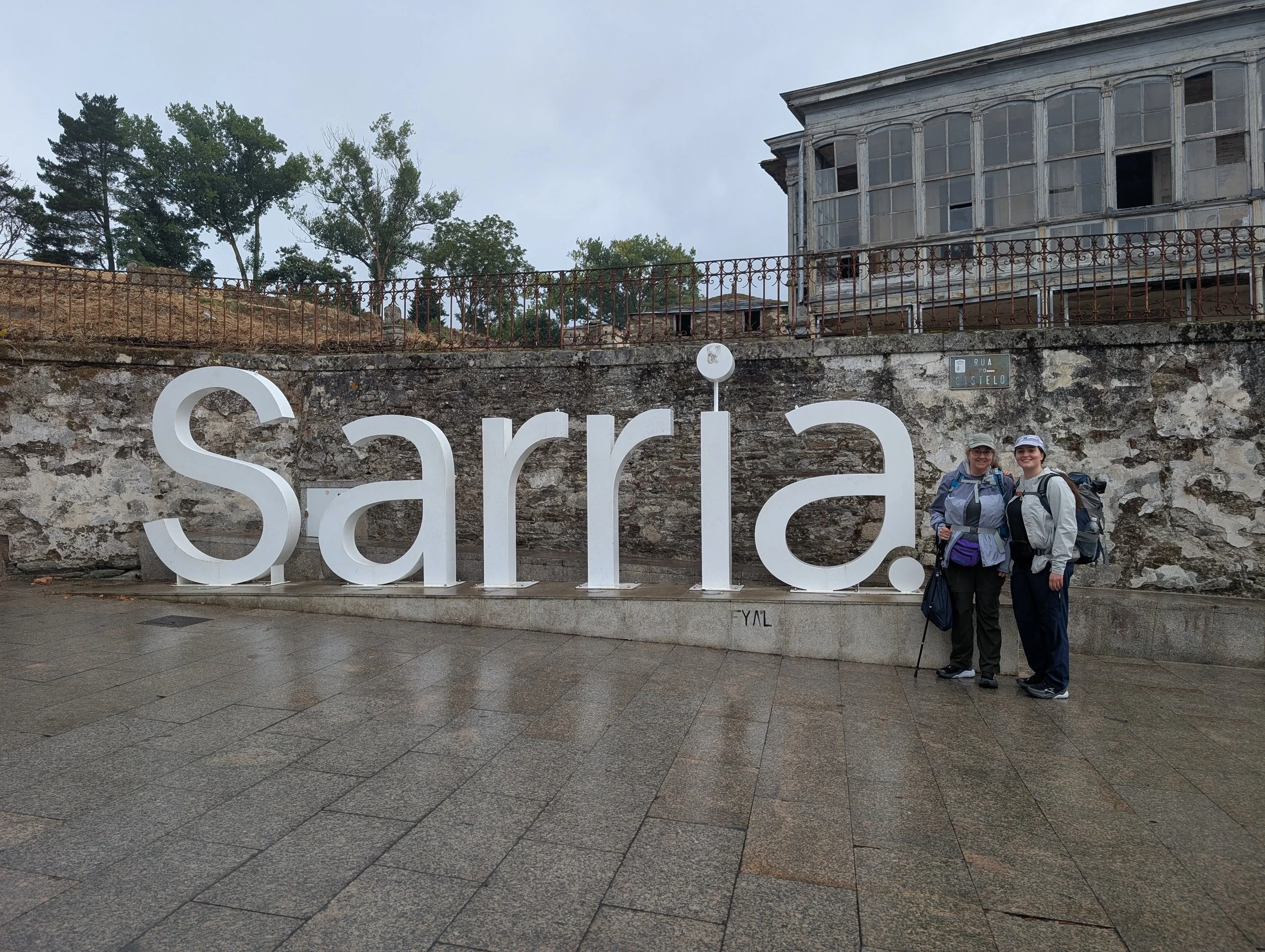
Day 0: Arrival in Sarria
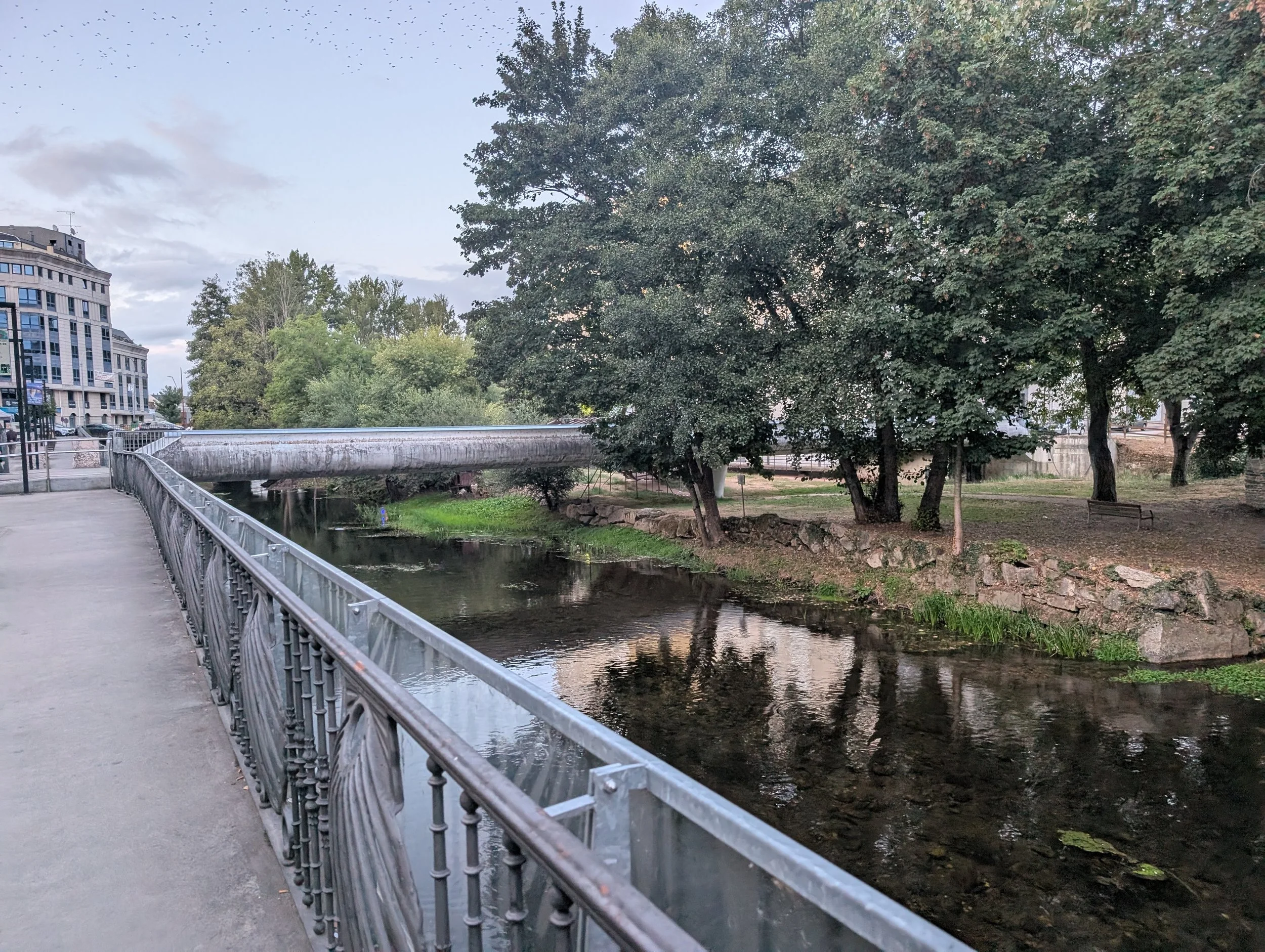
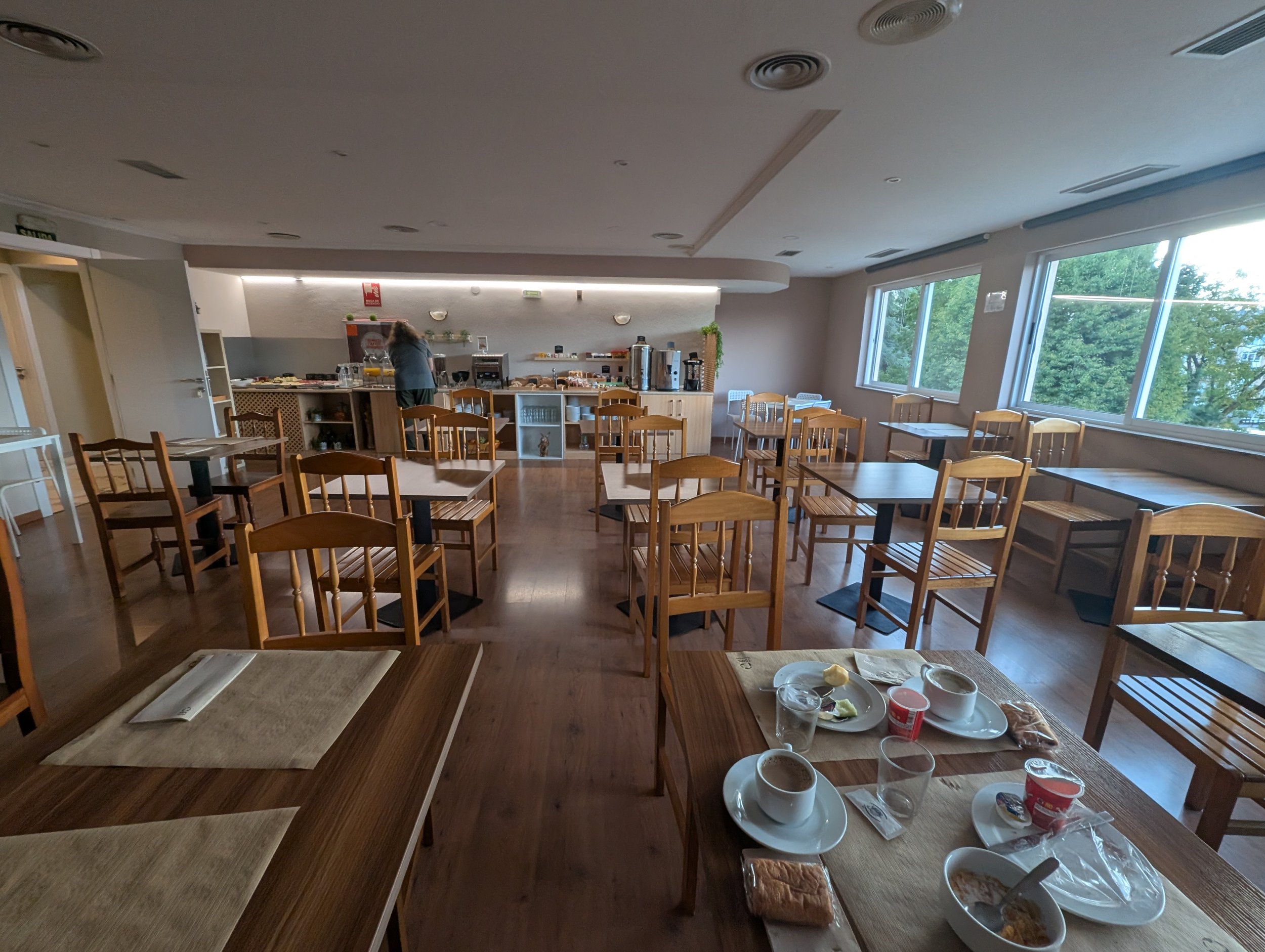
We arrived in Sarria and checked into Duerming Villa De Sarria Hotel, our home for the night before beginning the Camino. Our room had a beautiful view overlooking the town and was comfortable and quiet—exactly what we needed after a day of travel and before the long walk ahead.
That evening, we headed out for dinner at La Isla sarria , a cozy spot that turned out to be the perfect way to kick off the trip. The burgers were delicious, but the real standout was the grilled baby squid—something you absolutely have to try if you find yourself dining there.
Day 0 felt like a calm pause before the journey truly began. With our bags ready and nerves starting to settle, Sarria marked the official starting point of an adventure we had been anticipating for years.
Day 1: Sarria → Portomarín (22 km / 13.7 miles)
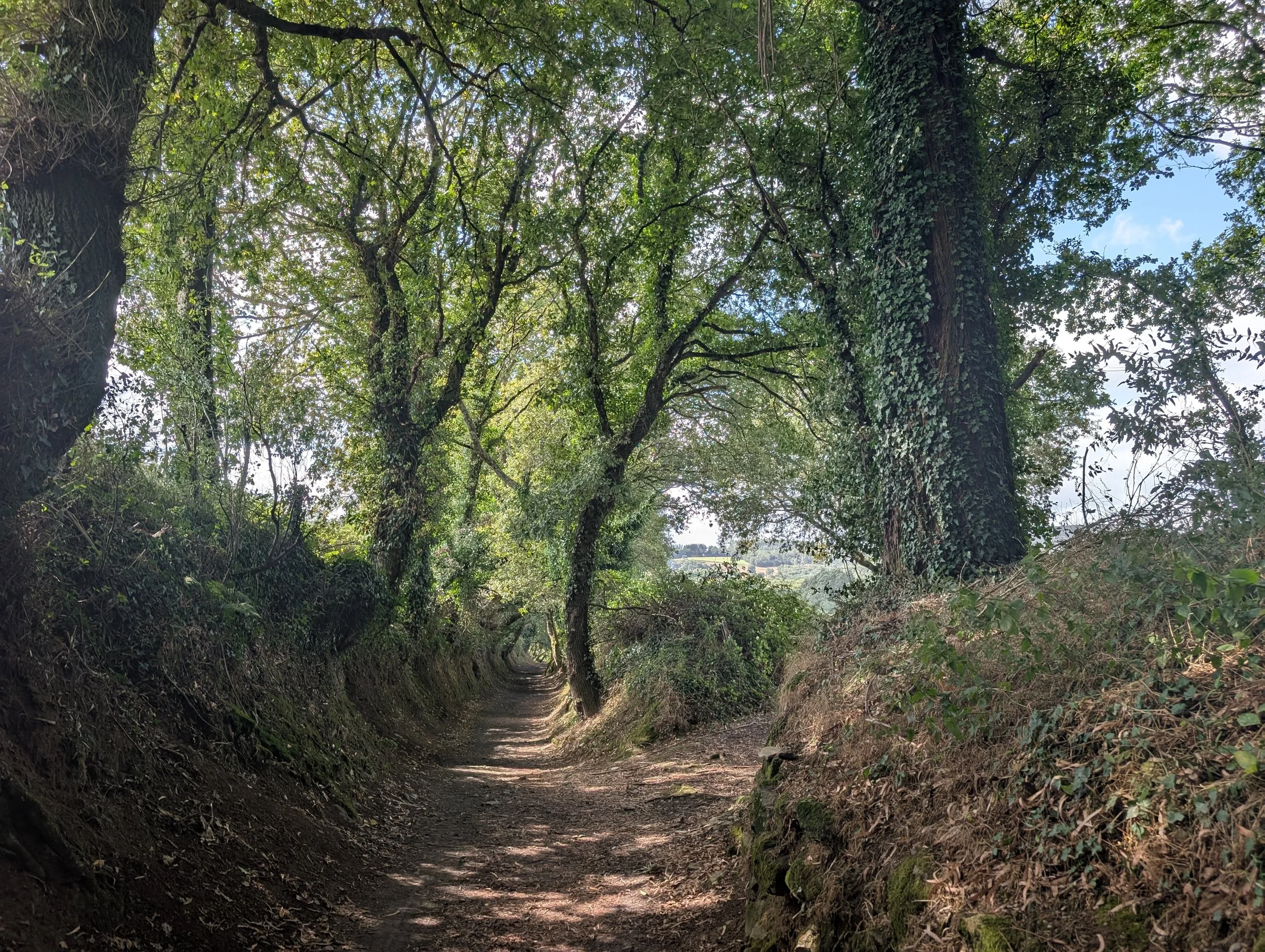
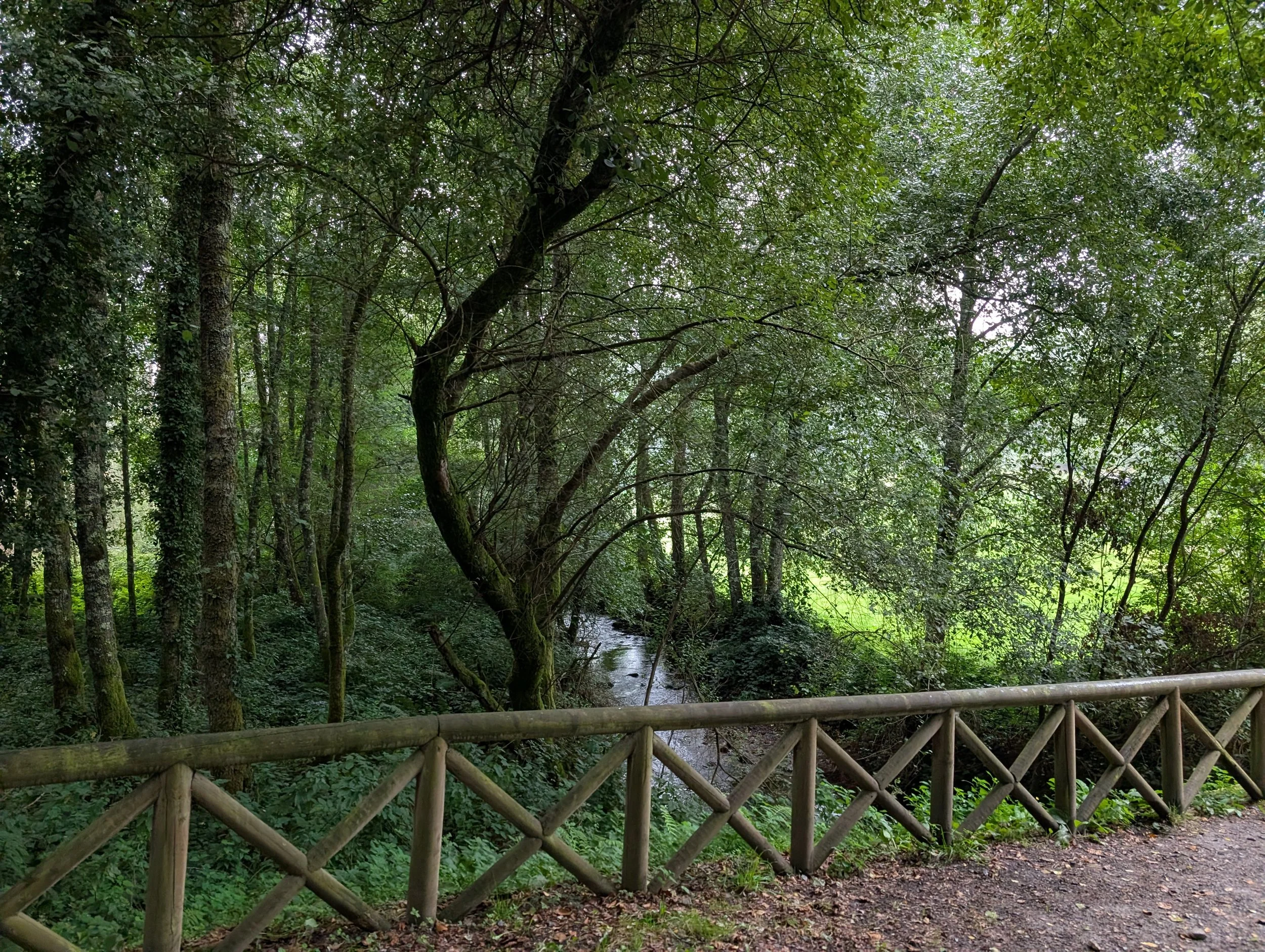
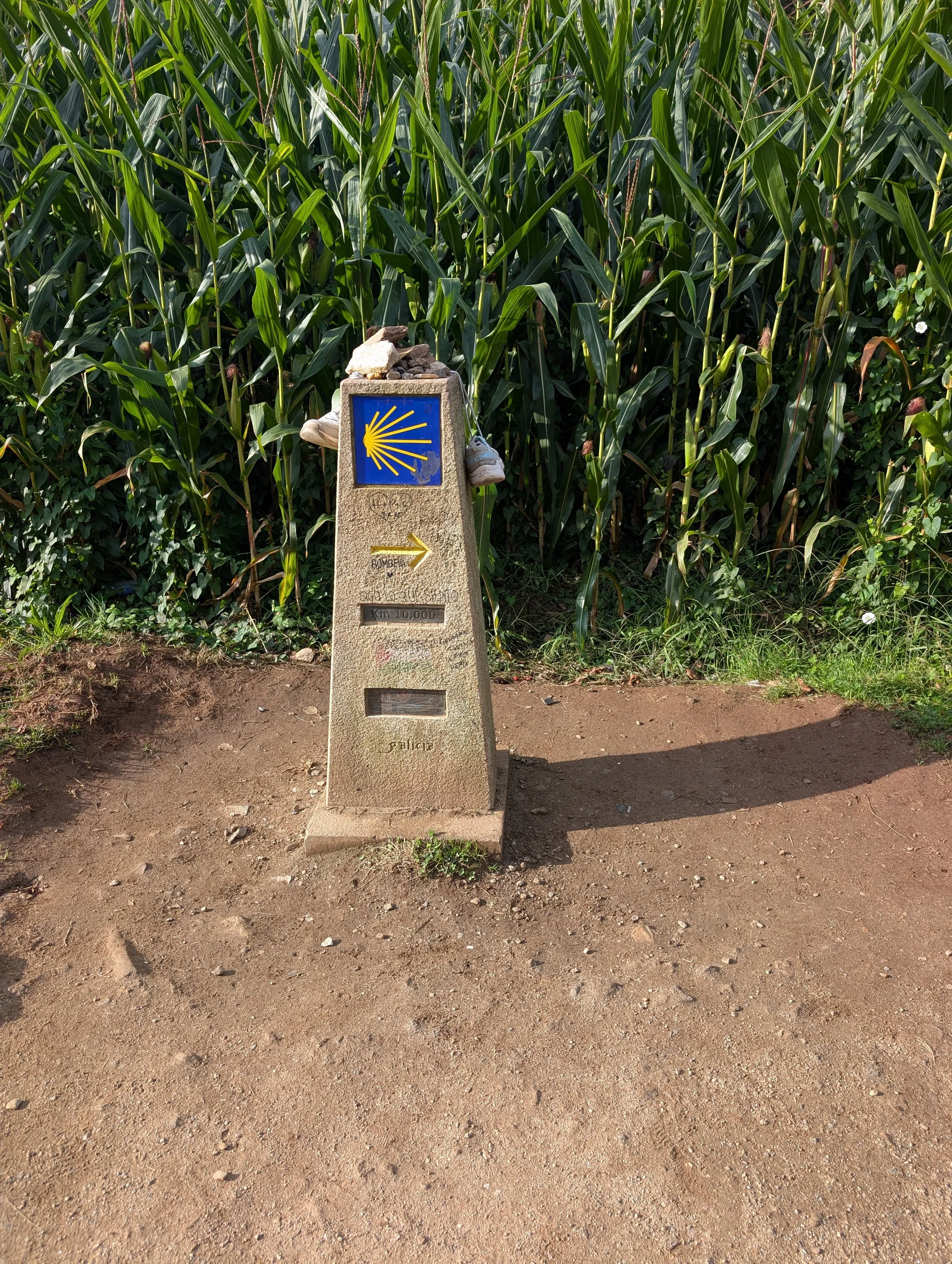
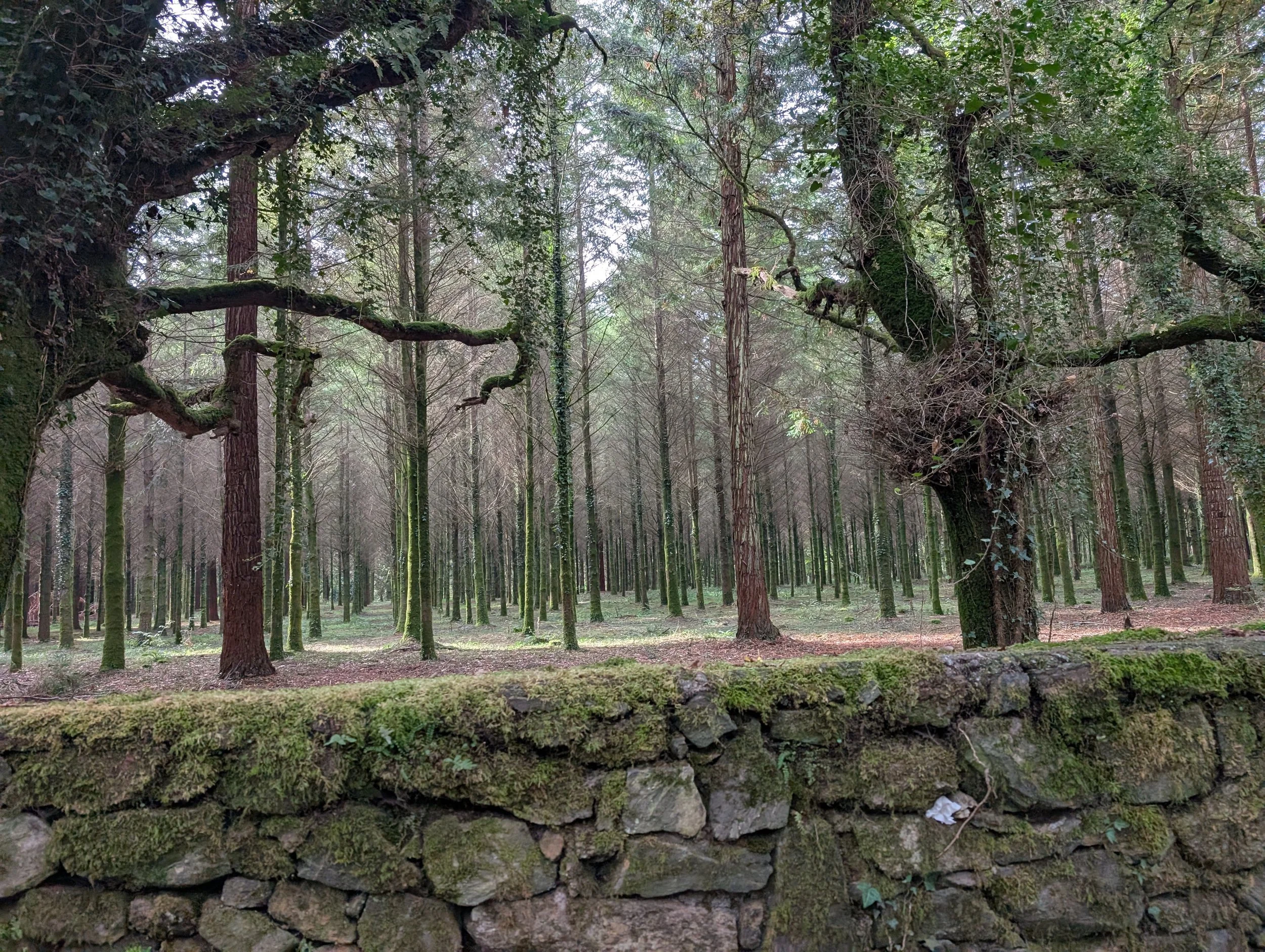
Our first official day on the Camino took us from Sarria to Portomarín, covering 22 kilometers (13.7 miles). The route led us through cornfields, shaded hiking paths, and a series of rolling hills that made the day feel both peaceful and physically demanding.
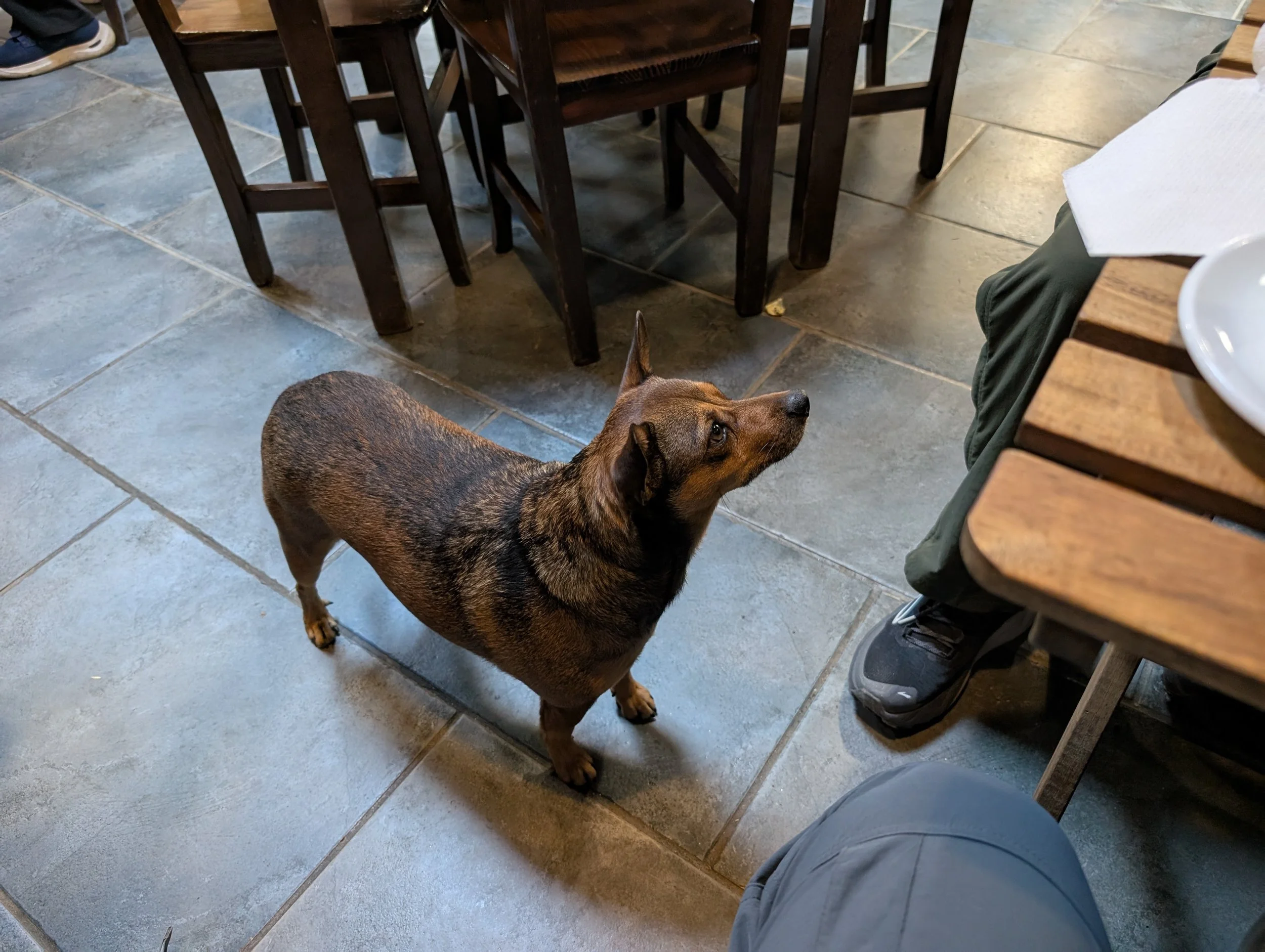
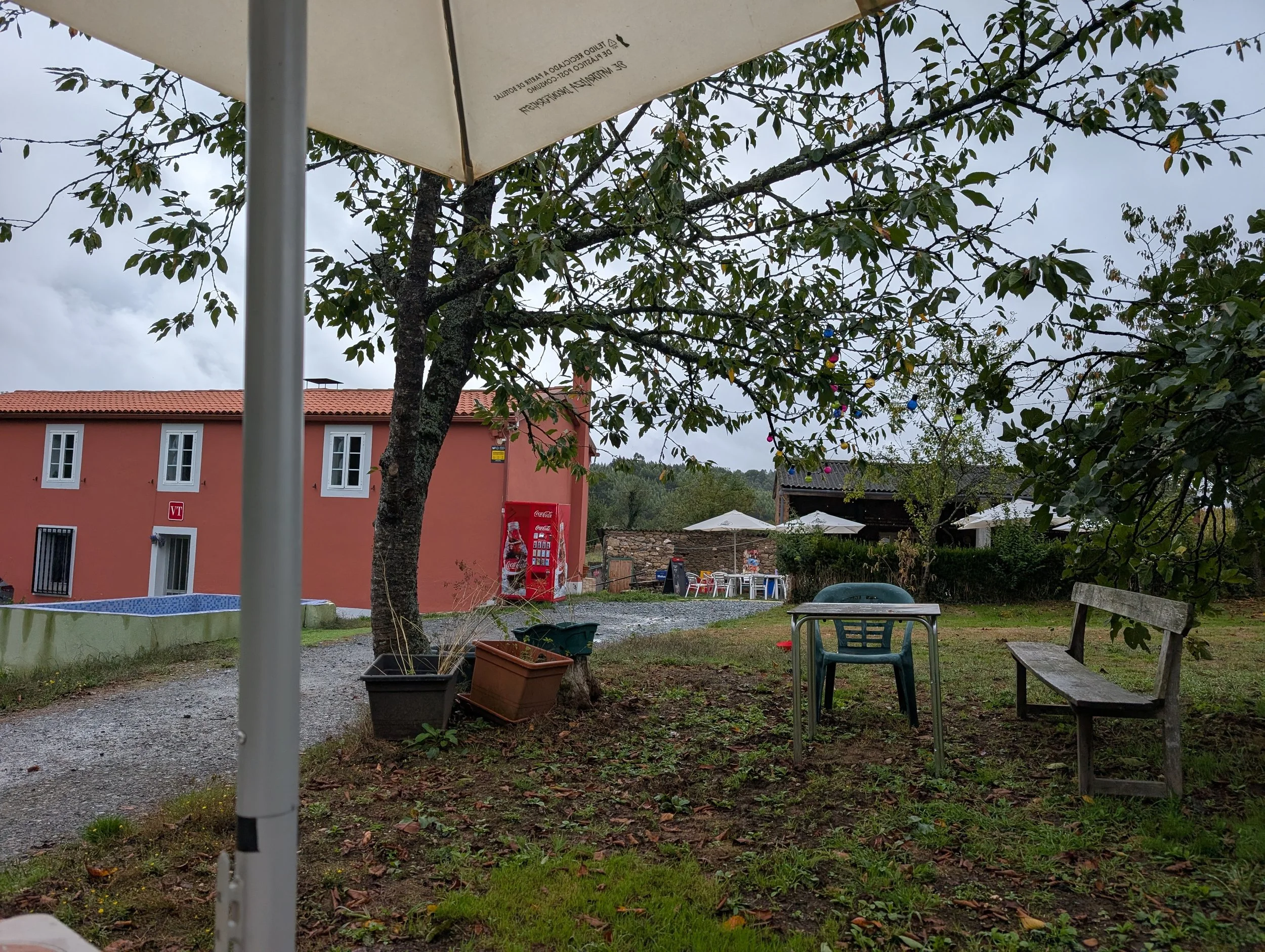
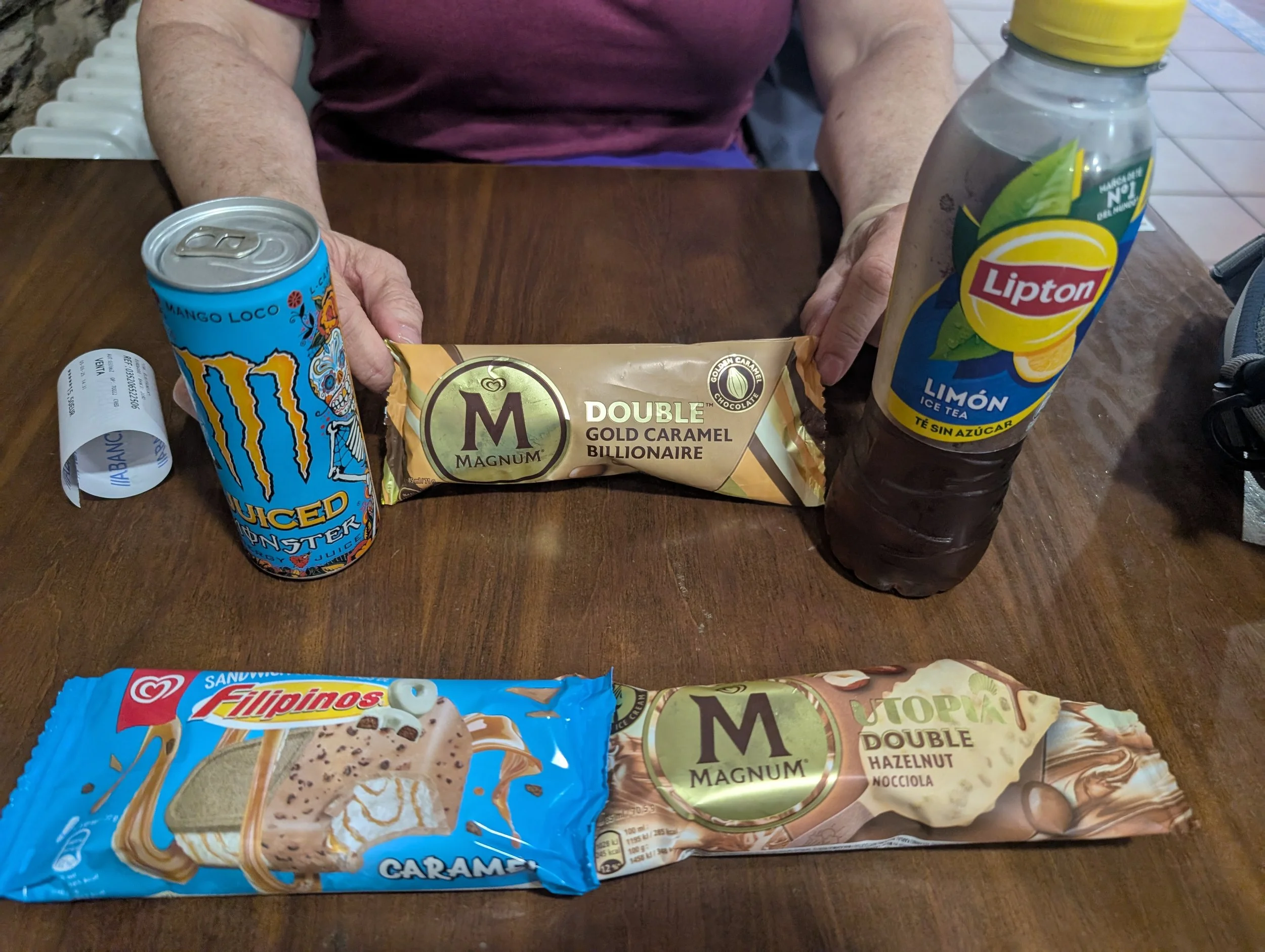
Along the way, we were grateful to find vending machines scattered throughout the route—a small but welcome convenience on a long first day. The Camino has a way of providing what you need just when you need it, and this felt like our first introduction to that rhythm.
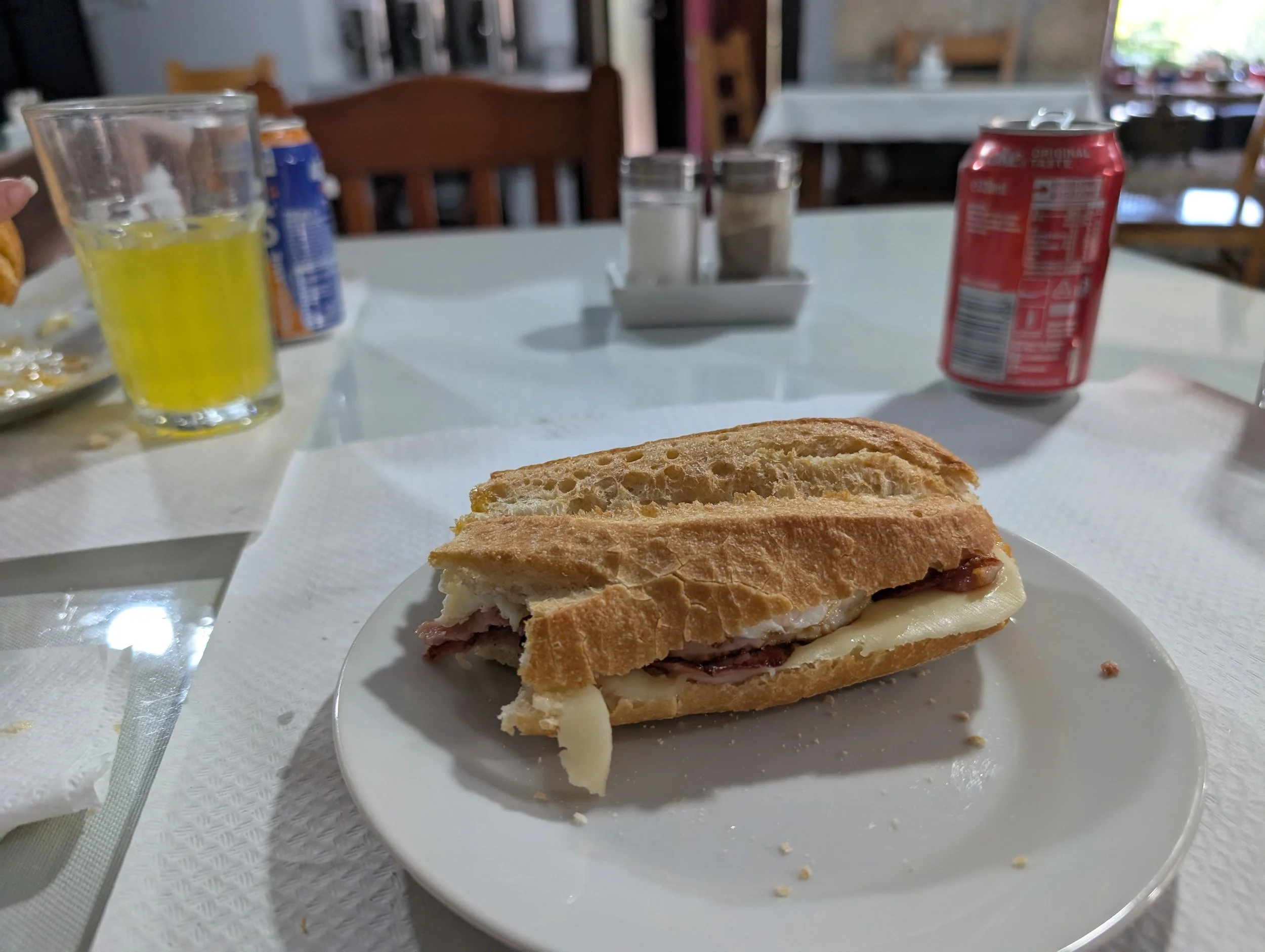
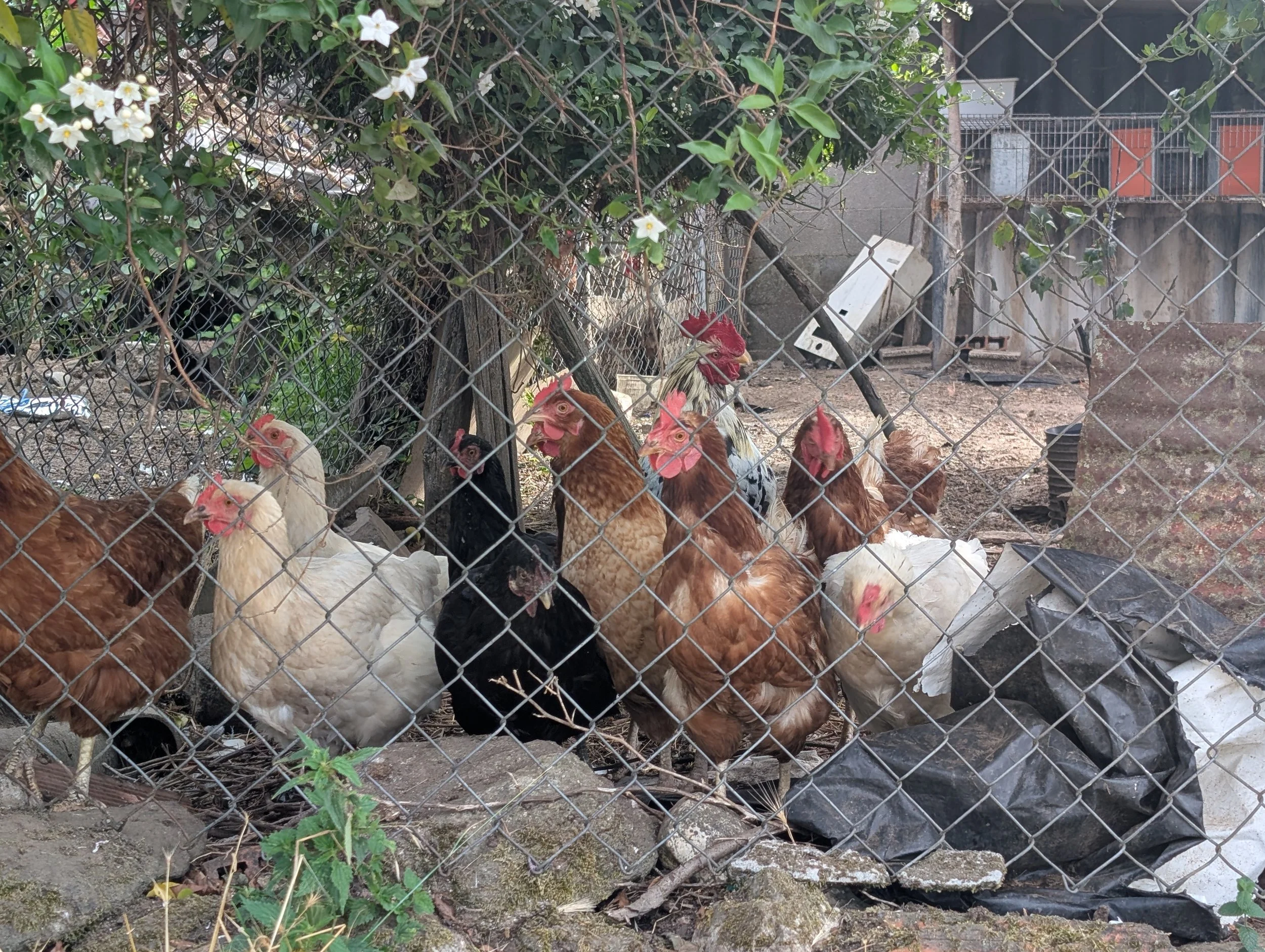
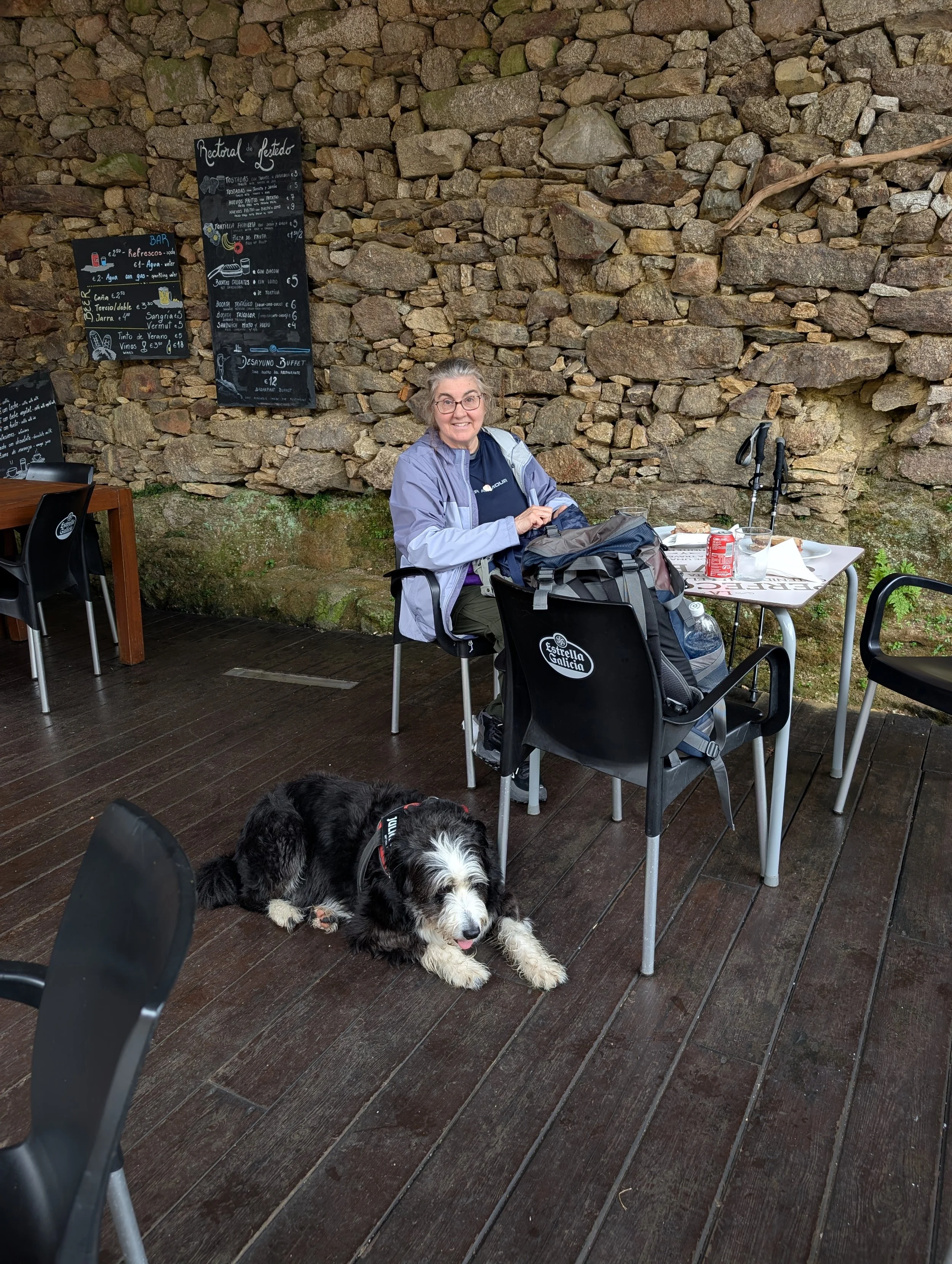
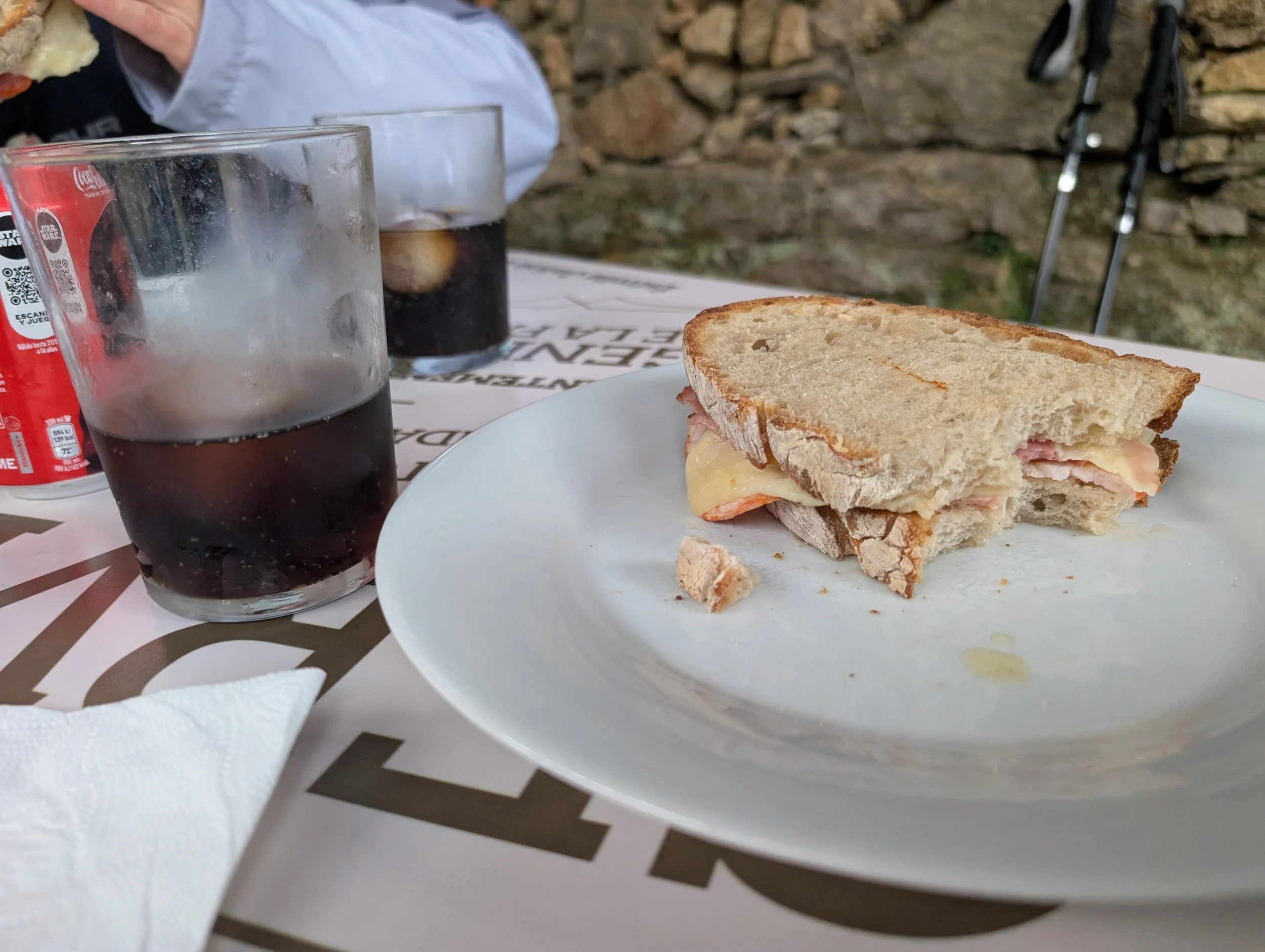
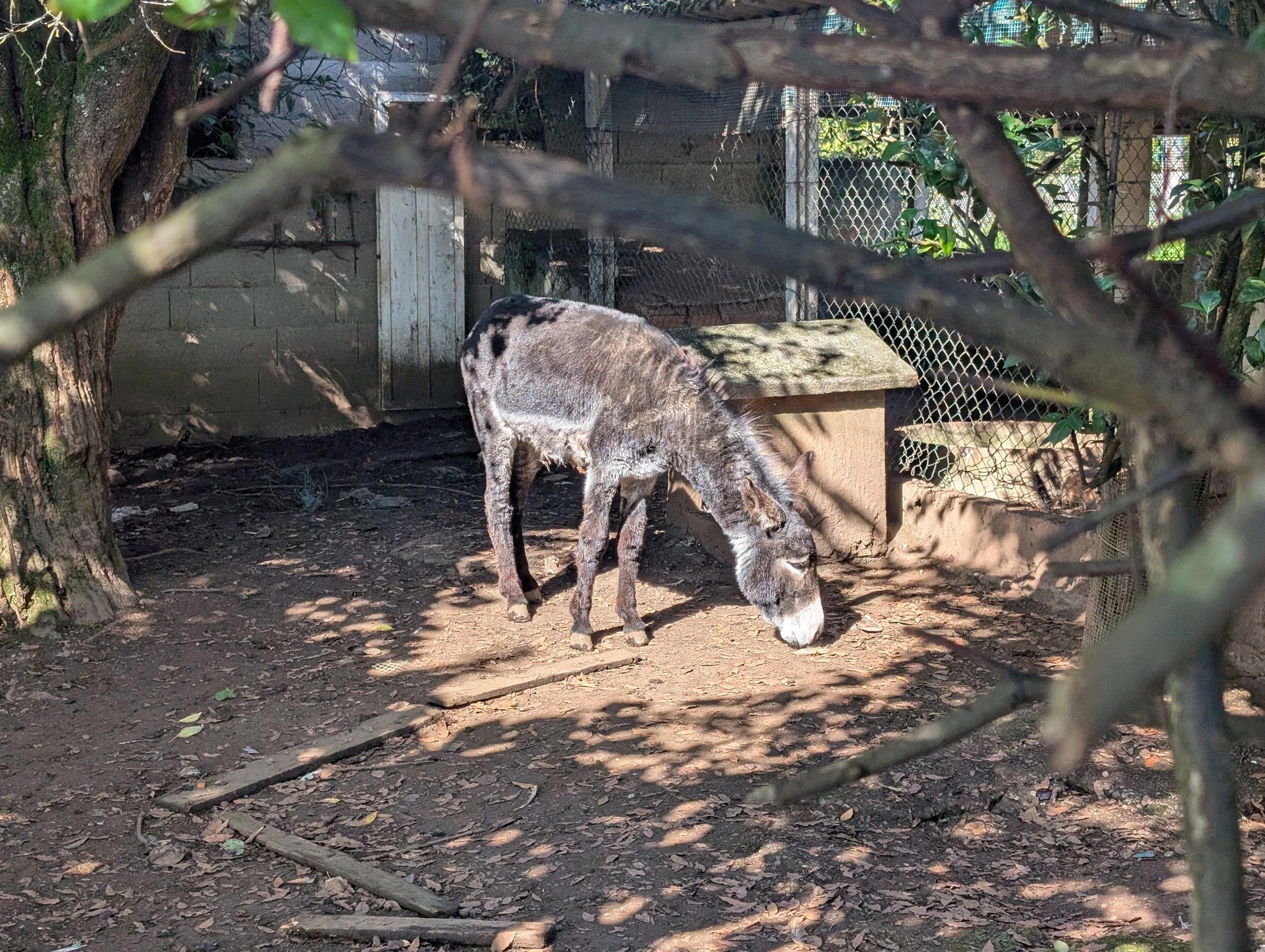
We also passed a variety of farm animals along the trail and stopped for lunch at a wonderful café serving massive sandwiches. The sandwich pictured below is actually only half eaten—proof of just how generous the portions were.
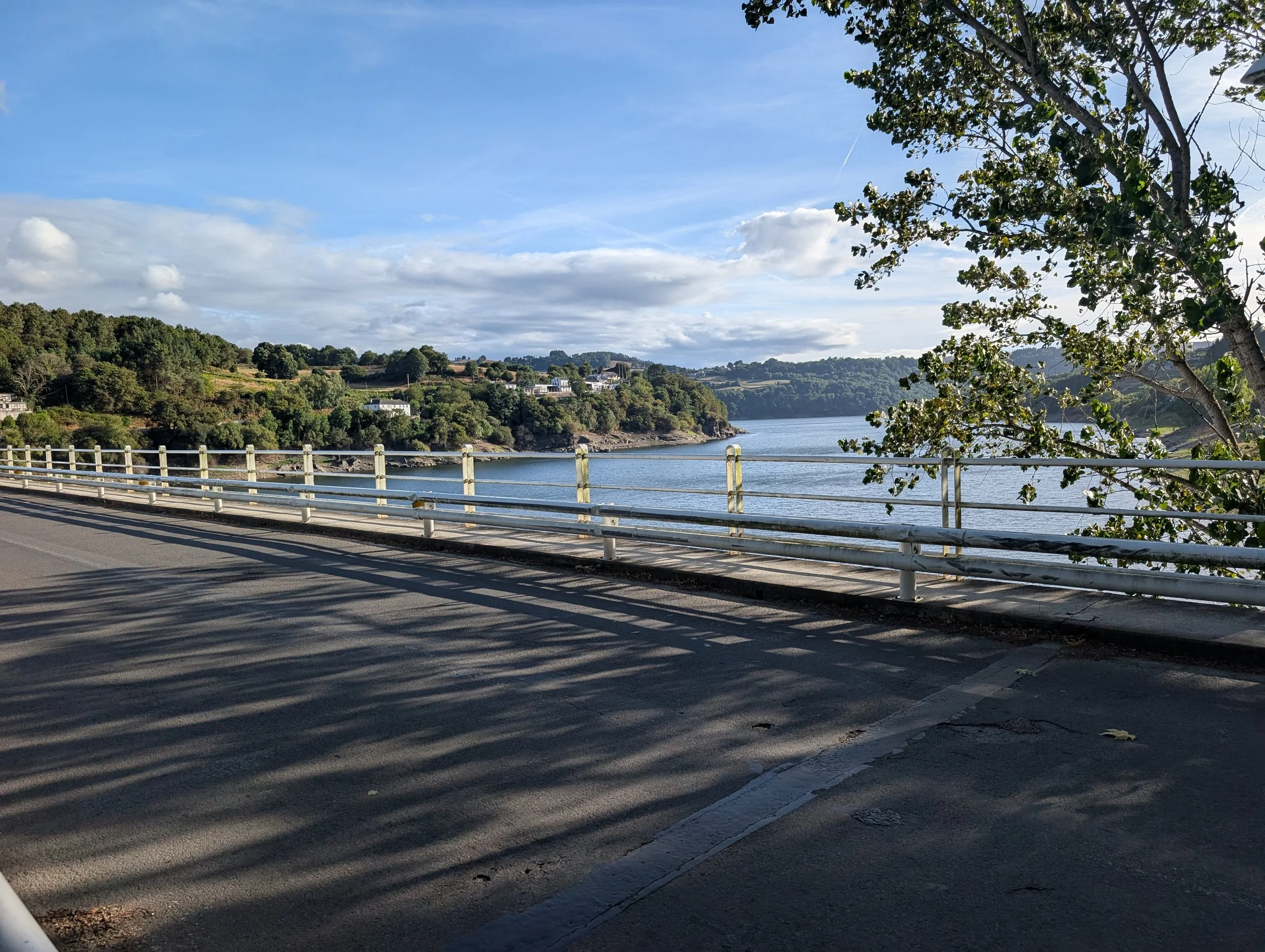
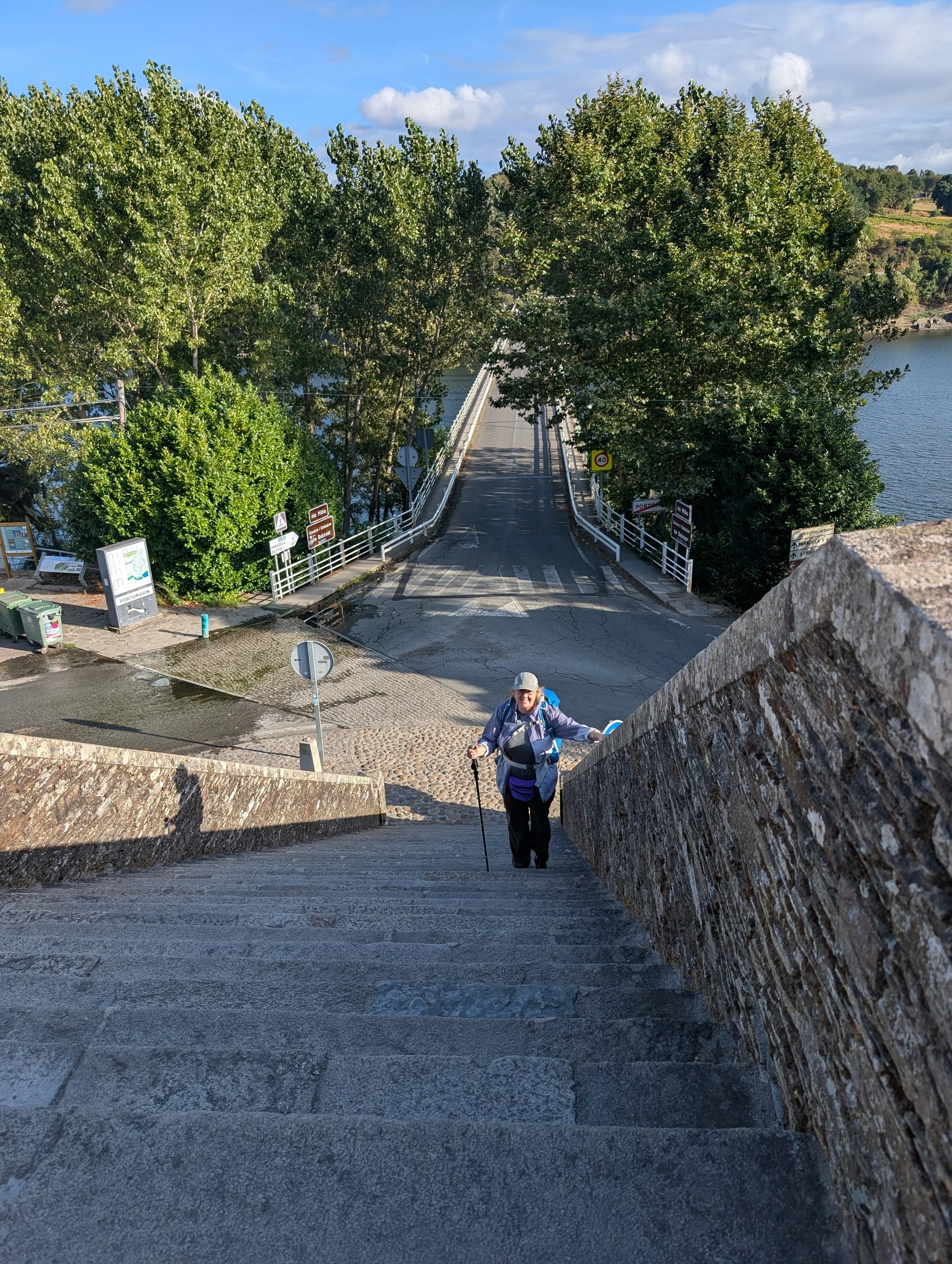
The final stretch into Portomarín was unforgettable. Crossing the bridge into town was slightly nerve-wracking, but the view made it worth it. Looking out over the water and the town beyond felt like a quiet reward for completing our first day on the trail.
That evening, we checked into PortoHouse, which turned out to be a private apartment rather than a traditional hotel. While it was a bit pricey, it was easily one of the best places we stayed along the Camino. The space included a small kitchen and a separate living area where we could relax and watch TV, along with access to a yard where we enjoyed the fresh evening breeze. Tucked into the corner of the yard was a small shack with a full-size washer and dryer—an unexpected luxury after our first long day of walking.
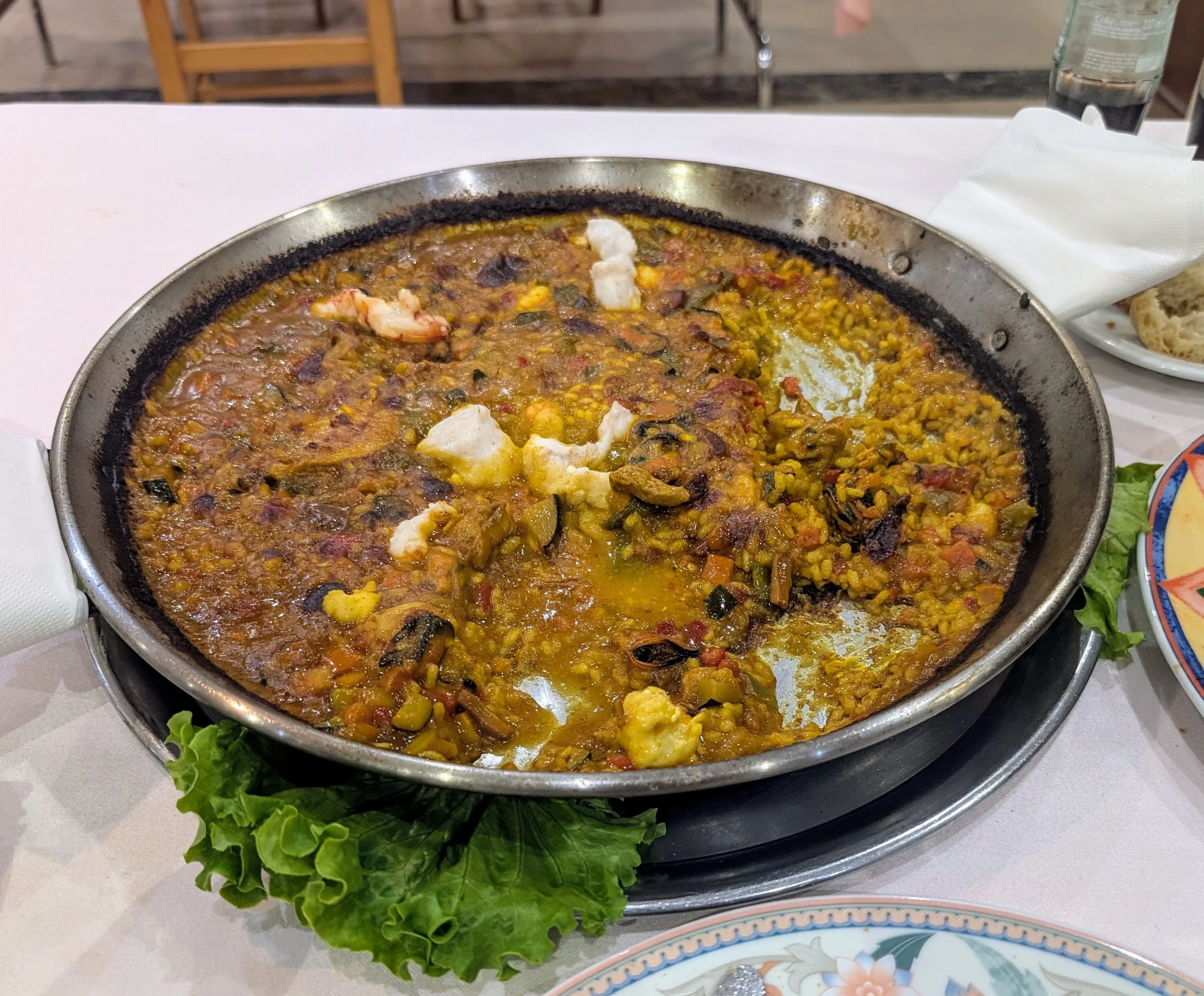
For dinner, we ate at Pousada De Portomarin, which is actually a hotel as well. We weren’t able to book a room there in time, but if you get the chance, it’s absolutely worth a visit. The dining area was beautiful, and the seafood paella was hands down the best meal we had in Spain.
Day 1 left us tired but deeply content. It was the perfect introduction to the Camino—challenging, rewarding, and already filled with moments we knew we would remember.
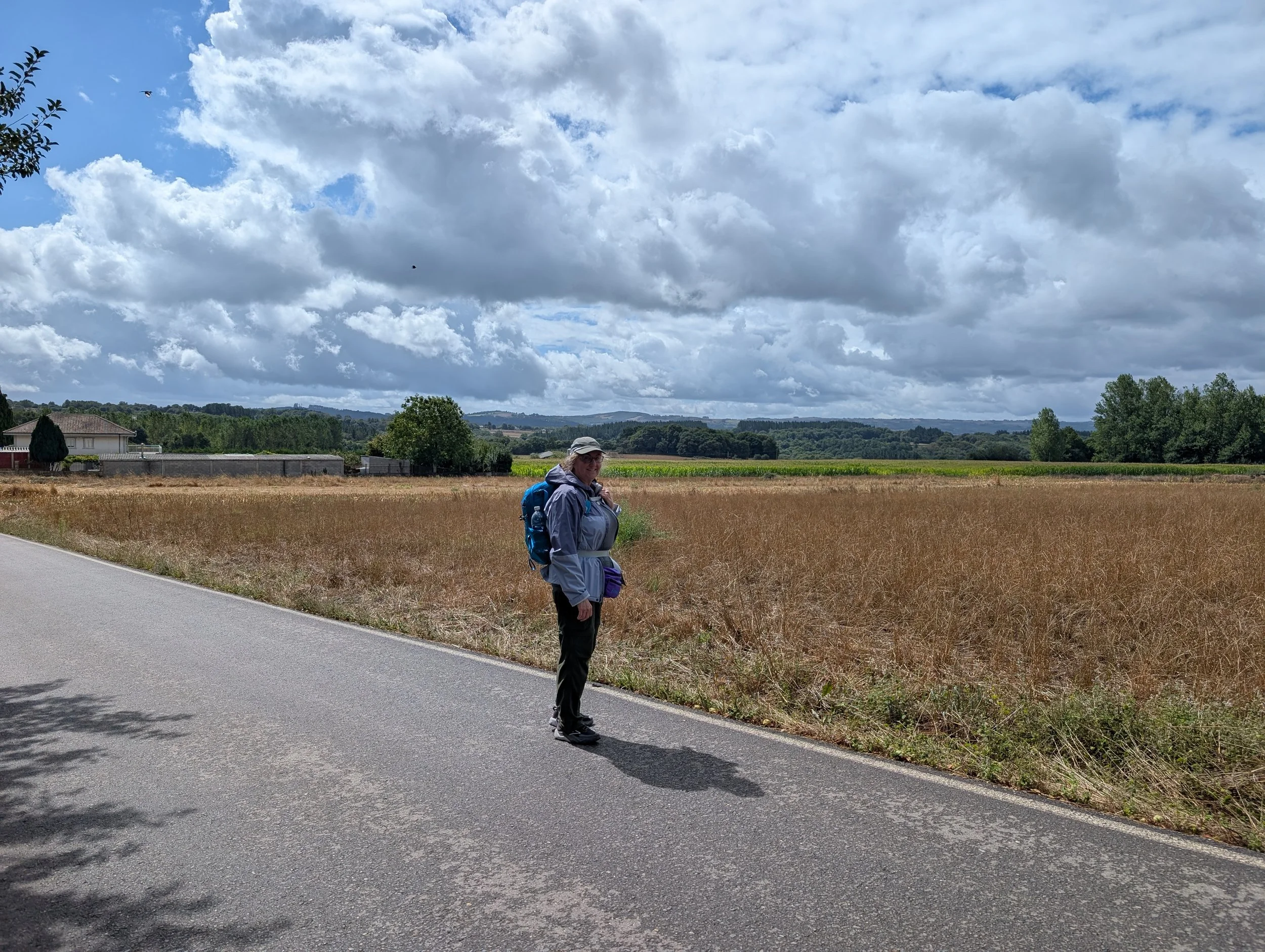
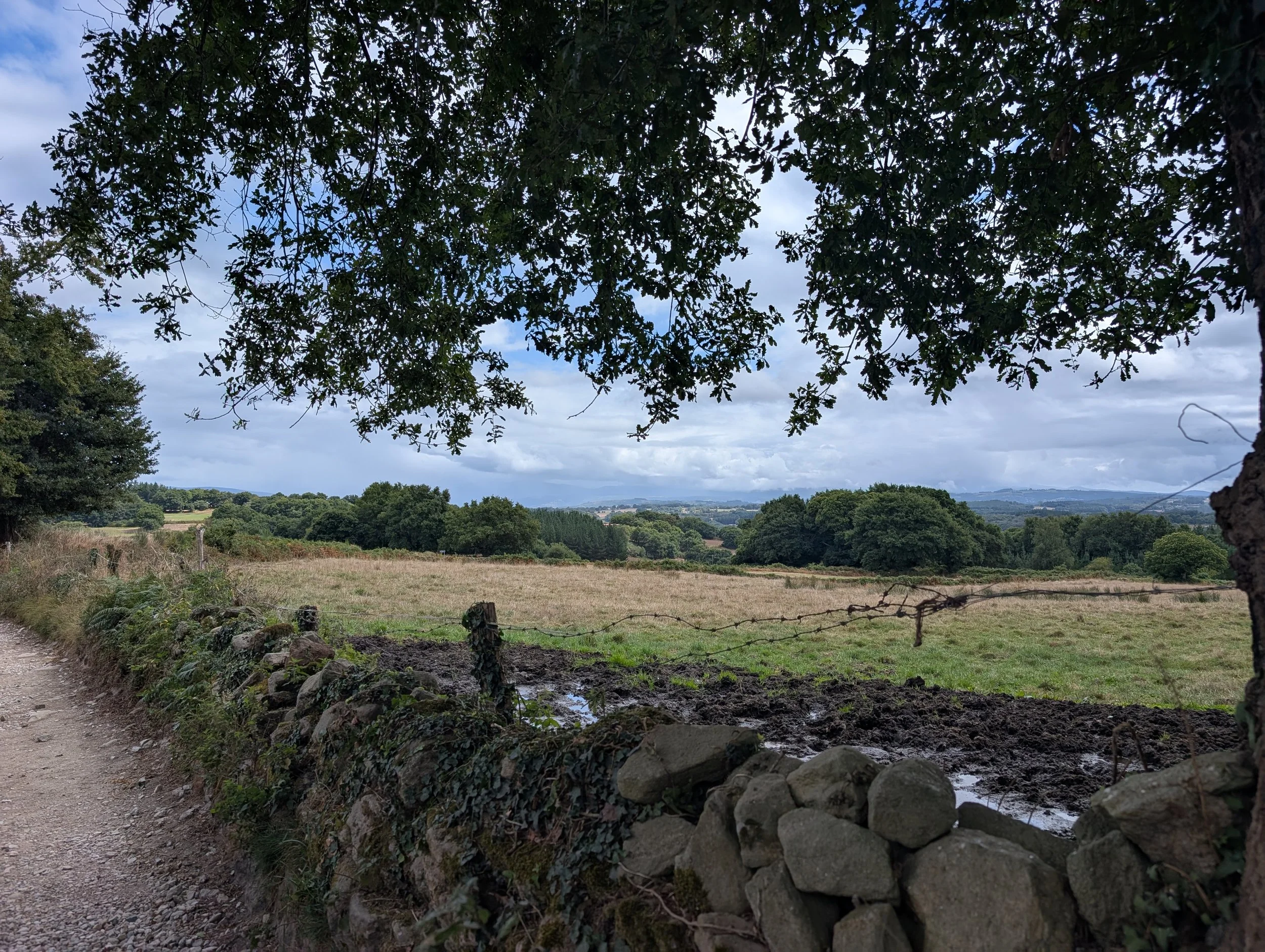
Day 2: Portomarín → Castromaior (11 km / 6.8 miles)
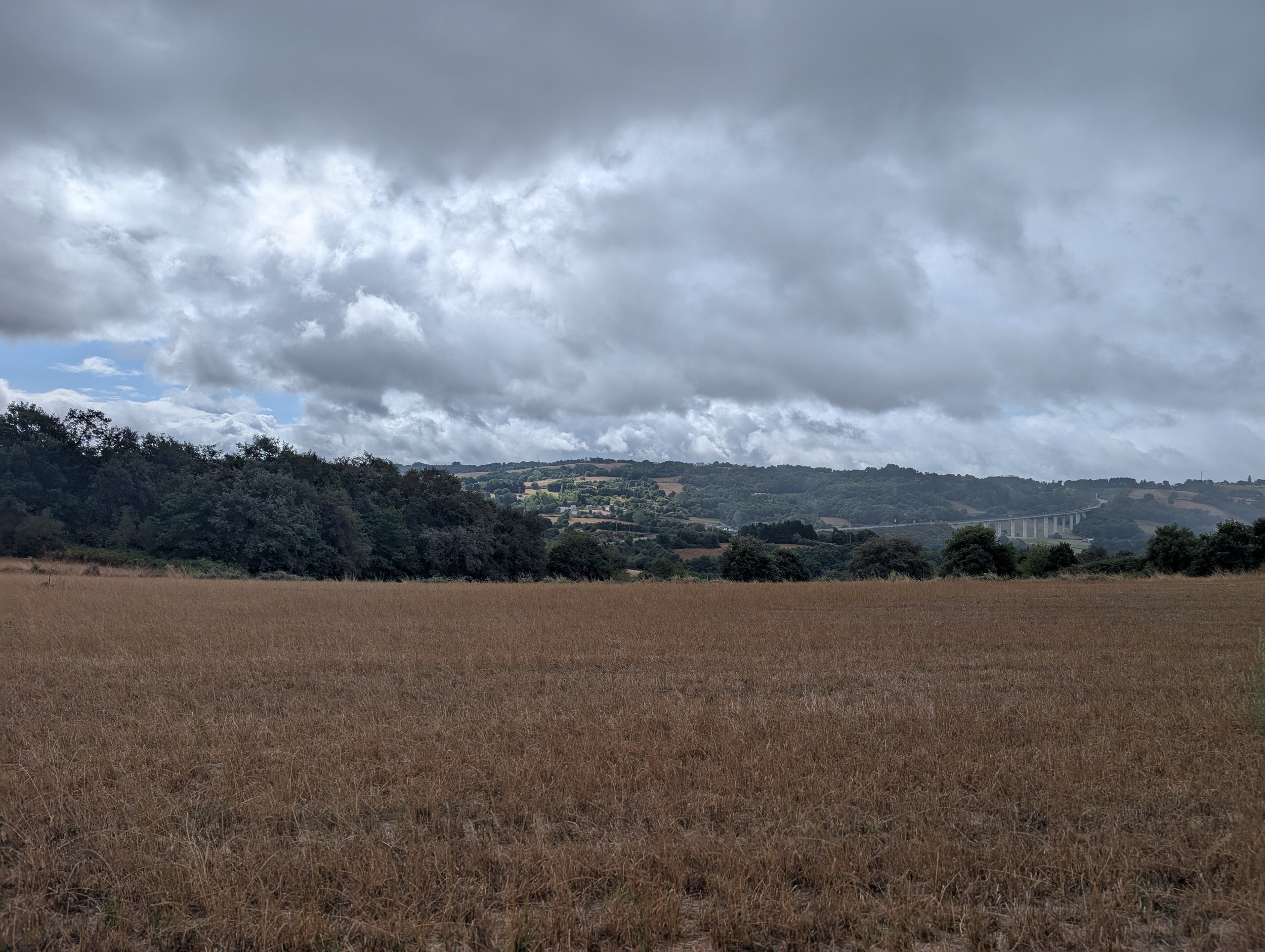
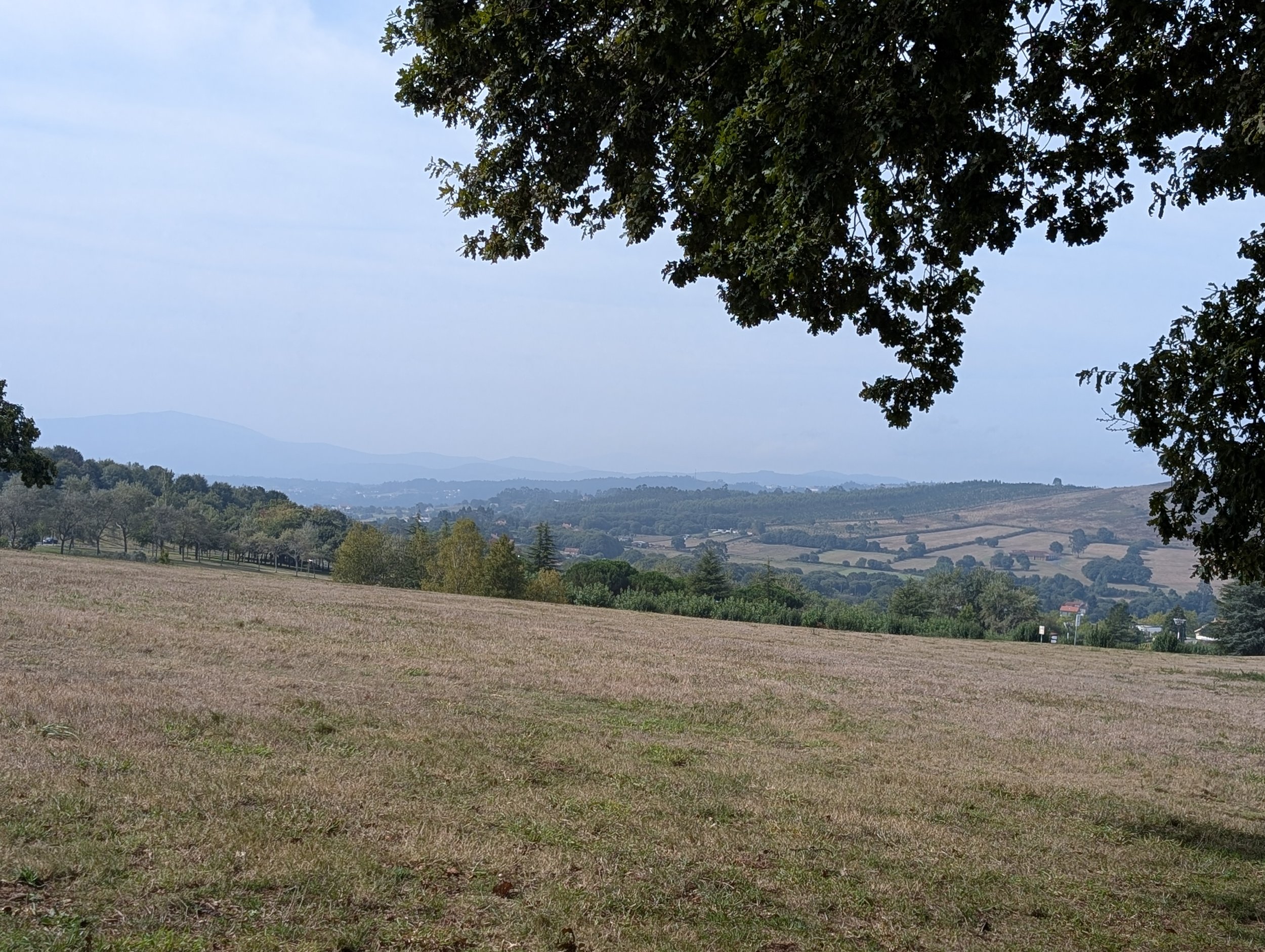
Day 2 took us from Portomarín toward the Lugo area, covering a relatively short distance of 11 kilometers (6.8 miles). While the mileage was lighter, the day began with a steep hill climb right out of town that took quite a bit of time and energy. It was exhausting, but the view from the top made the effort well worth it.
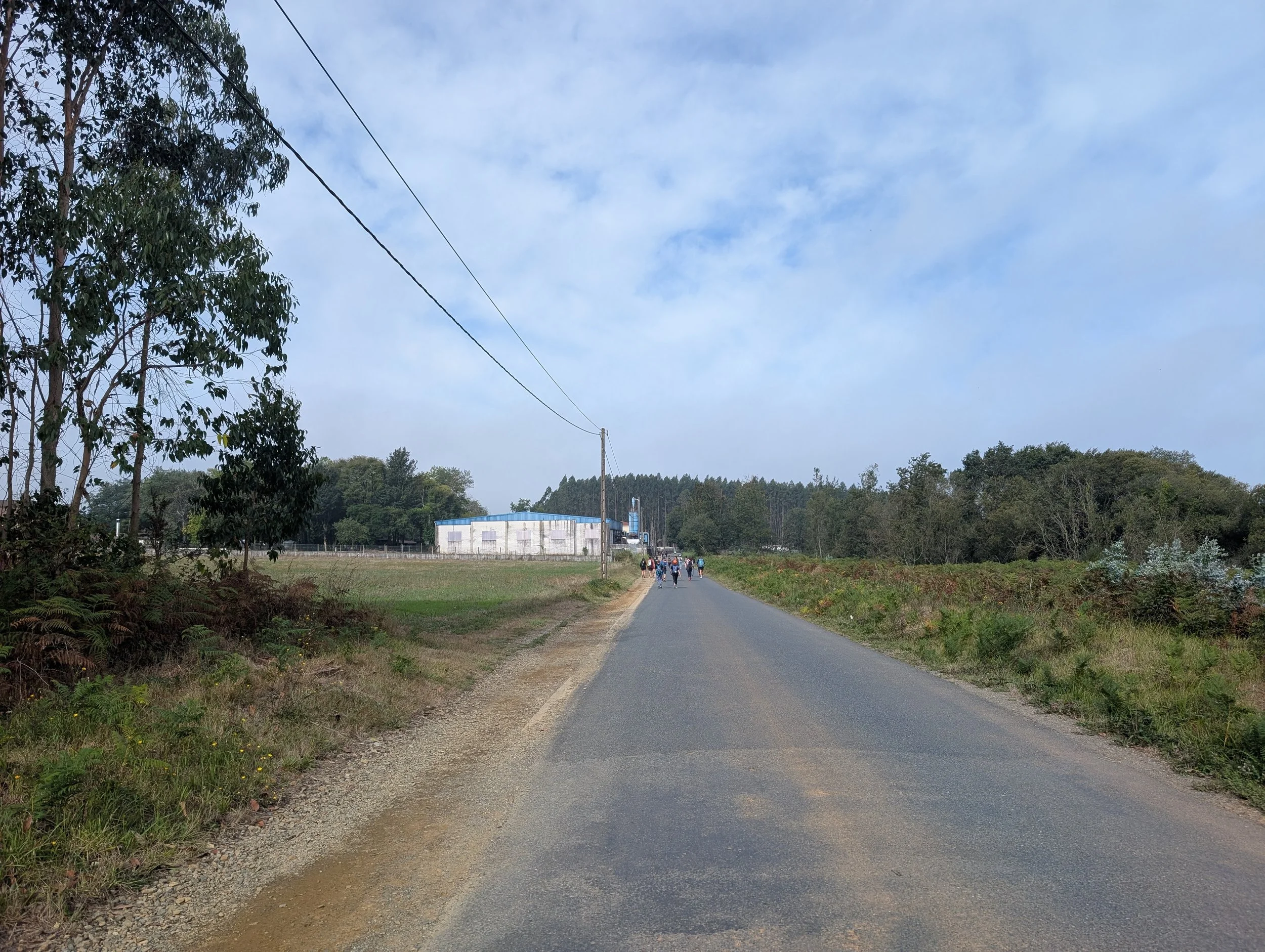
Along the route, we passed one of the Camino stamp stations where pilgrims can purchase a wax stamp with a small charm for about one euro. We didn’t end up getting one, but it was a fun and unique stop along the way. Later in the walk, the path followed the road for a stretch, passing a few factories before reaching our destination.
Despite the shorter distance, the day felt like a good reminder that the Camino isn’t always about miles—it’s about the terrain, pacing, and listening to your body.
Camino Tip: Backpack Transfer Service
From this point on, my mother chose to have her backpack sent ahead each day. Many hotels offer a simple backpack transfer service, usually coordinated through a paper form near the front desk. You list both the current hotel and your next destination, place €4 in the envelope, attach it to your backpack, and it will be picked up and delivered to your next stop. It made a huge difference for her comfort and energy levels.
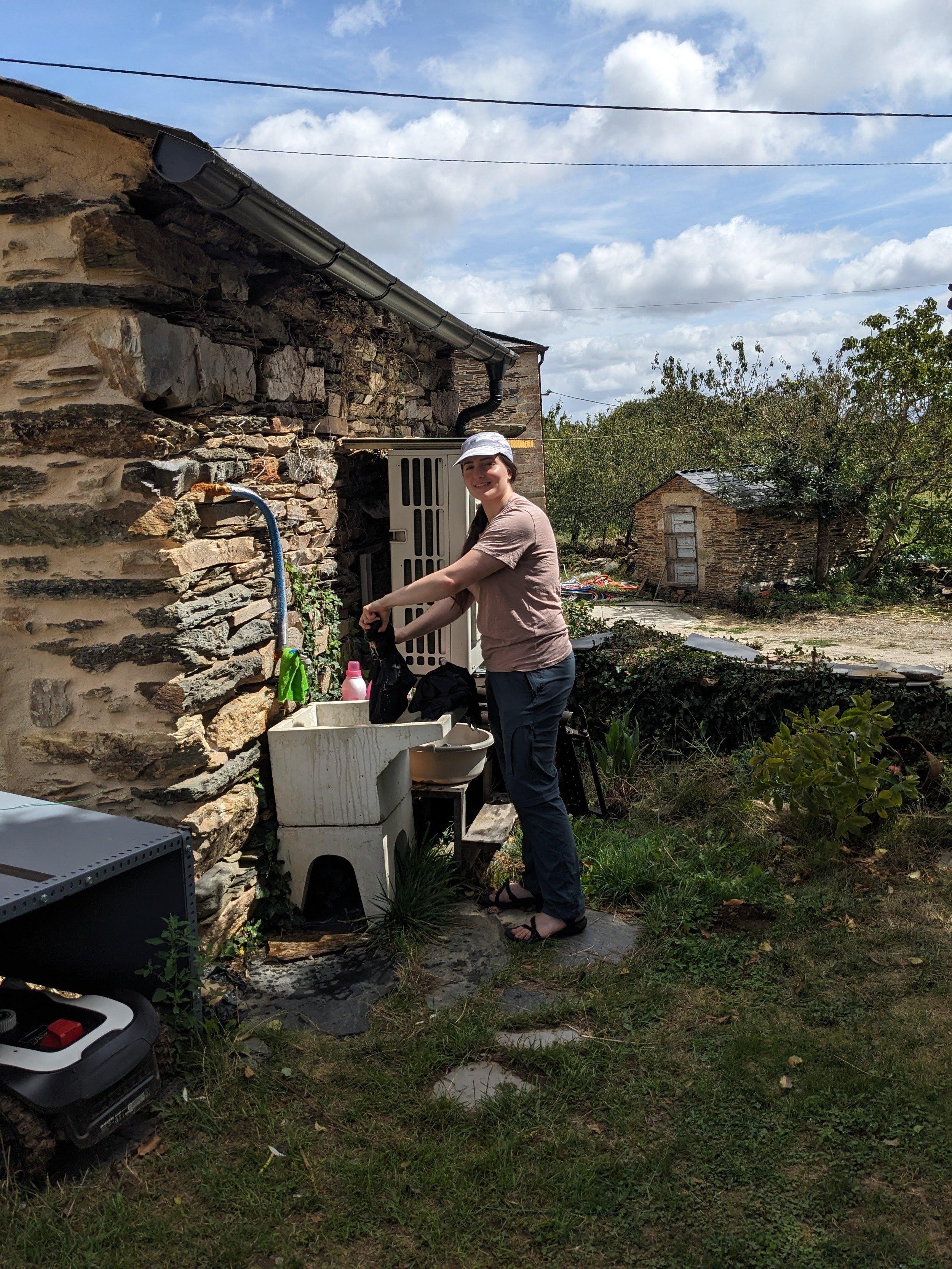
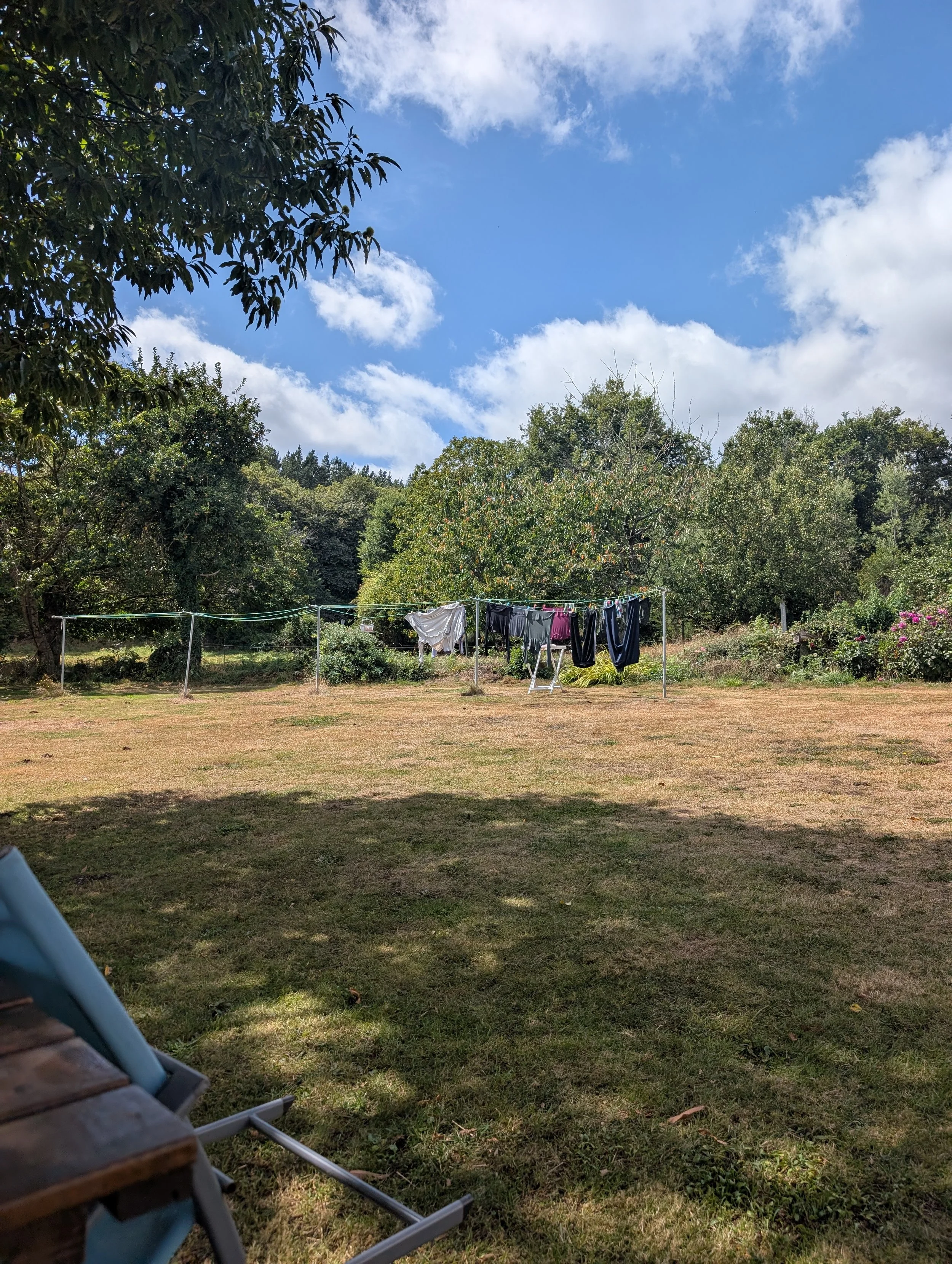
That evening, we stayed at Casa Perdigueira, a beautiful home located in a small, quiet town. The room was cozy, and the backyard was a perfect place to relax after the walk. We were also able to wash our clothes at the outdoor sink and hang them on the clothesline to dry in the sun—one of those simple Camino moments that felt especially satisfying.
For dinner, we ate at Bar O'Castro. Despite being a small café in a small town, the pizza was a surprisingly great choice to end the day. It may have been frozen, but it was full of flavor—and good enough that we came back again the next morning for breakfast.
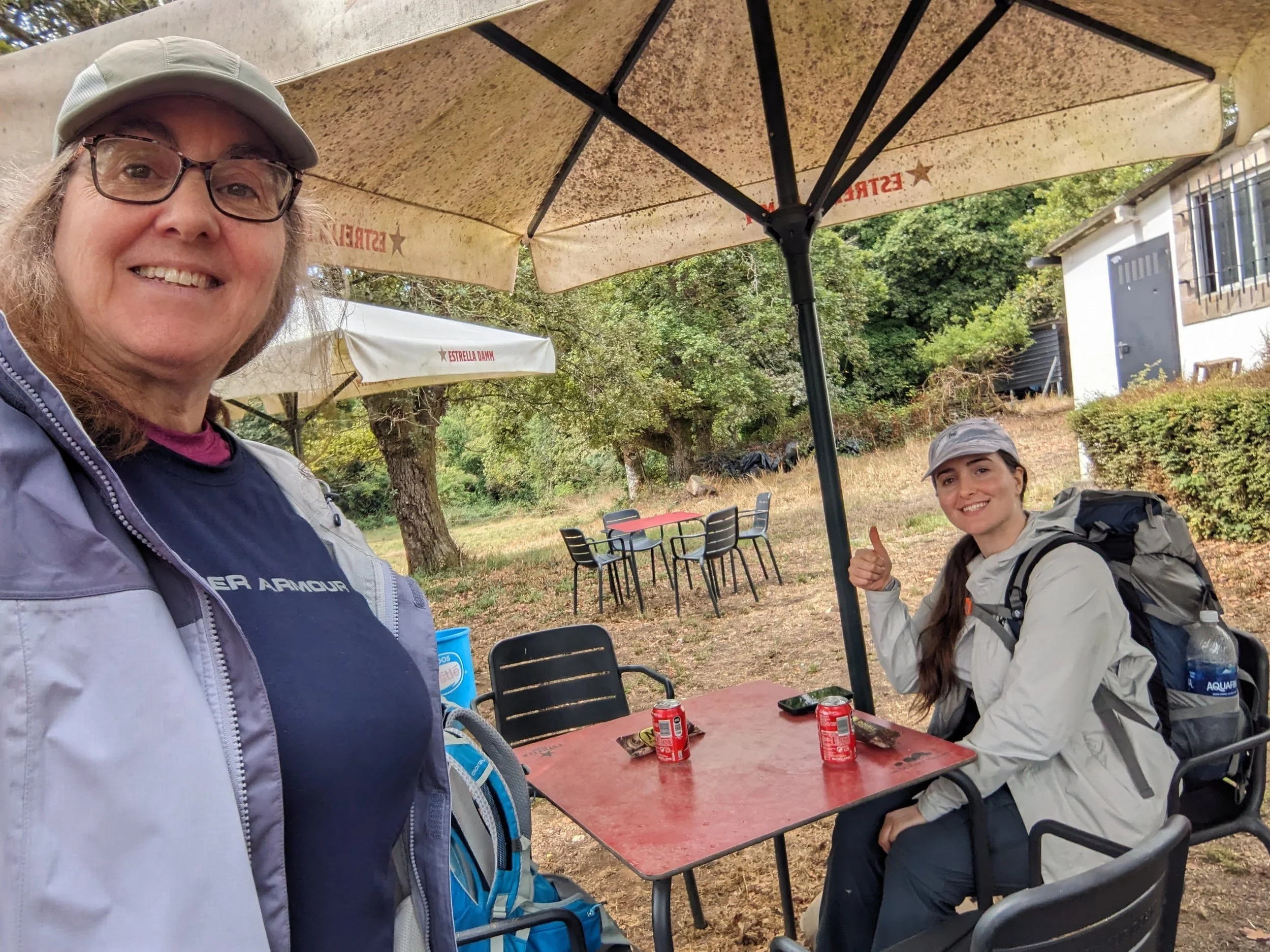
Day 3: Lugo → Palas del Rei (27 km / 16.8 miles)
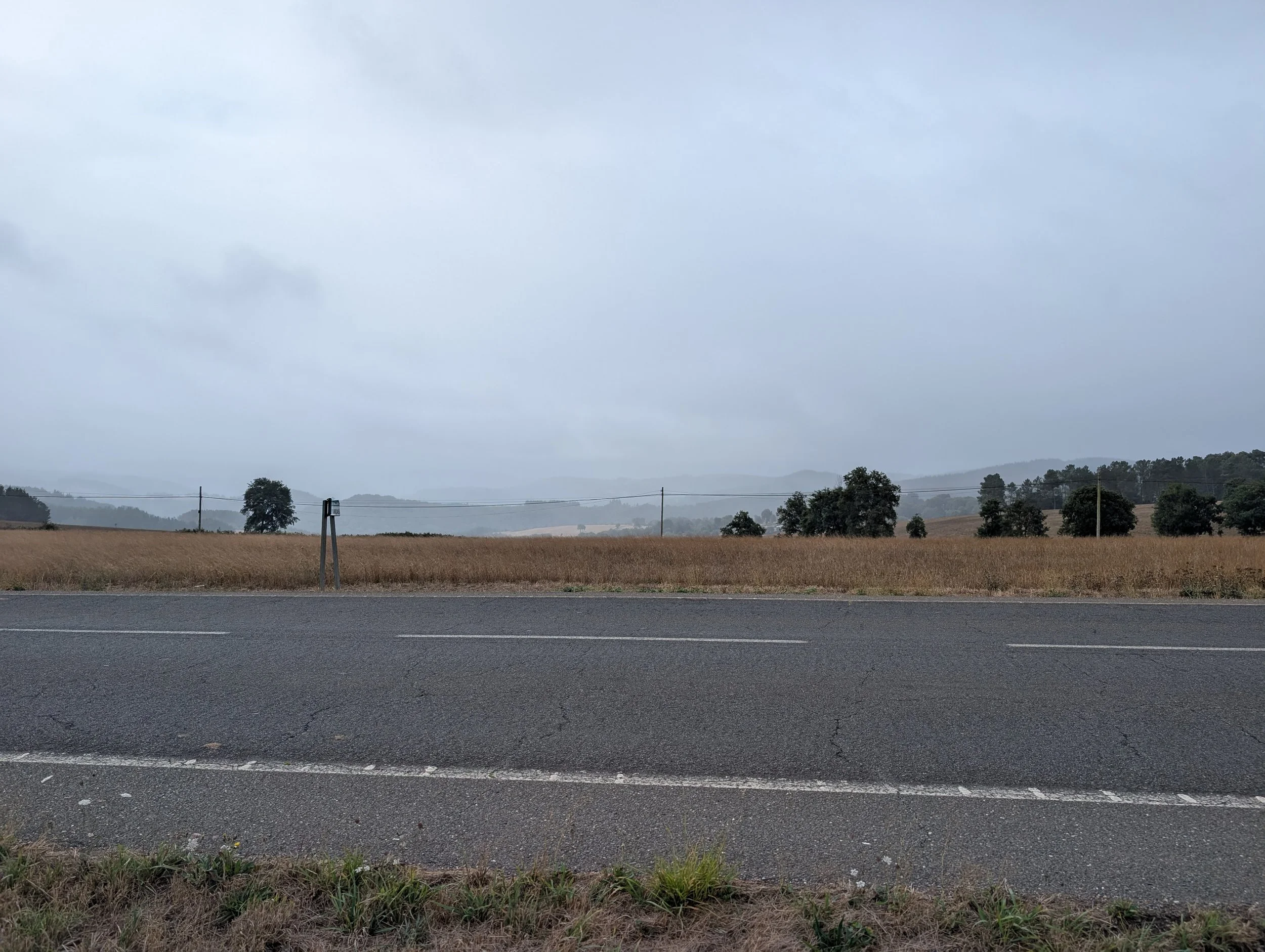
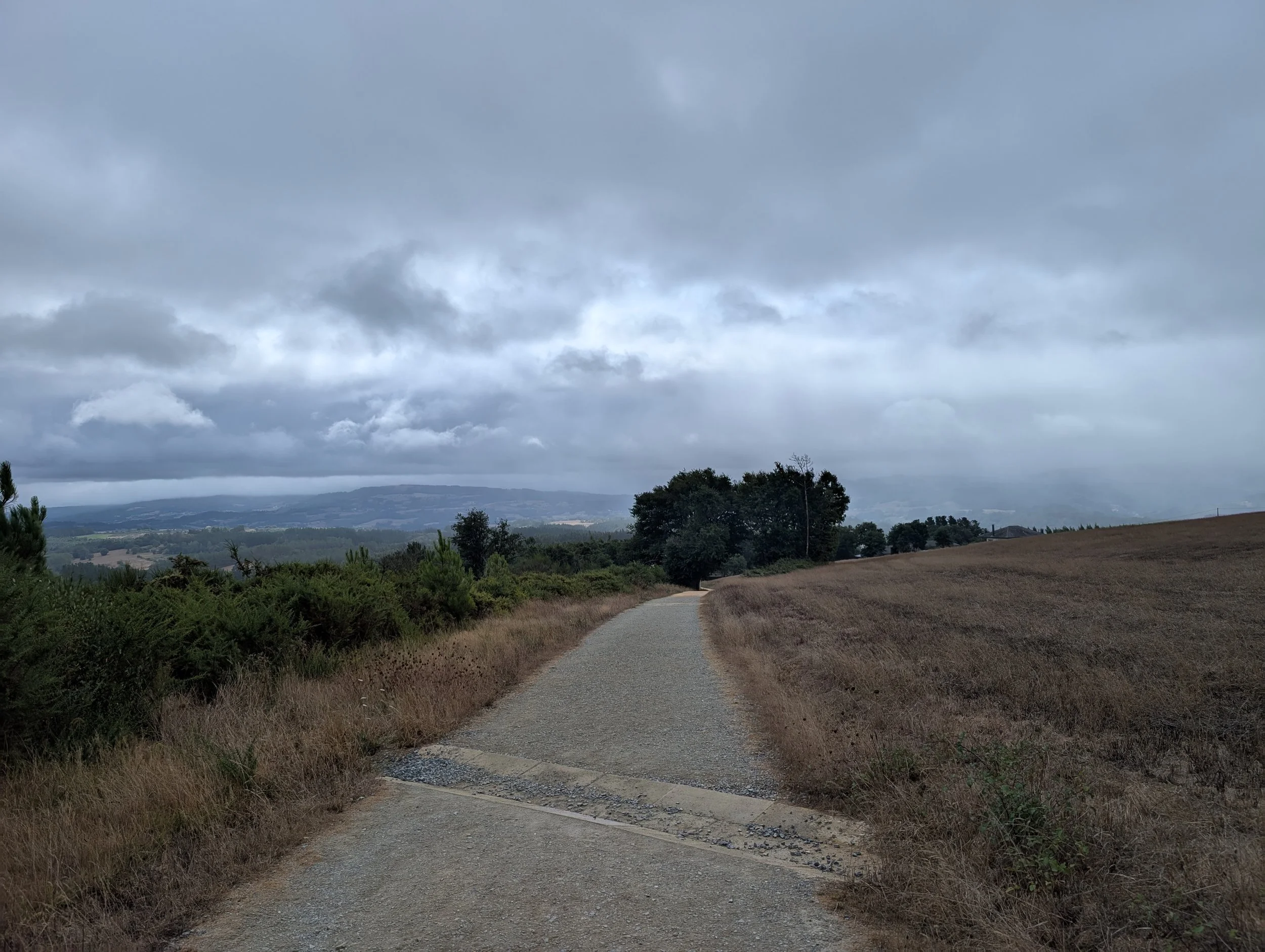
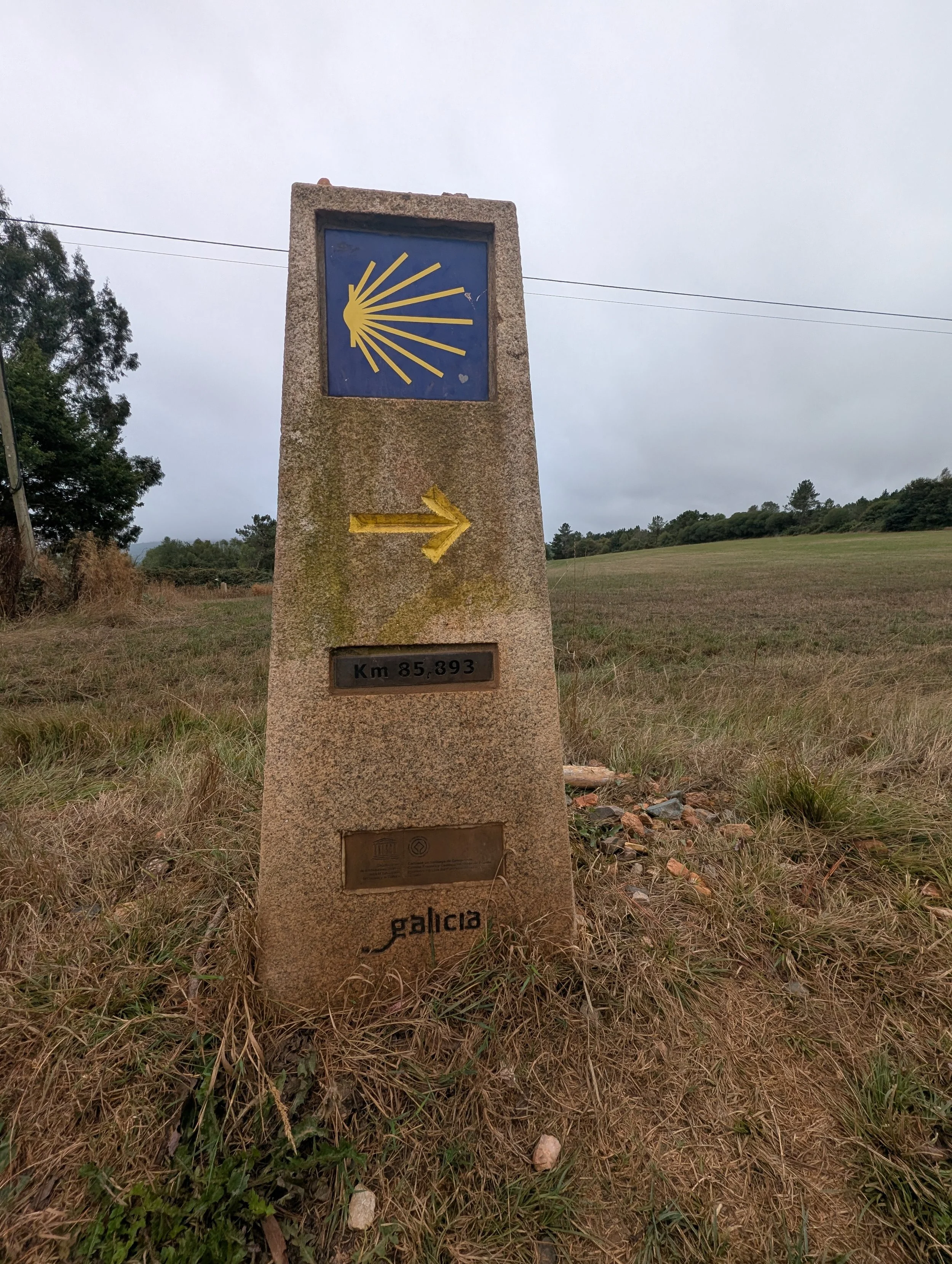
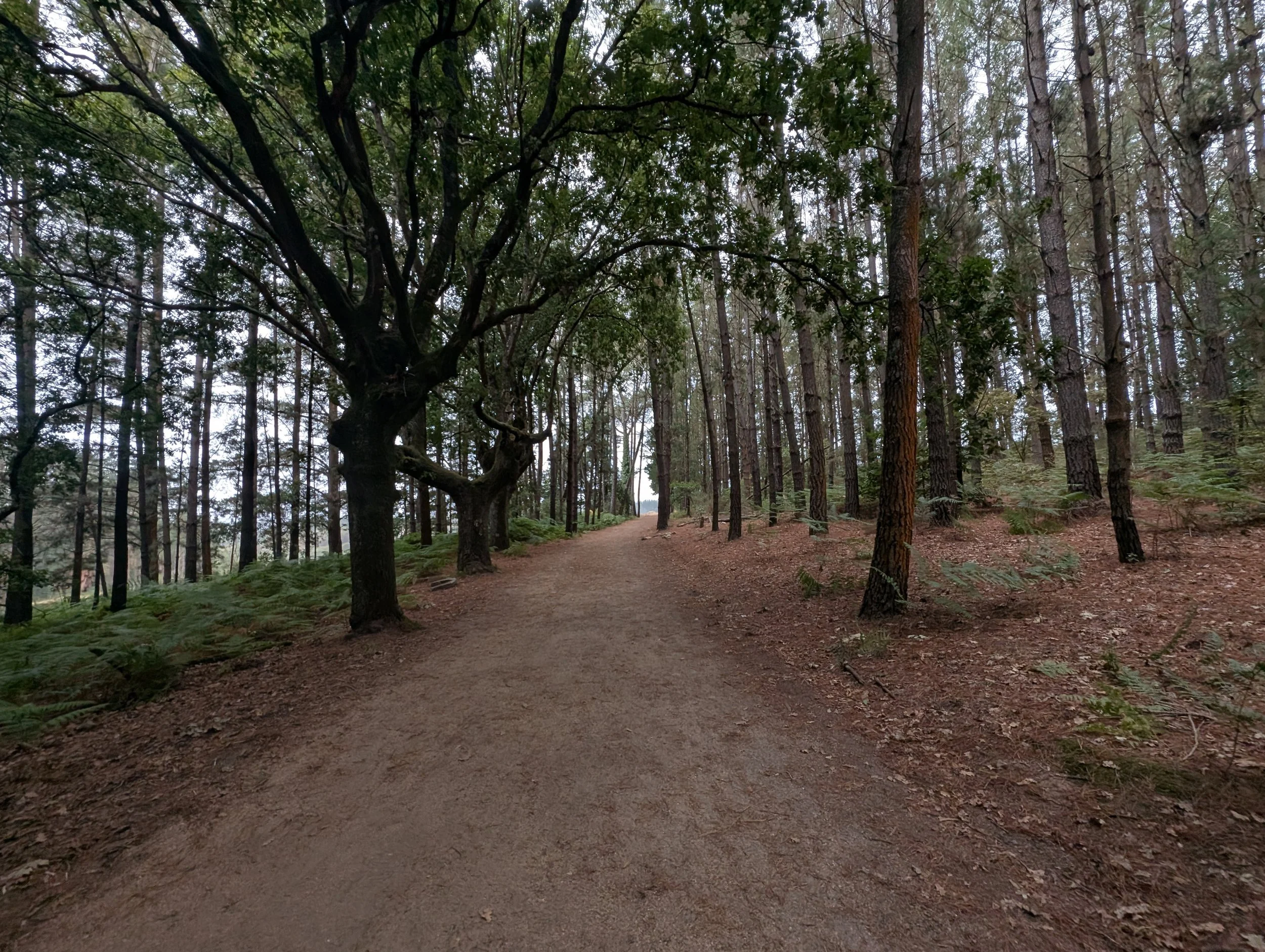
Day 3 was our longest and most challenging walk so far, covering 27 kilometers (16.8 miles) from the Lugo area to Palas del Rei. It was our second-longest day overall, and one I would only recommend to very experienced walkers. From start to finish, the distance pushed both our physical and mental limits.
We did our best to stay positive throughout the day, taking it one step at a time. By the end, we were completely exhausted but grateful to have made it to our hotel. Some days on the Camino are about beauty and reflection—this one was about endurance.
That night, we stayed at Los Dos Alemanes. While the staff was very kind and welcoming, the accommodations were unfortunately the least comfortable of our trip. The room had an unpleasant odor, and the bedding—specifically the single large pillow—smelled as though it hadn’t fully dried. Additionally, towels were not included and had to be paid for separately, which we hadn’t experienced at any other stop along the Camino.
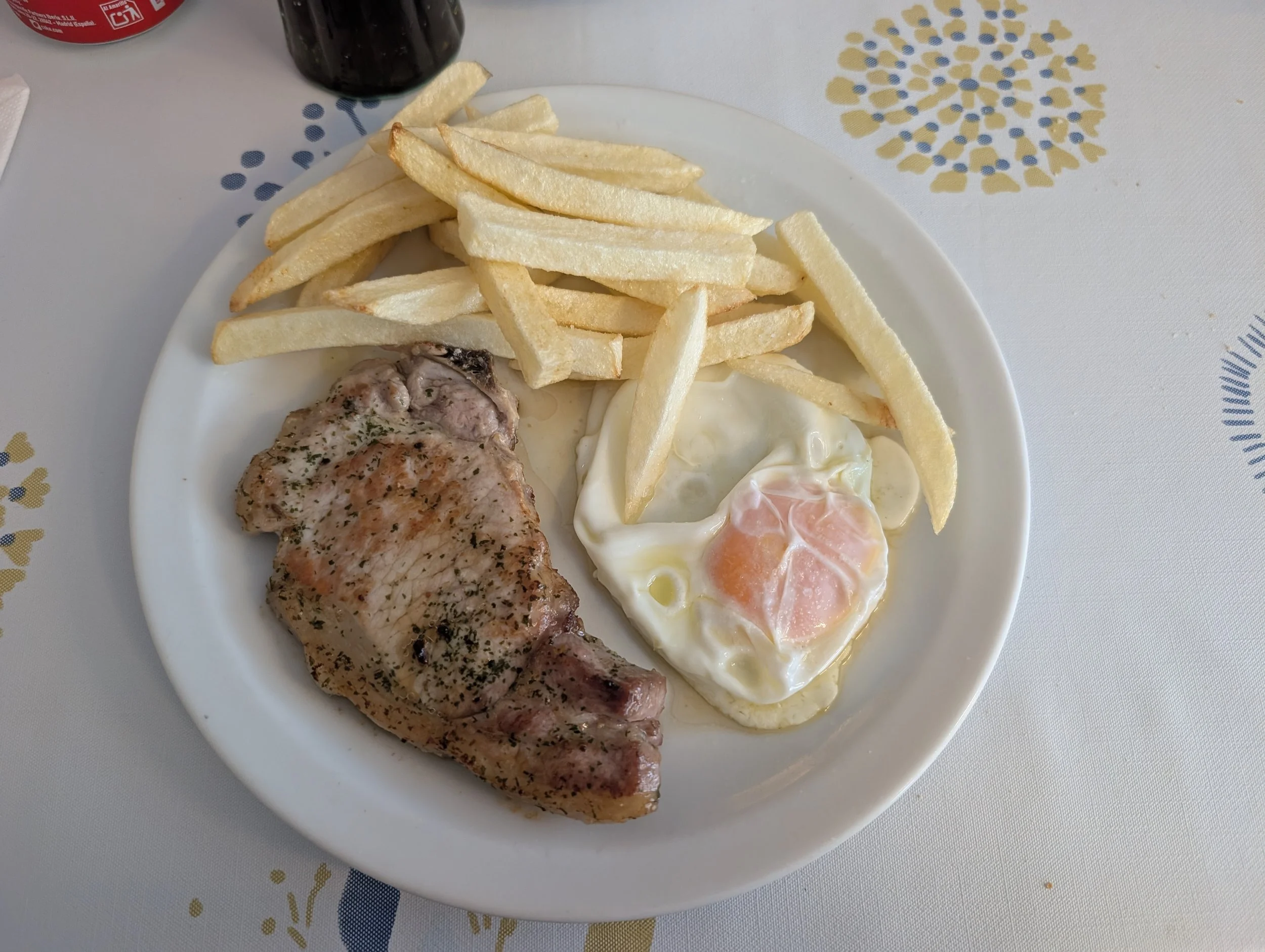
Because we arrived so late, we also had dinner at Los Dos Alemanes, as it was the only available option nearby. There was no menu, but the staff member did his best to communicate what the kitchen could prepare. With the help of a translation app, we ordered pork chops, eggs, and fries. The pork was surprisingly good, though the fries were very plain.
Day 3 was not easy, but it reinforced one of the Camino’s quiet lessons: some days are simply about showing up, finishing strong, and resting when you can.
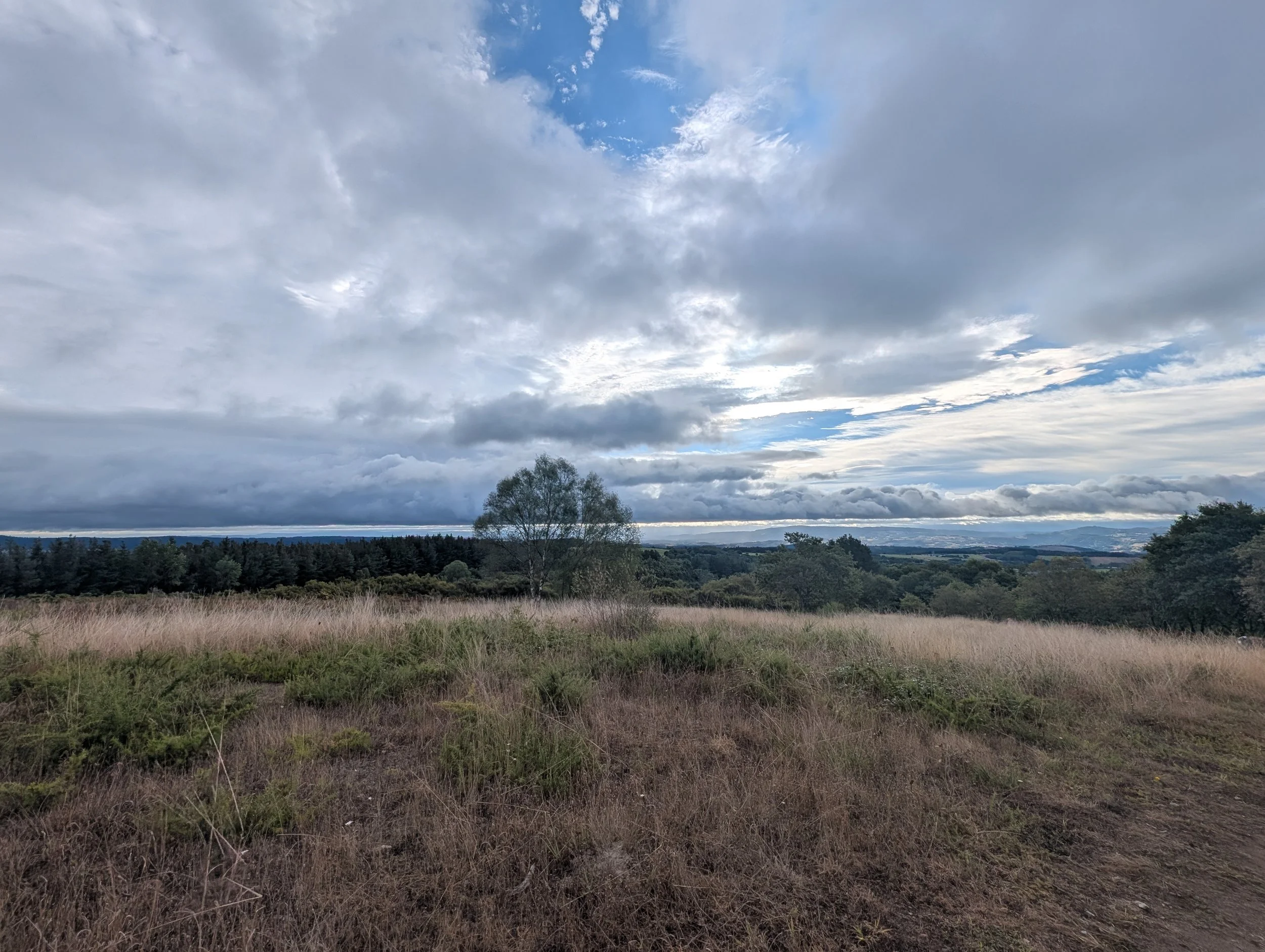
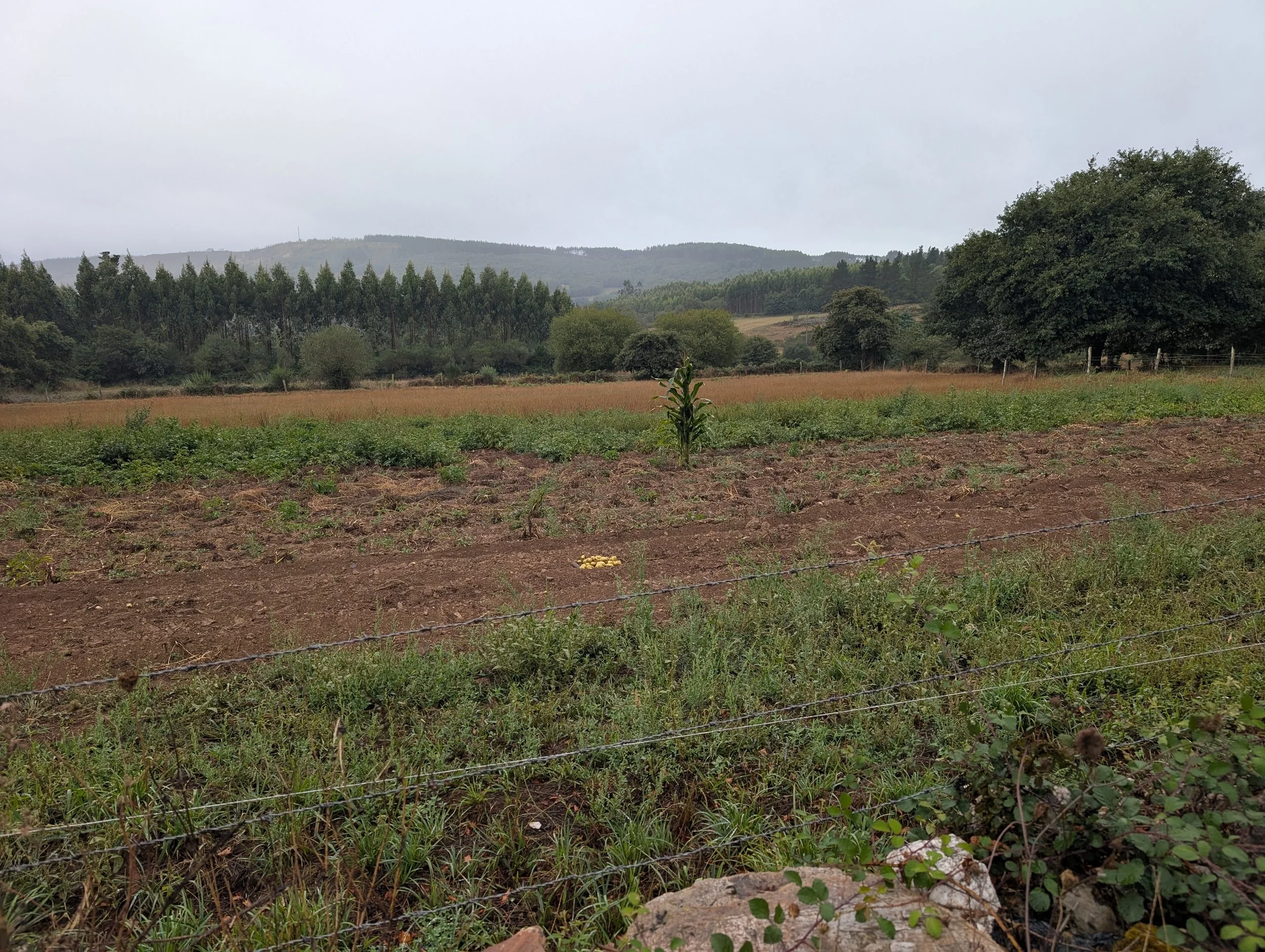
Day 4: Palas del Rei → O Pino (31 km / 19 miles)
Day 4 turned out to be our longest walk of the entire journey, covering 31 kilometers (19 miles) from Palas del Rei to O Pino. While we made it through the day safely, this is a distance I would strongly caution against for most pilgrims. By the end of the walk, both of my Achilles were extremely sore and bruised, making this one of the most physically demanding days of the Camino.
Despite the exhaustion, the day ended on a high note. We arrived at Albergue Turistico Salceda, which ended up being the best place we stayed during the entire trip. After such a difficult day, the comfort and care we experienced there made all the difference.
Dinner that evening was also at Albergue Turistico Salceda, and it was outstanding—easily one of the best meals of the journey, second only to the seafood paella earlier in the trip. The food was so good that we returned again for breakfast the next morning. After a day that pushed us to our limits, being able to rest, eat well, and recover in such a welcoming place felt like a true Camino gift.
Day 4 was a reminder that while the Camino can be physically demanding, it also has a way of rewarding perseverance when you need it most.
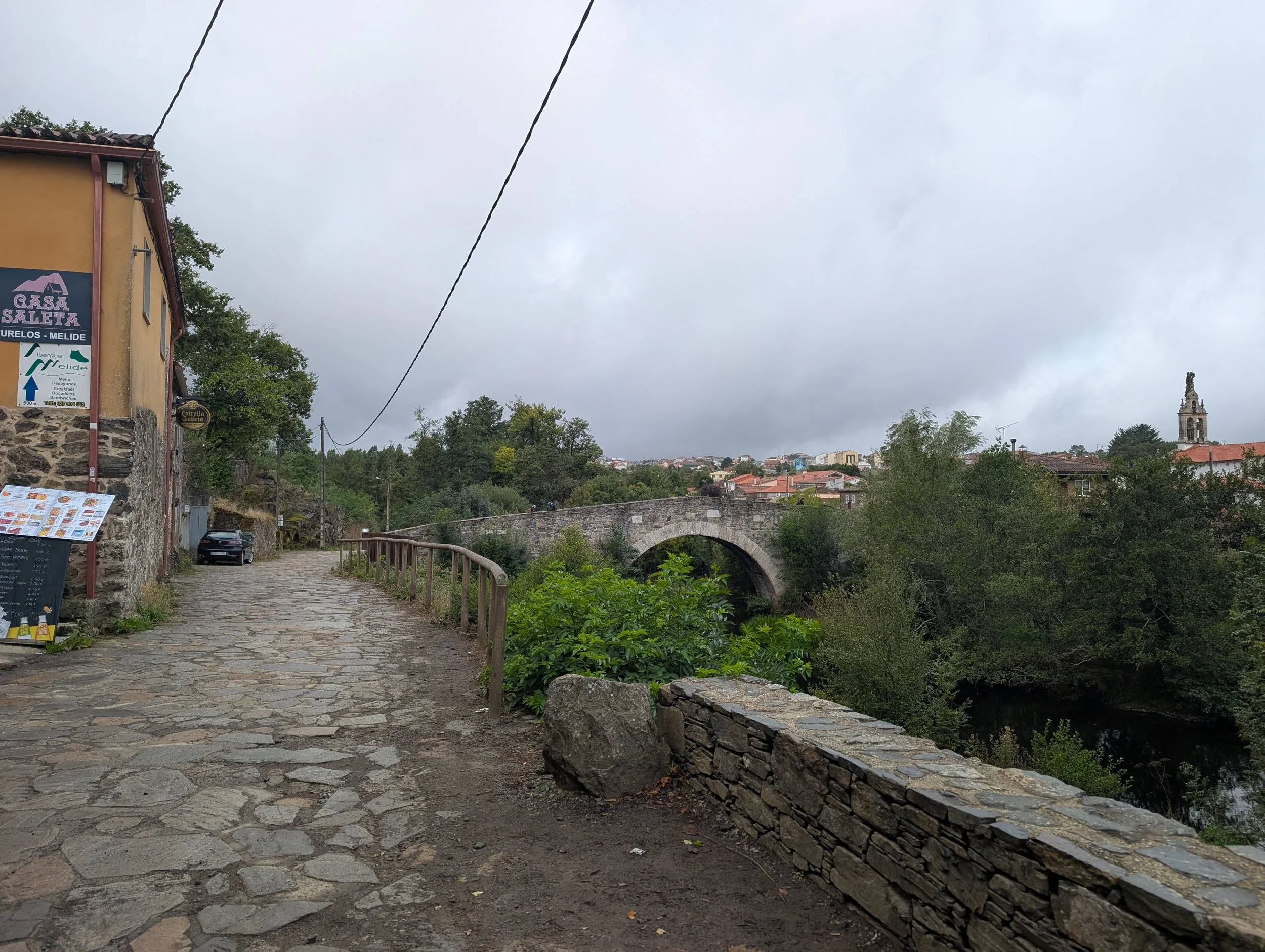
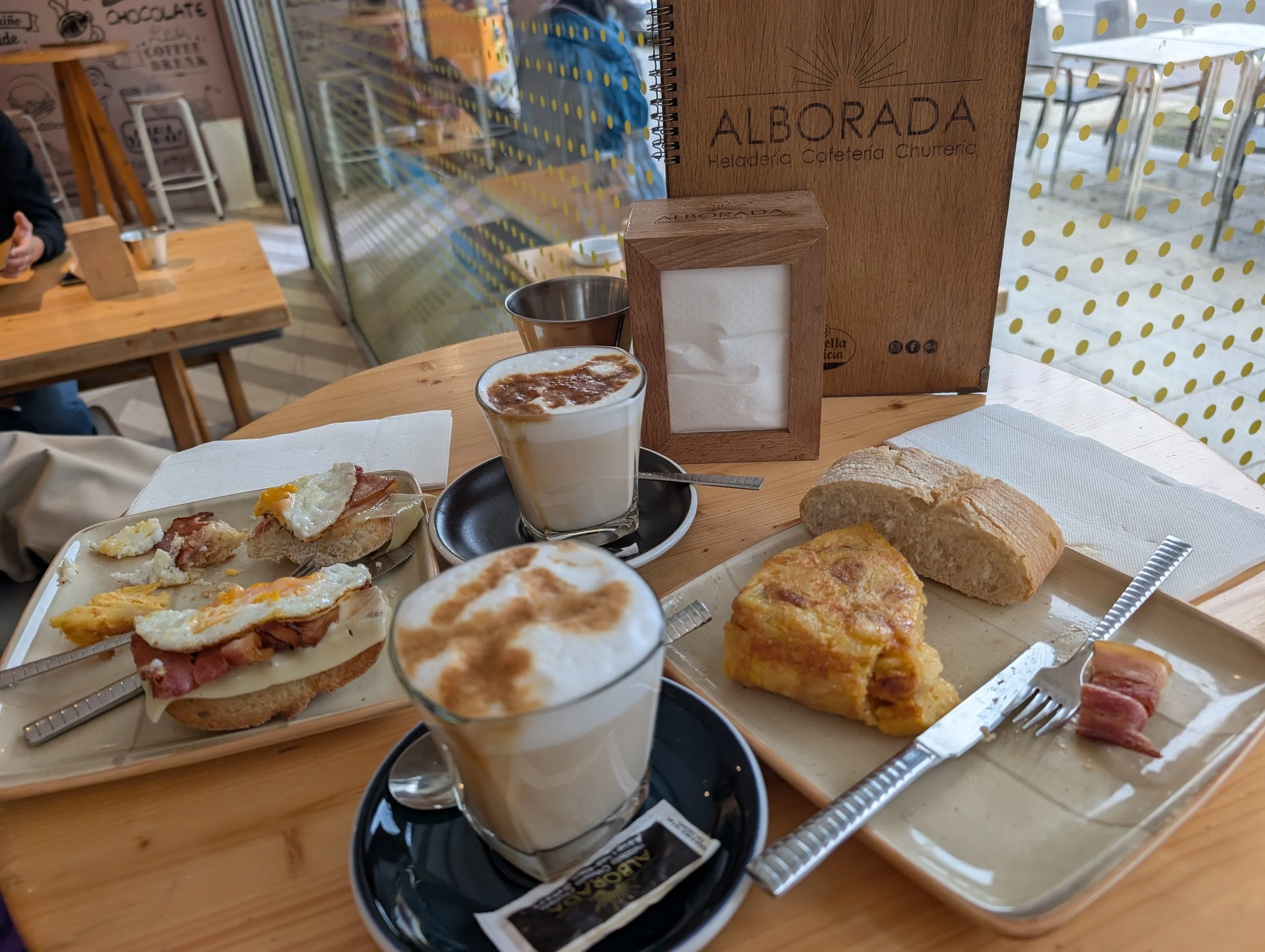
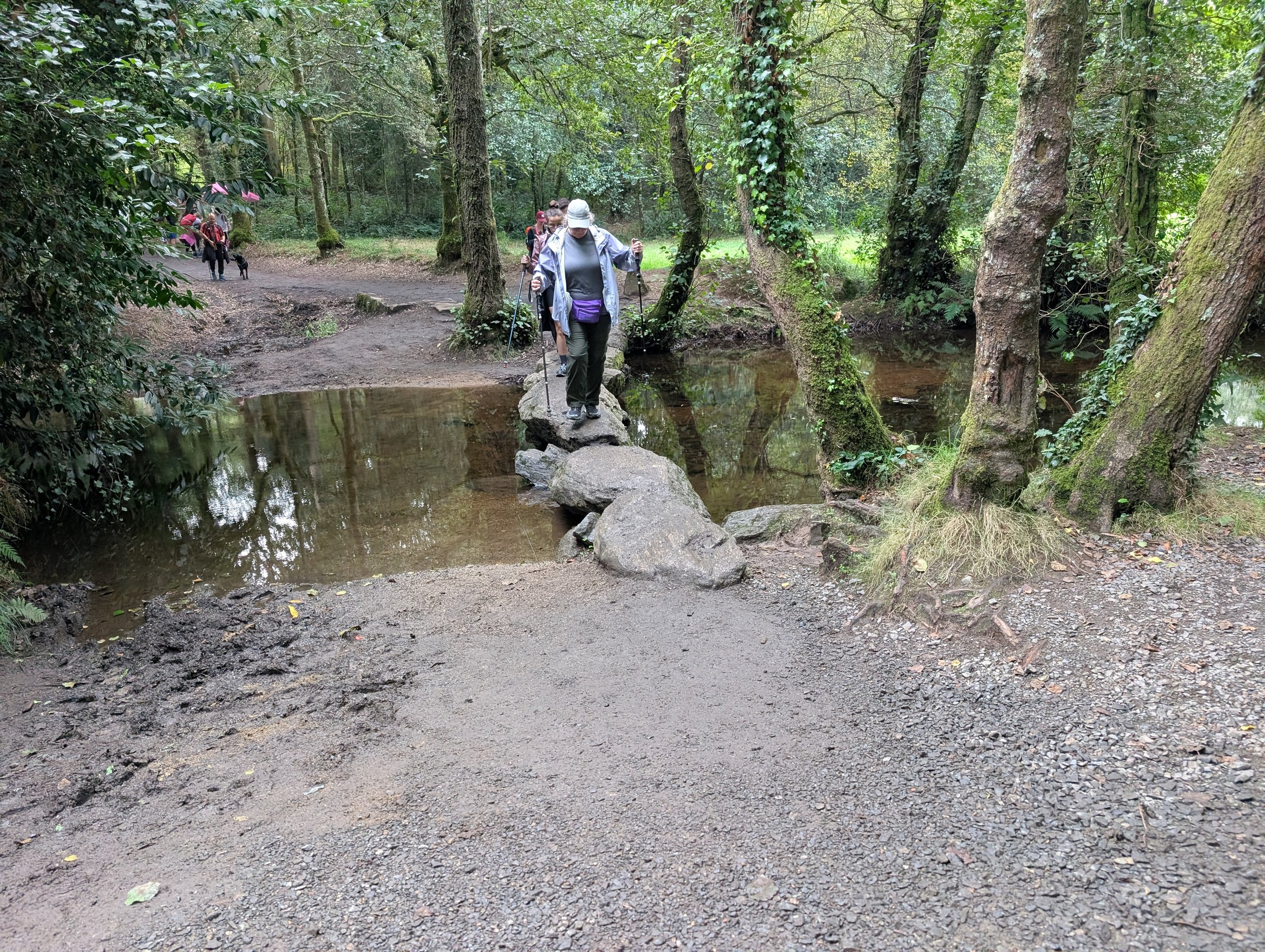
Day 5: O Pino → Santiago de Compostela (17 km / 10.6 miles)
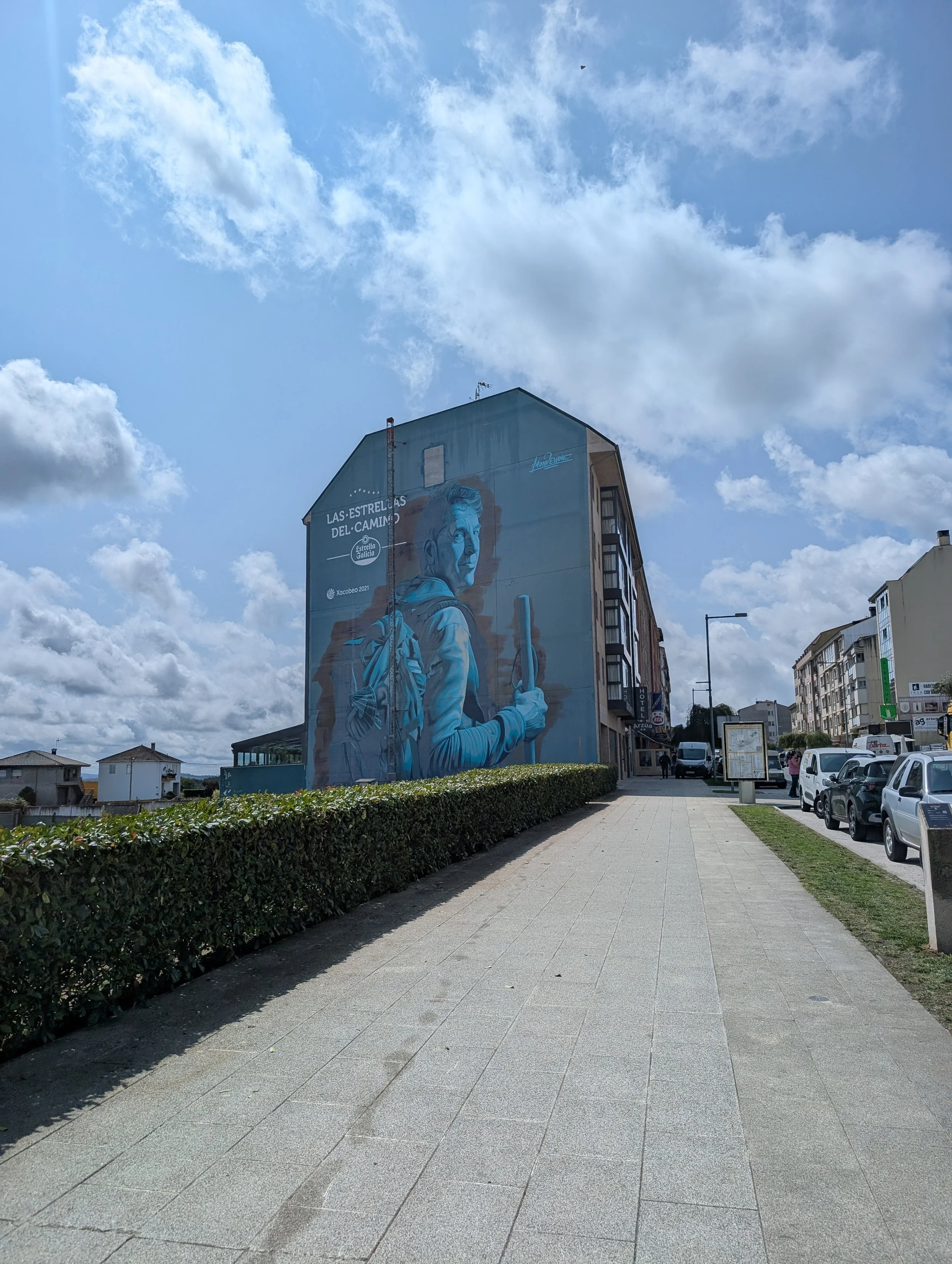
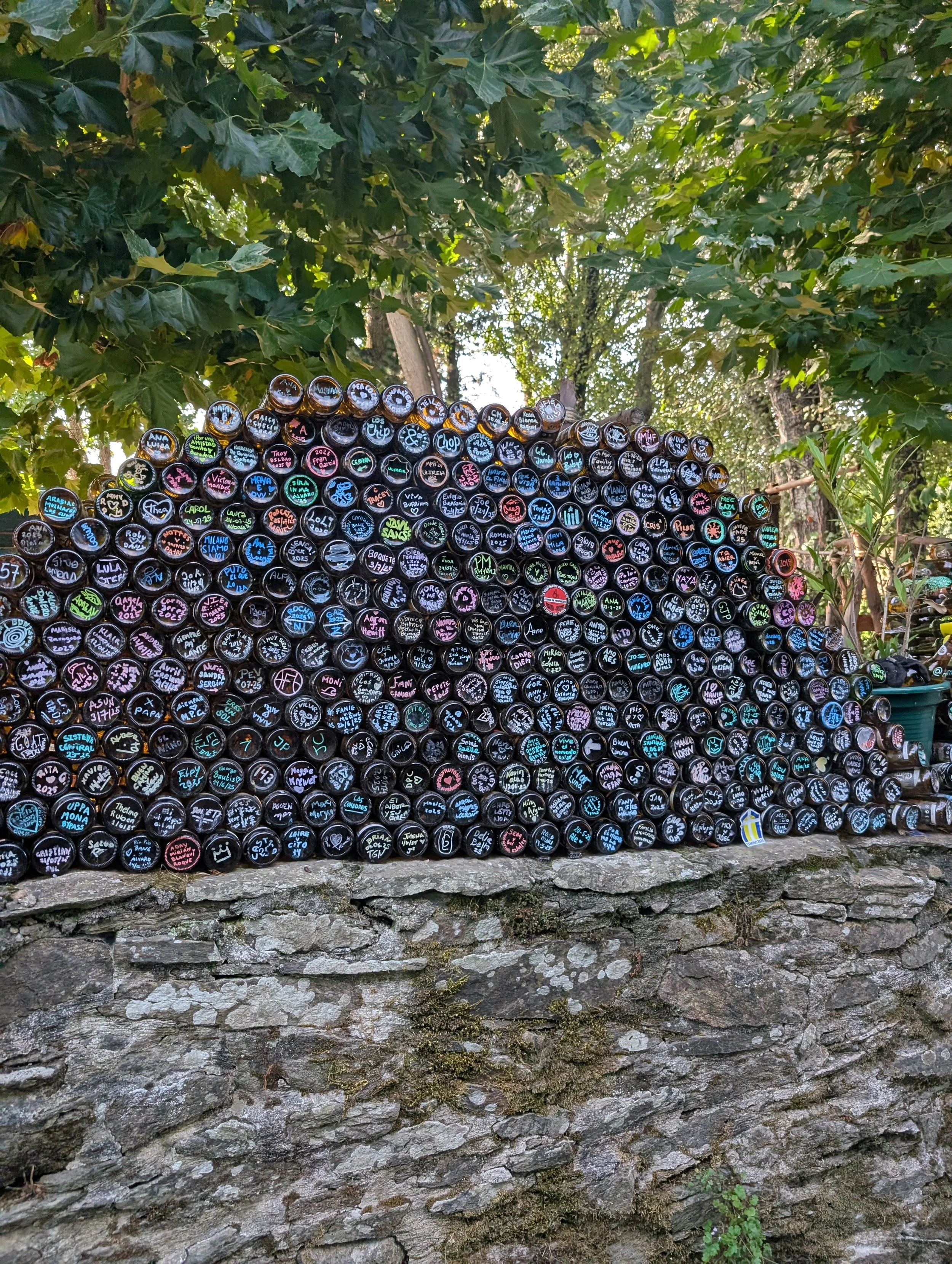
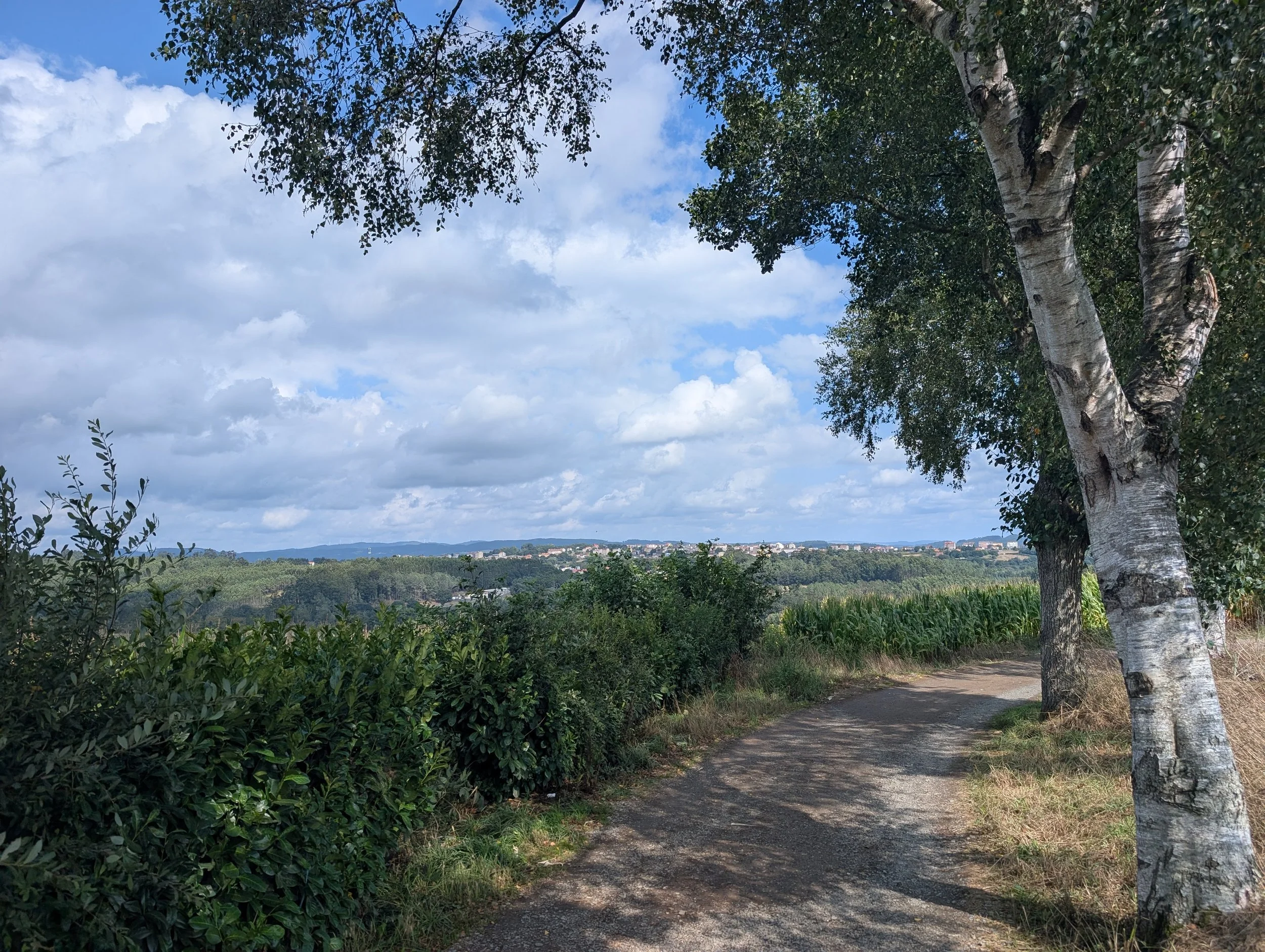
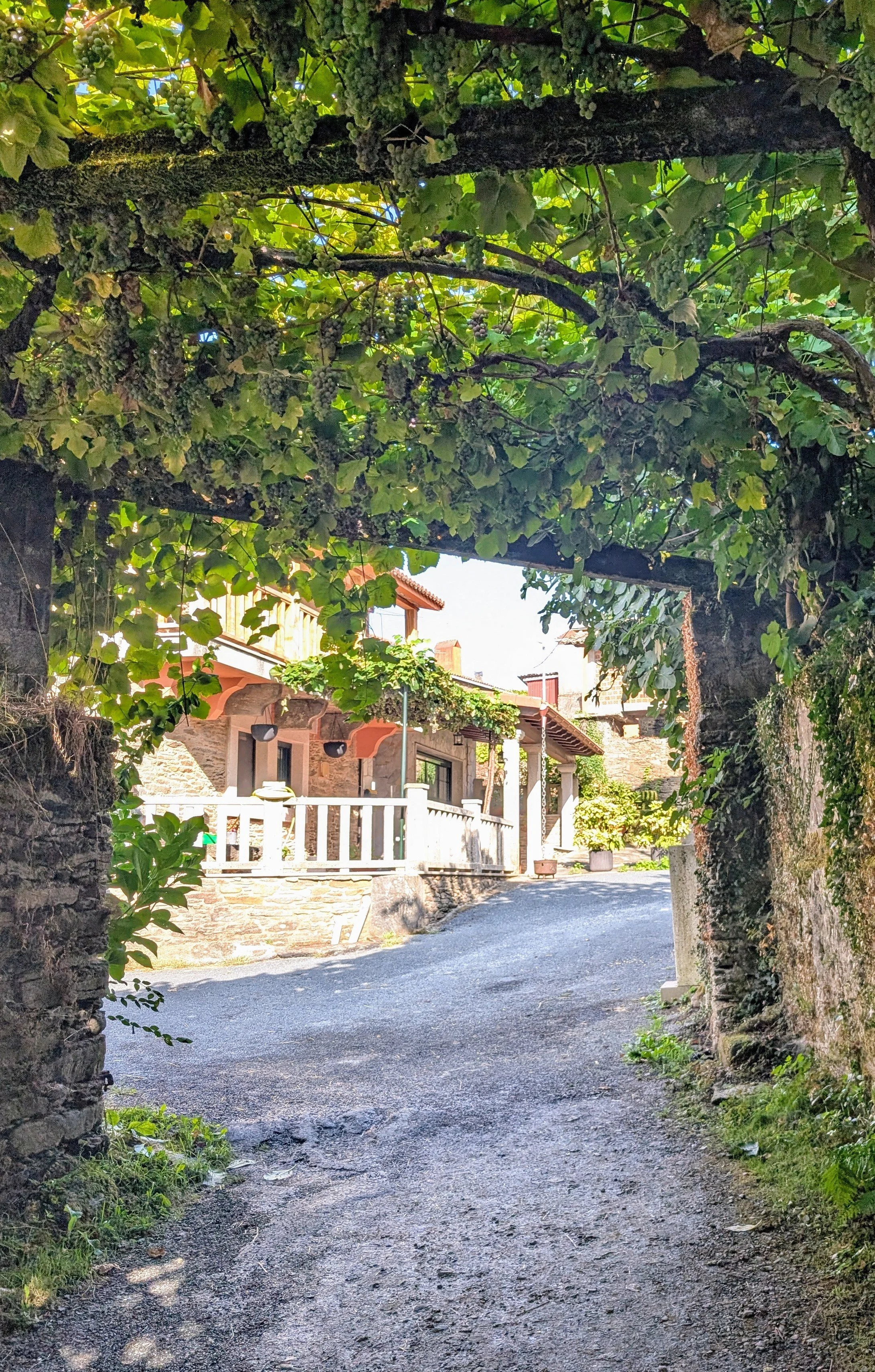
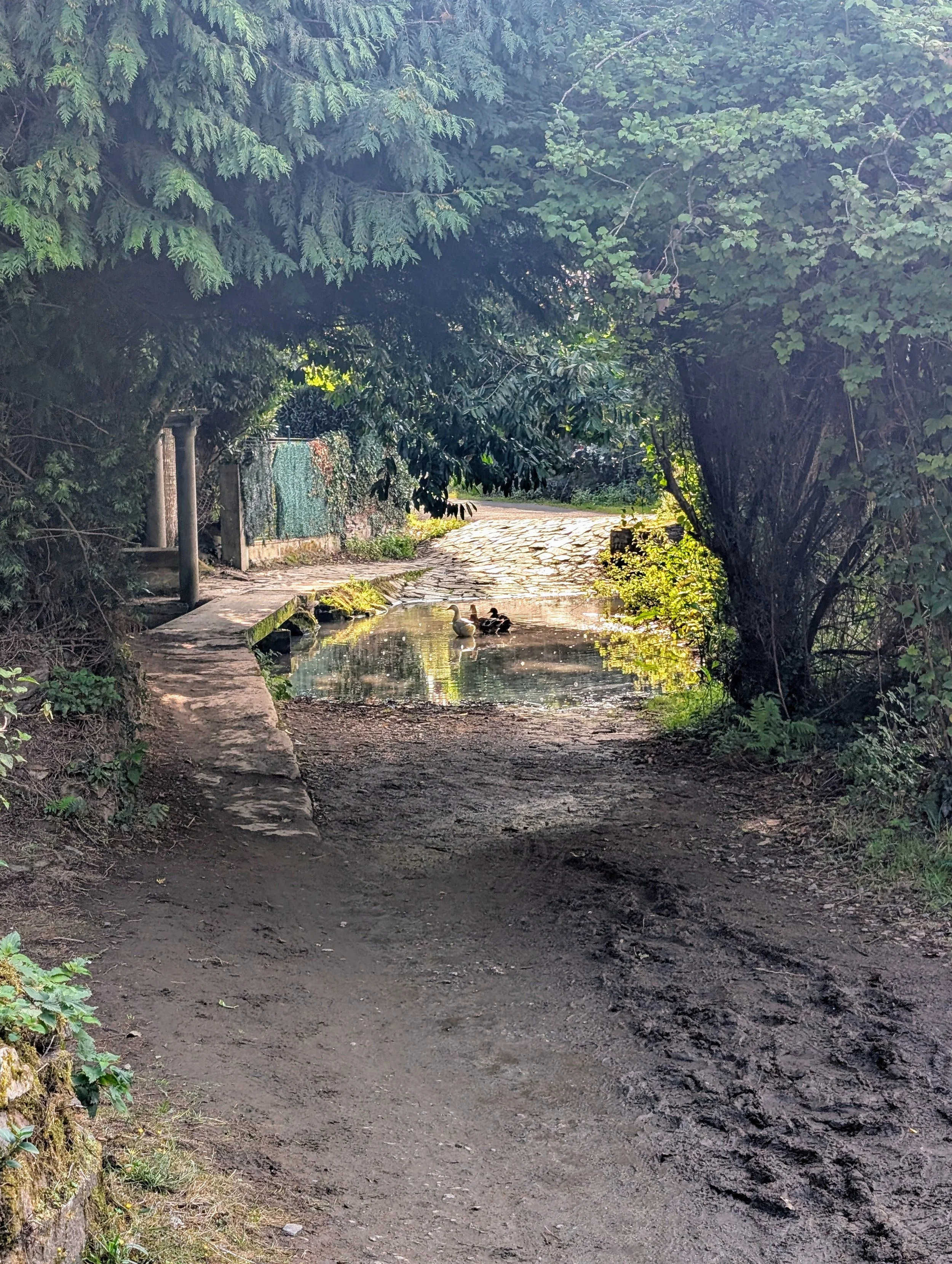
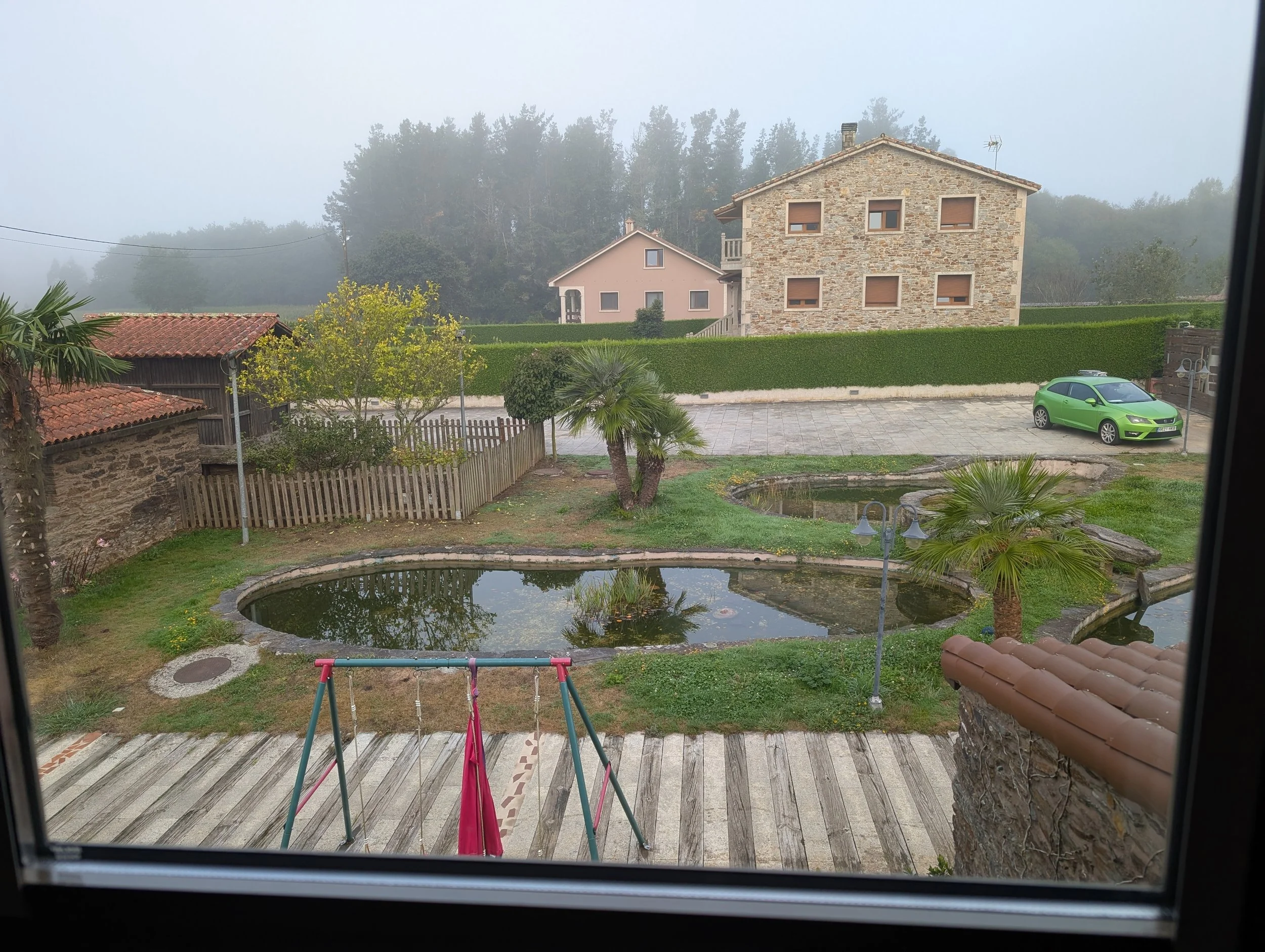
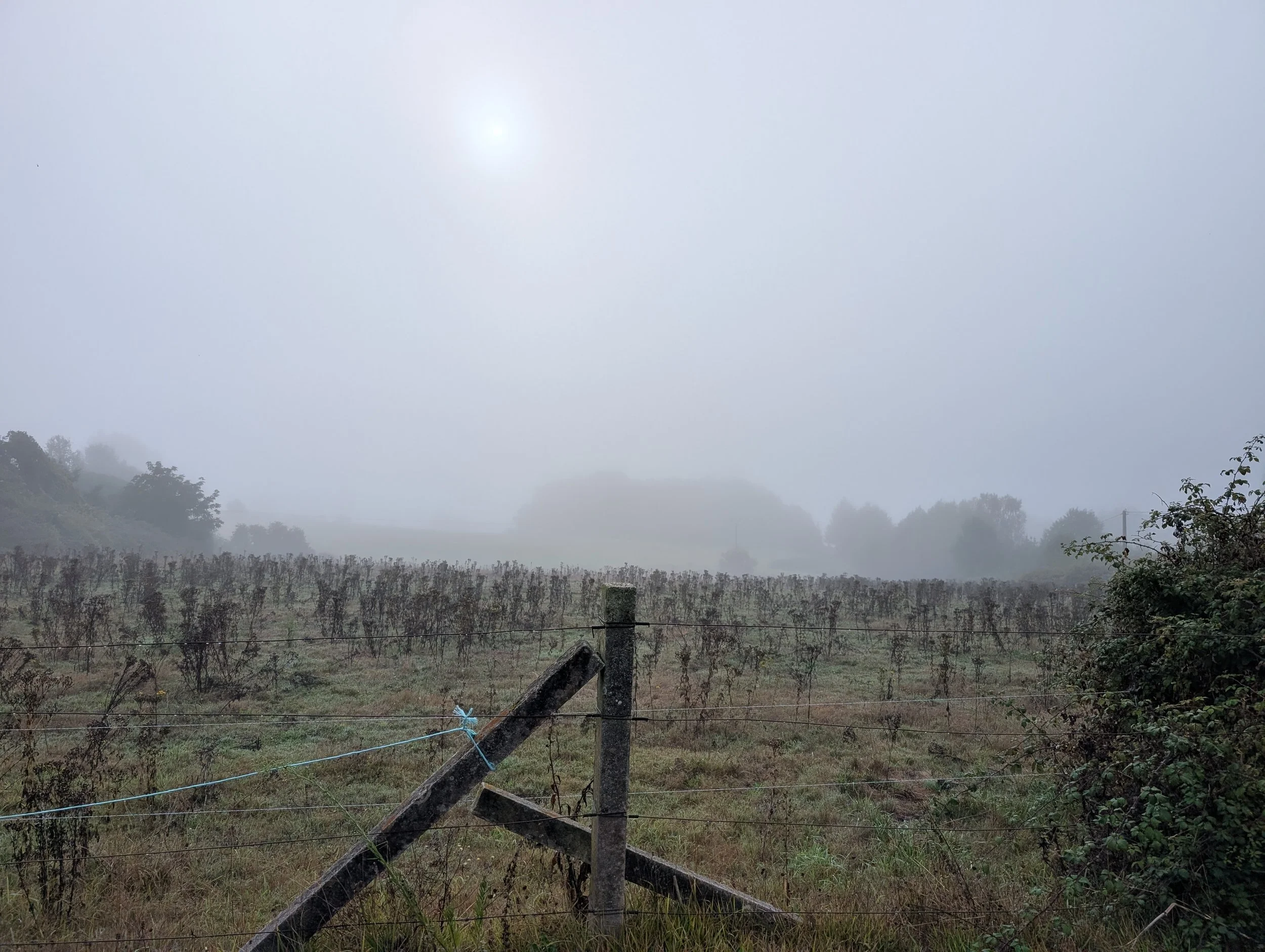
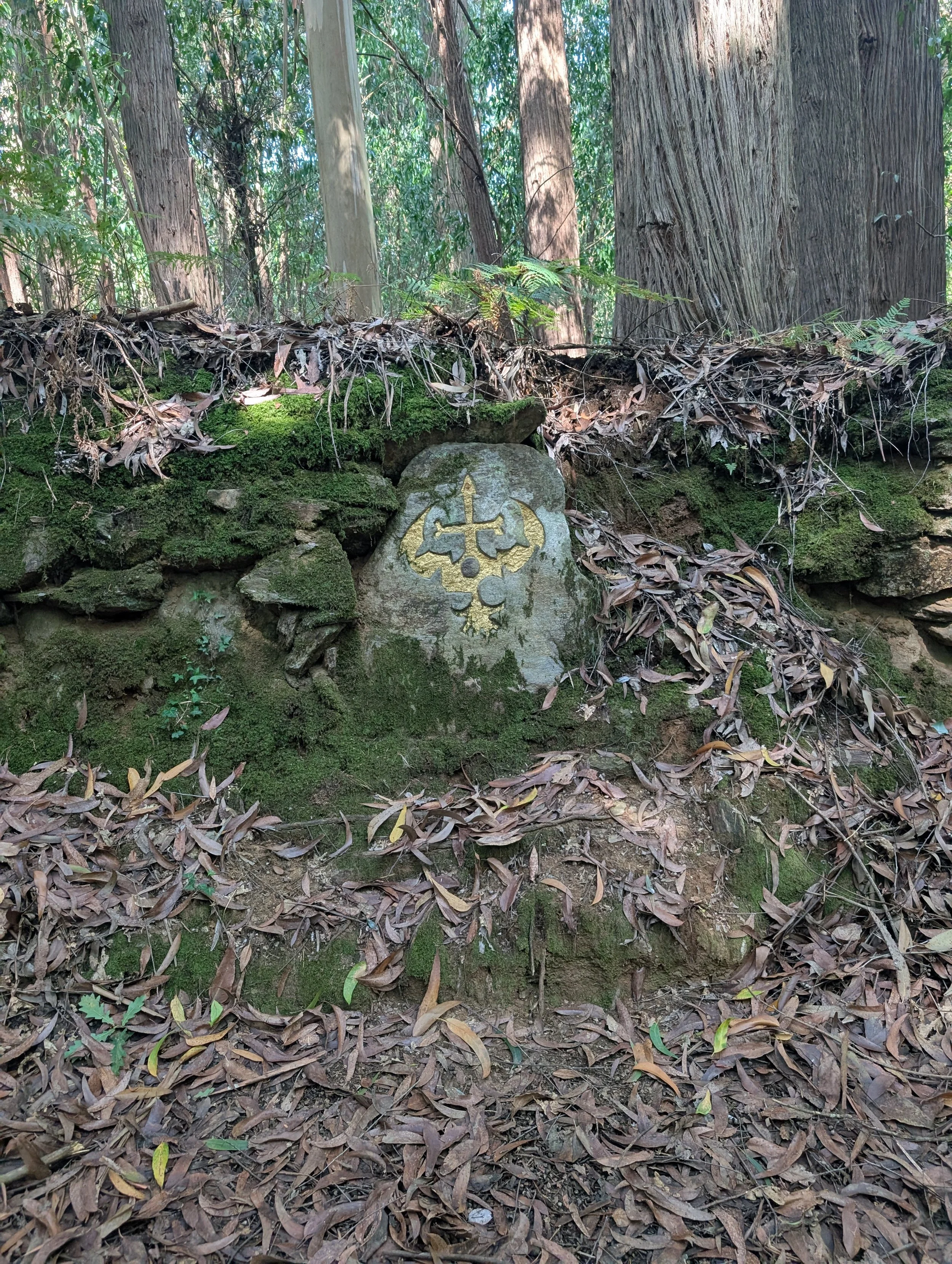
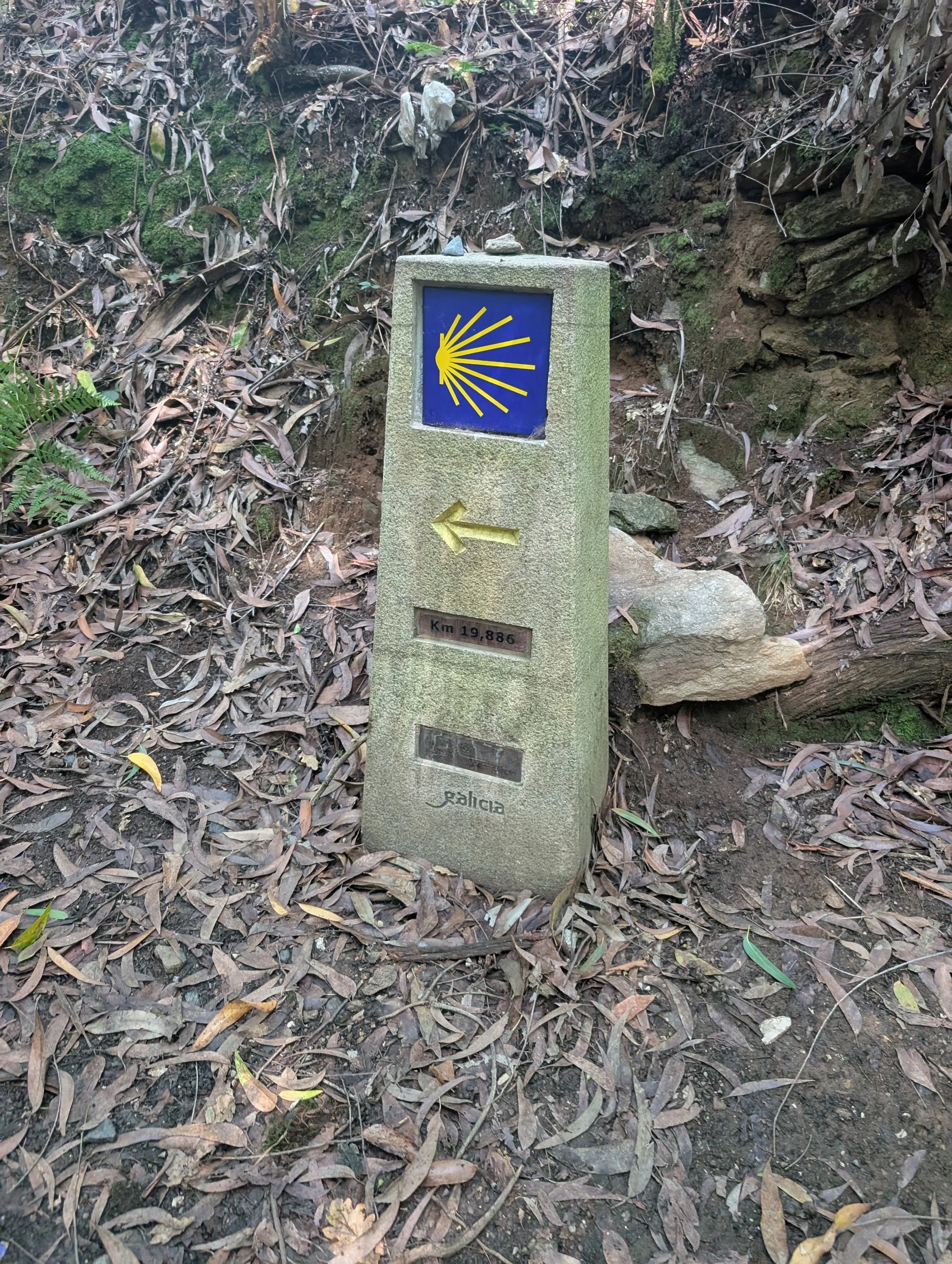
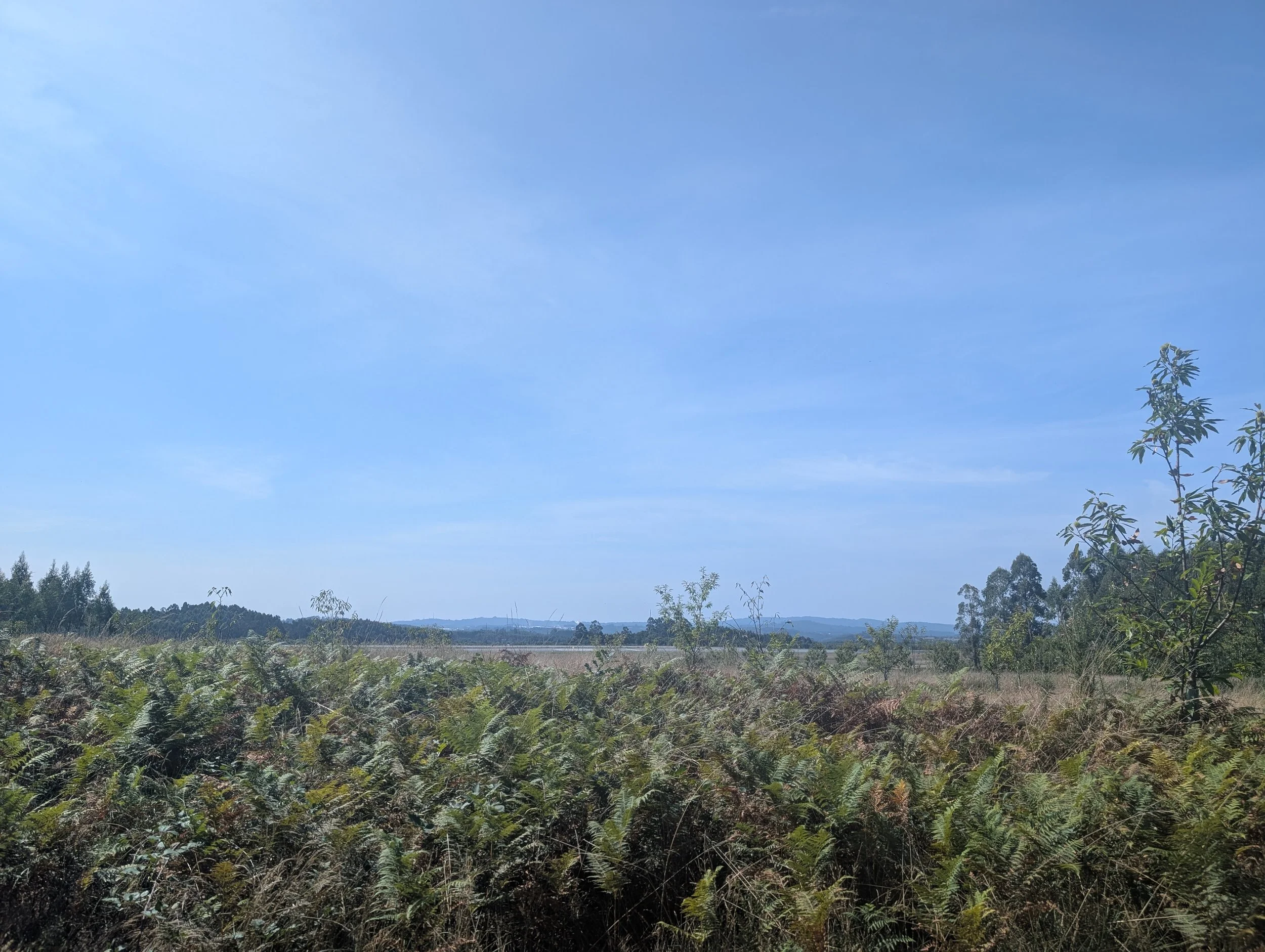
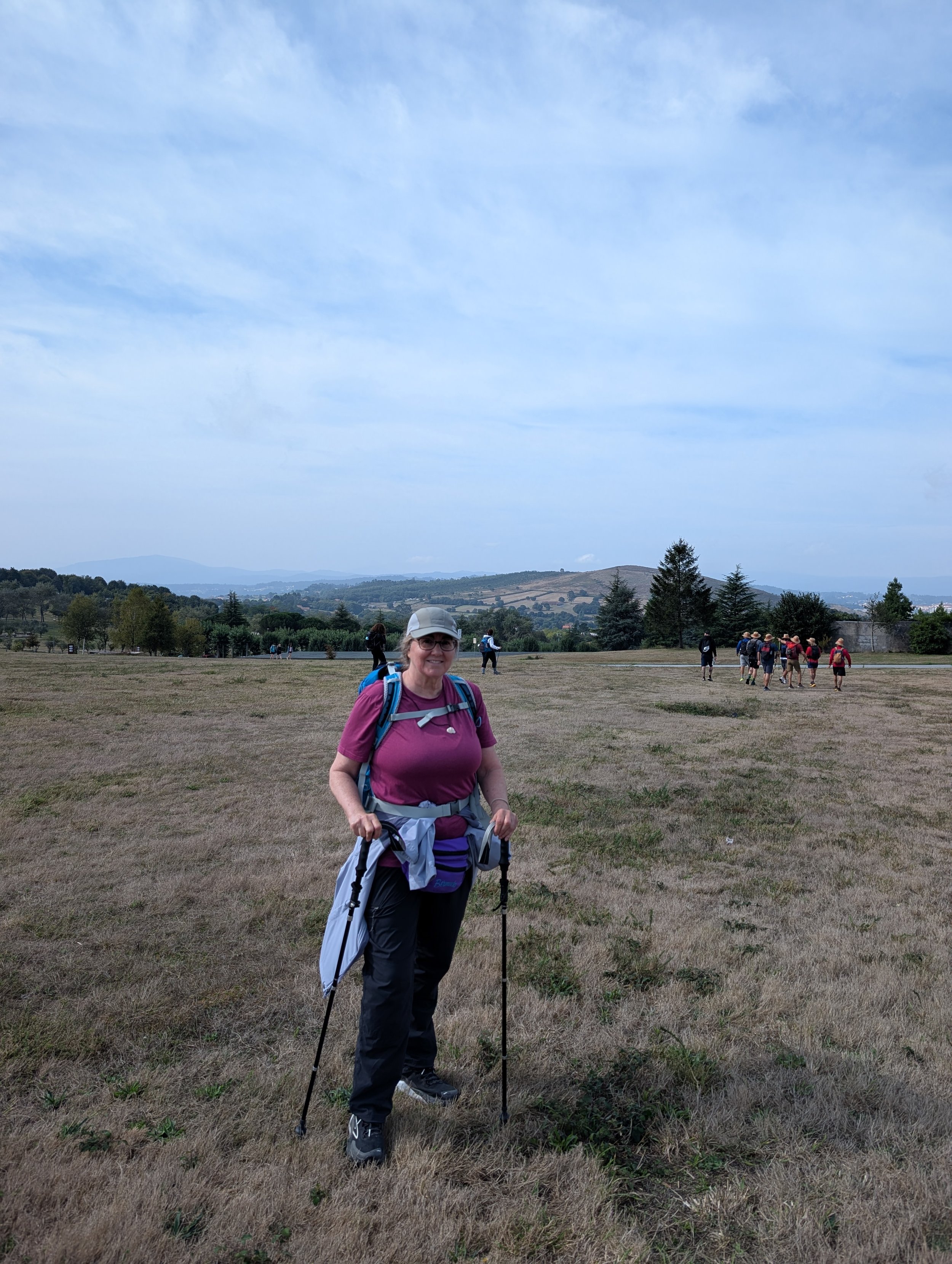
Our walk from O Pino into Santiago covered 17 kilometers (10.6 miles) and felt noticeably lighter than the days before. The route was tranquil and bathed in sunshine, offering a peaceful lead-in to the end of our Camino.
Along the way, we were fortunate to meet a wonderfully extroverted fellow pilgrim whose conversation carried us through the final several kilometers. After so many long and demanding days, the ease of good company made the walk feel shorter and more joyful.
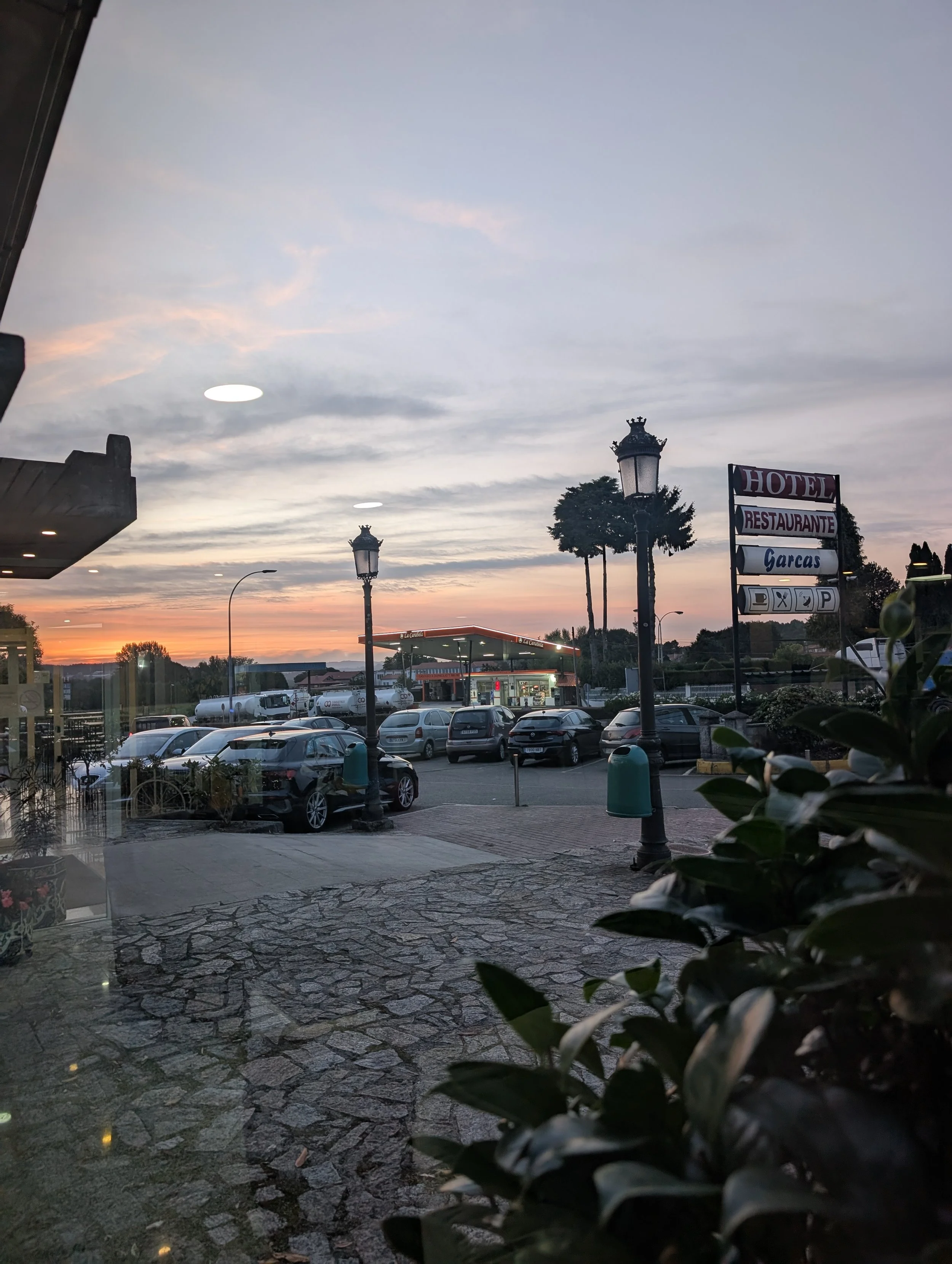
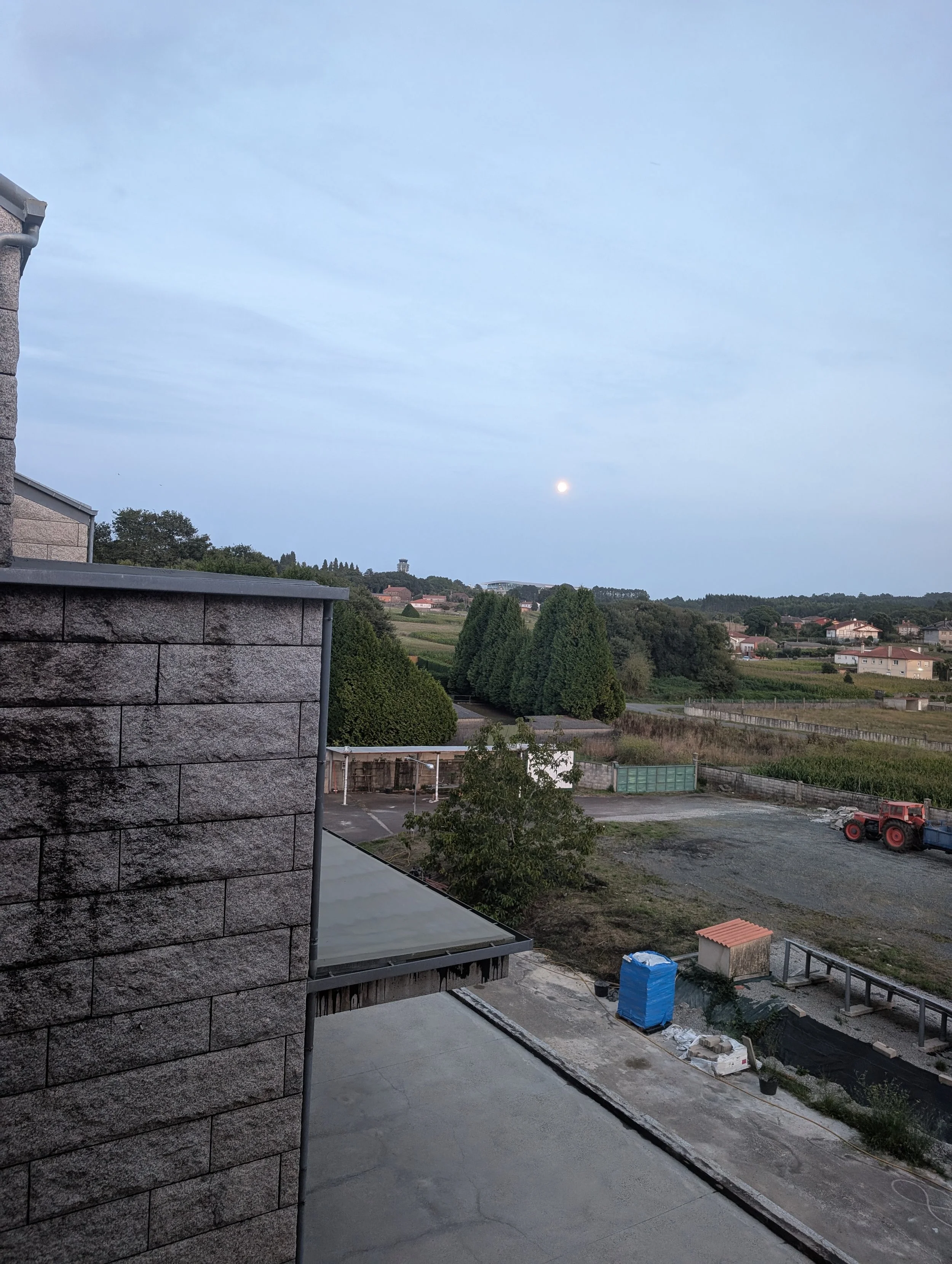
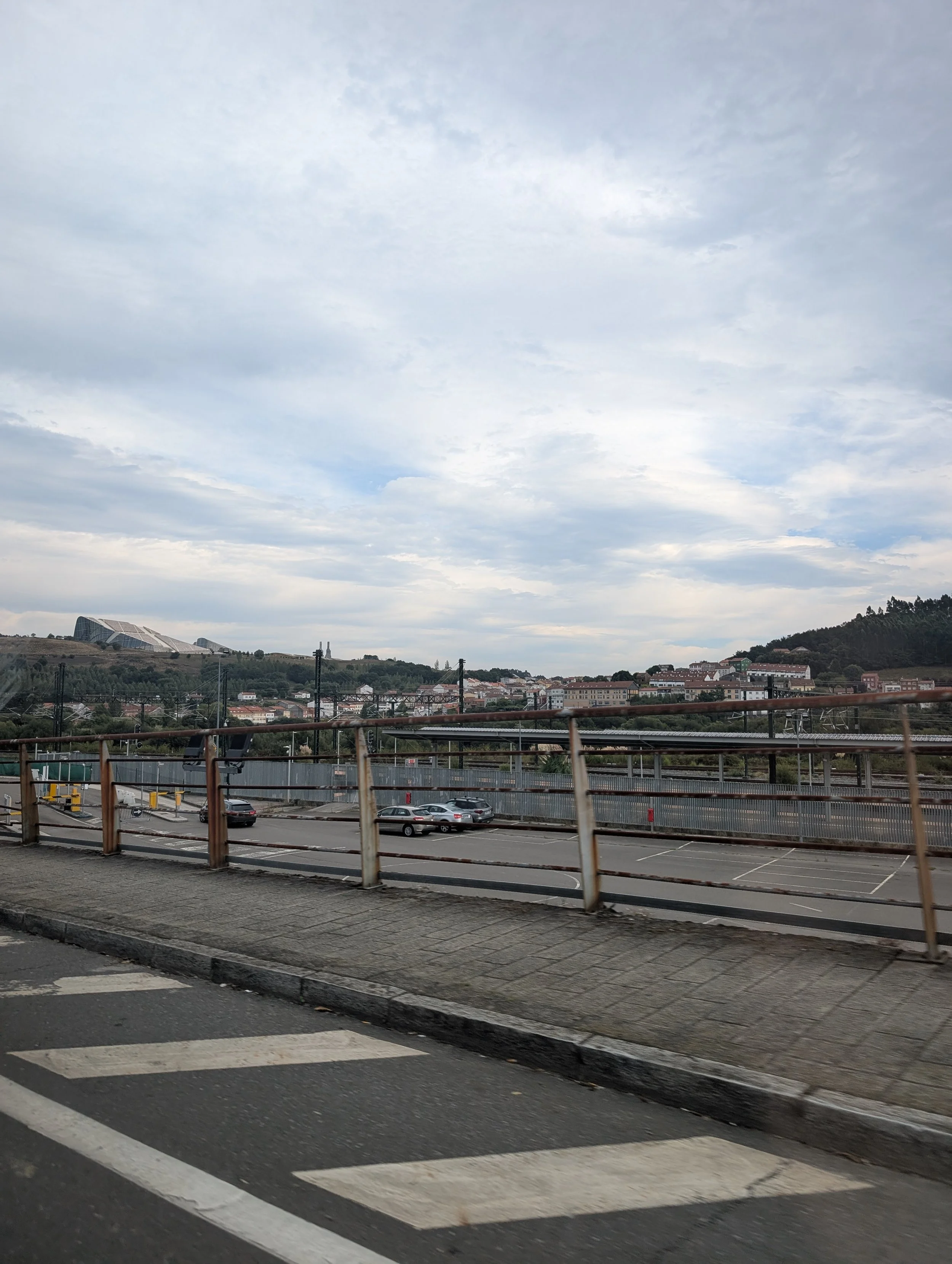
That evening, we stayed at Hotel Garcas, a nice hotel with unusually small bathrooms but the added bonus of 24/7 laundry access—something we had grown to deeply appreciate by this point in the journey. From our room, we could even see the airport in the distance.
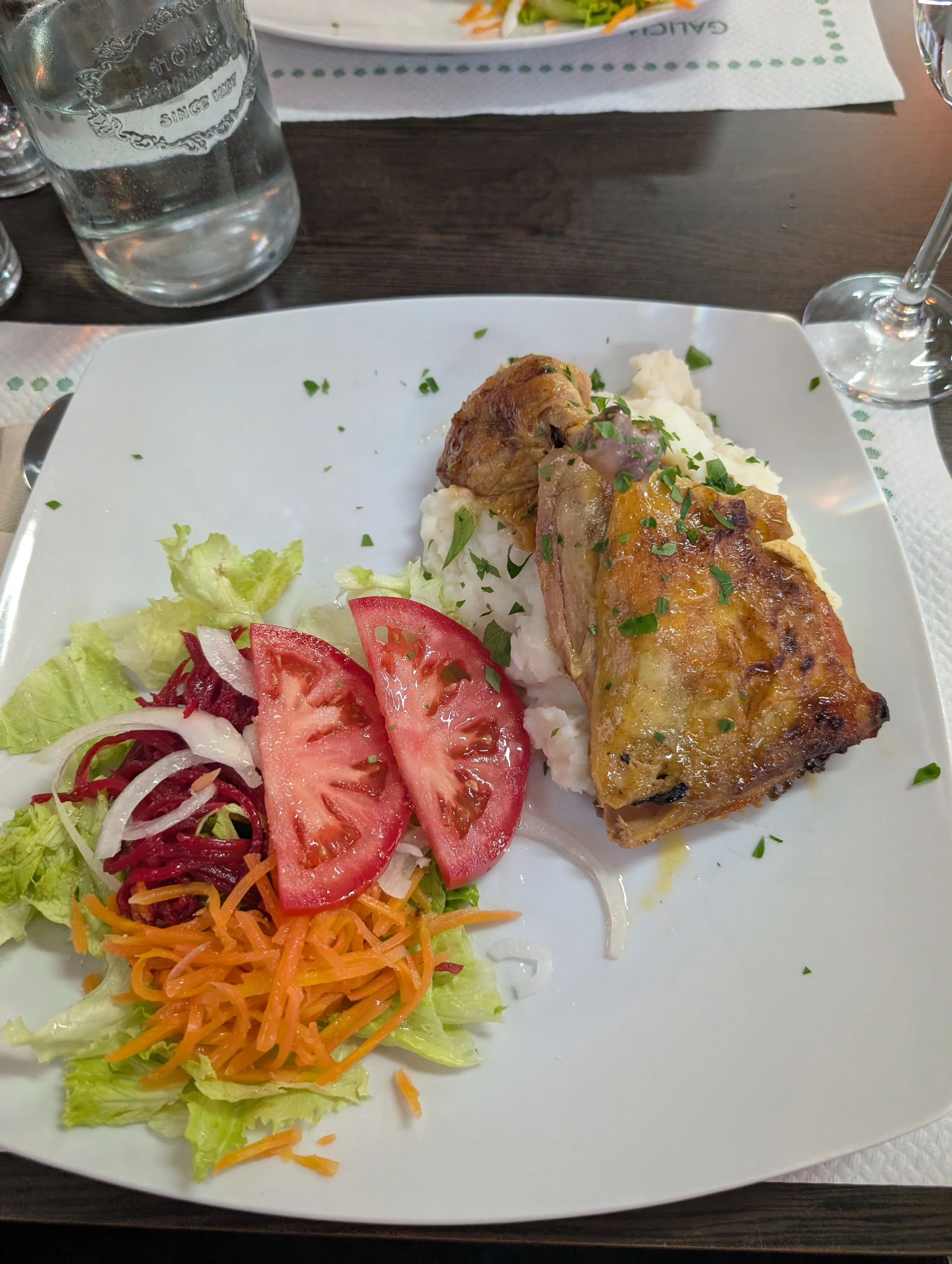
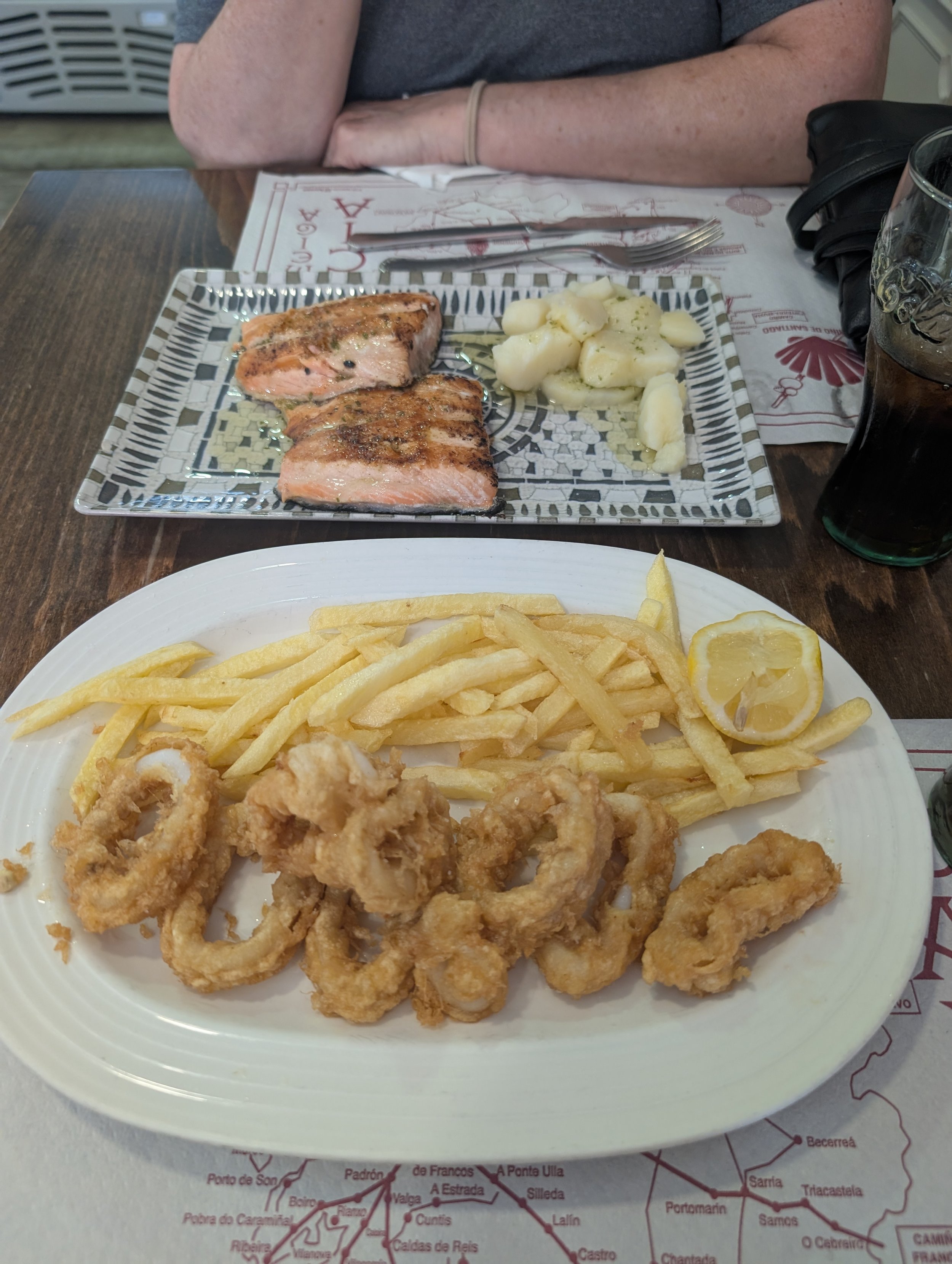
Dinner was also at Hotel Garcas. The calamari was quite good, though we wouldn’t recommend the salmon.
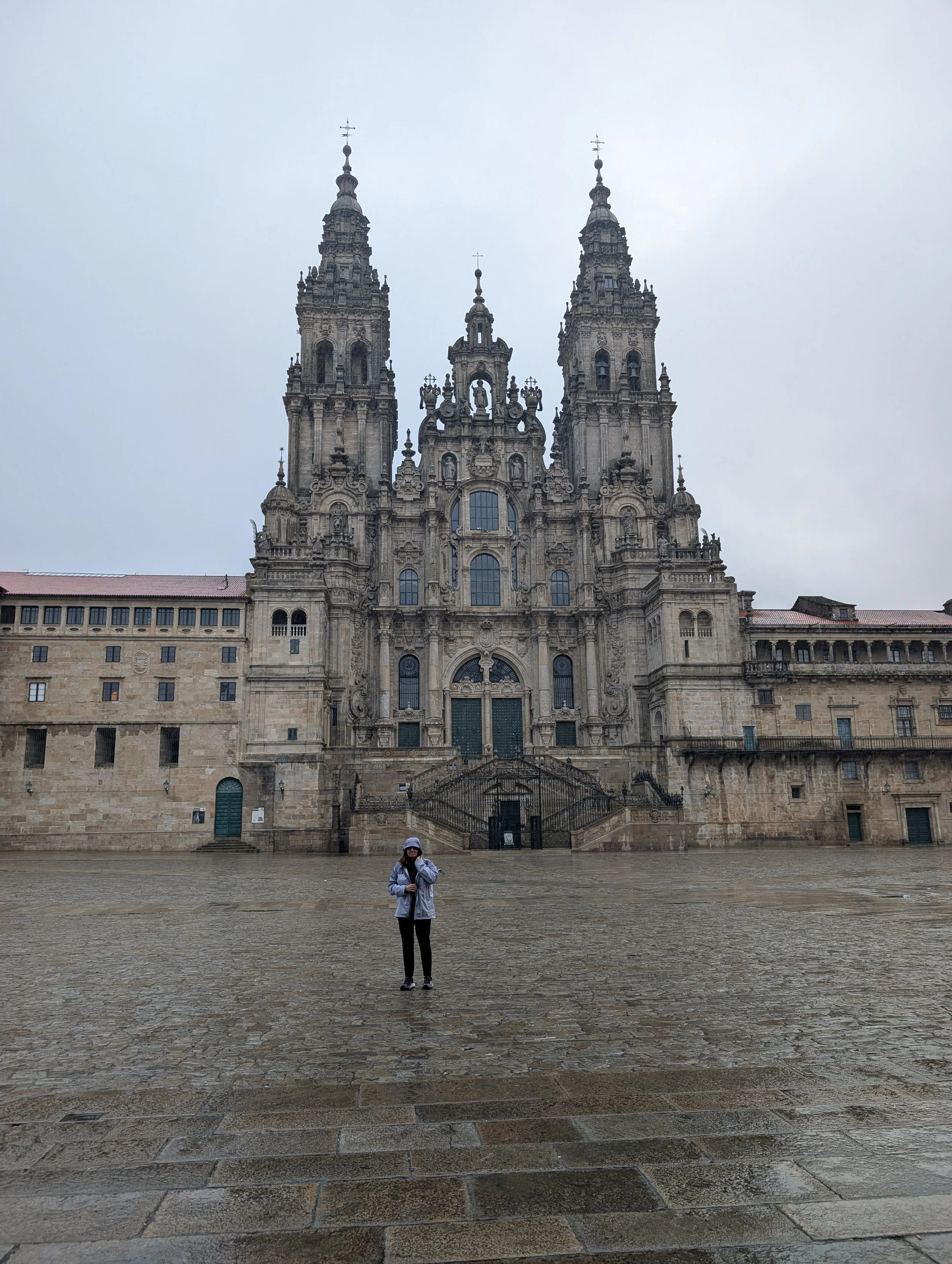
Reaching Santiago felt surreal. After days of walking through small towns and countryside, arriving in the city marked a quiet but meaningful transition from pilgrimage to reflection.
Day 6: Santiago → Santiago (10 km / 6.2 miles)
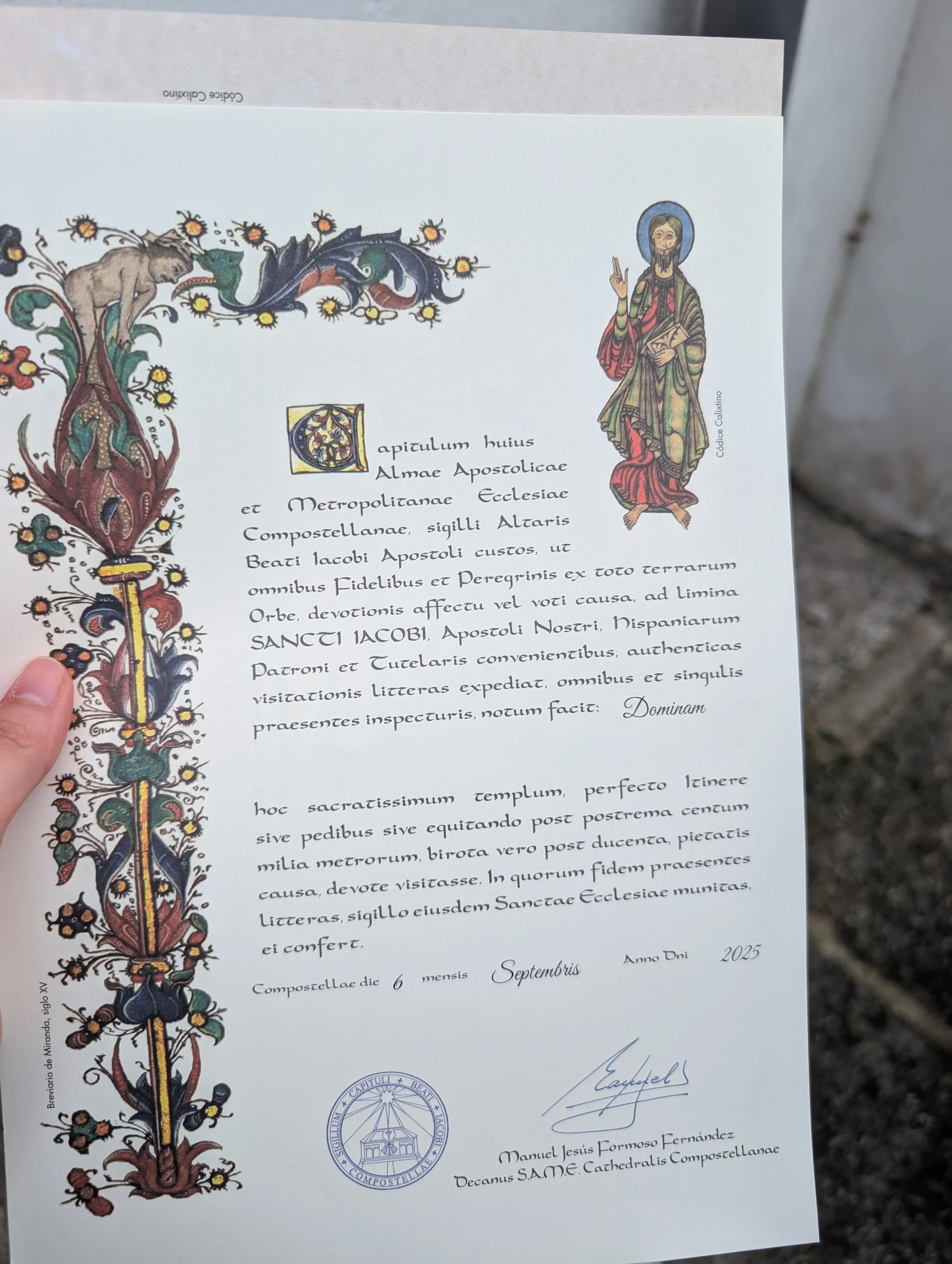
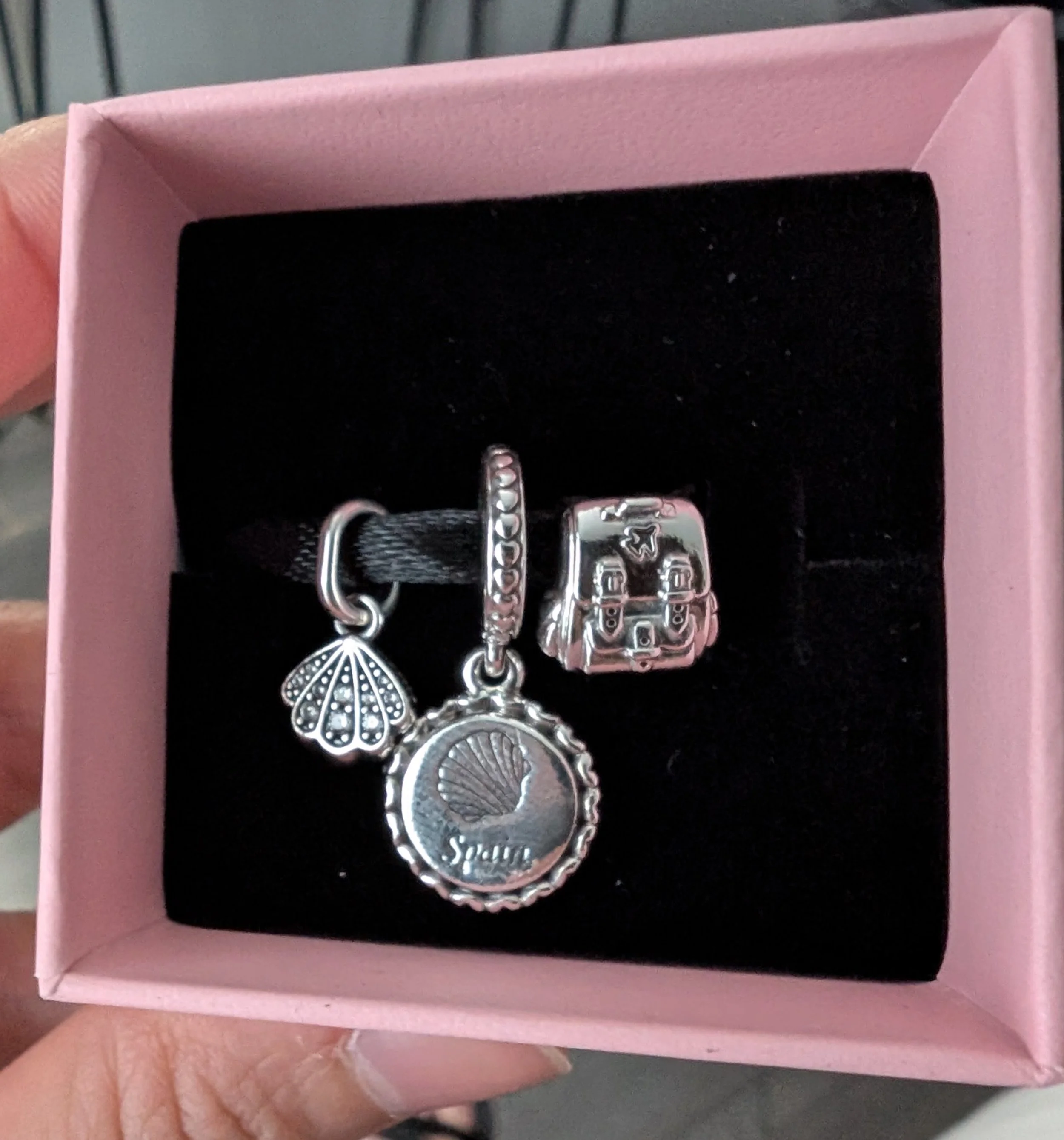
Our final walking day totaled about 10 kilometers (6.2 miles). We intentionally kept this day short so we wouldn’t be too exhausted to enjoy Santiago itself. Once in the city, we picked up our Compostelas, relaxed back at the hotel, and spent some time exploring—including a stop at the local mall, where I couldn’t resist picking up a few Camino-themed Pandora charms.
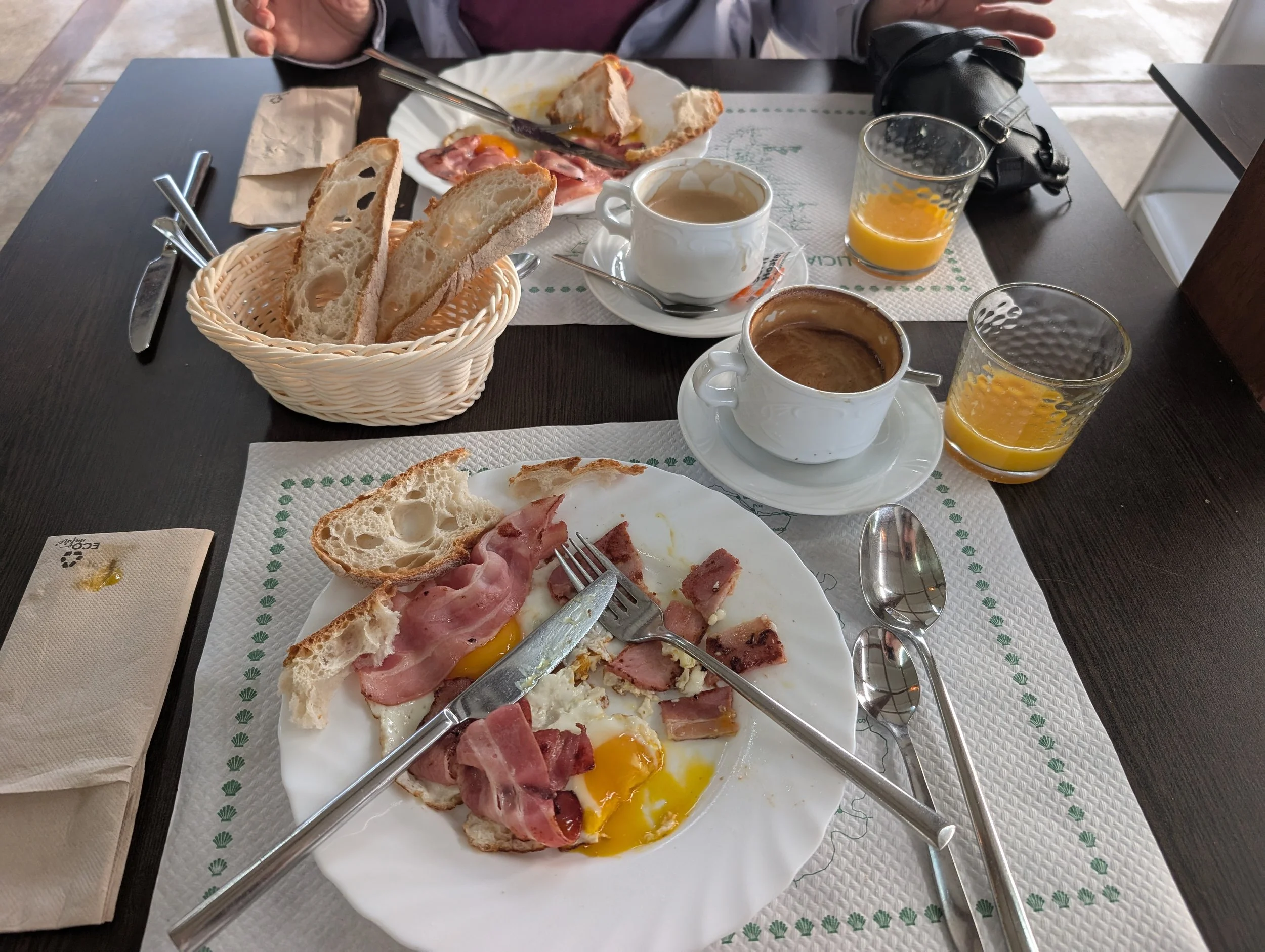
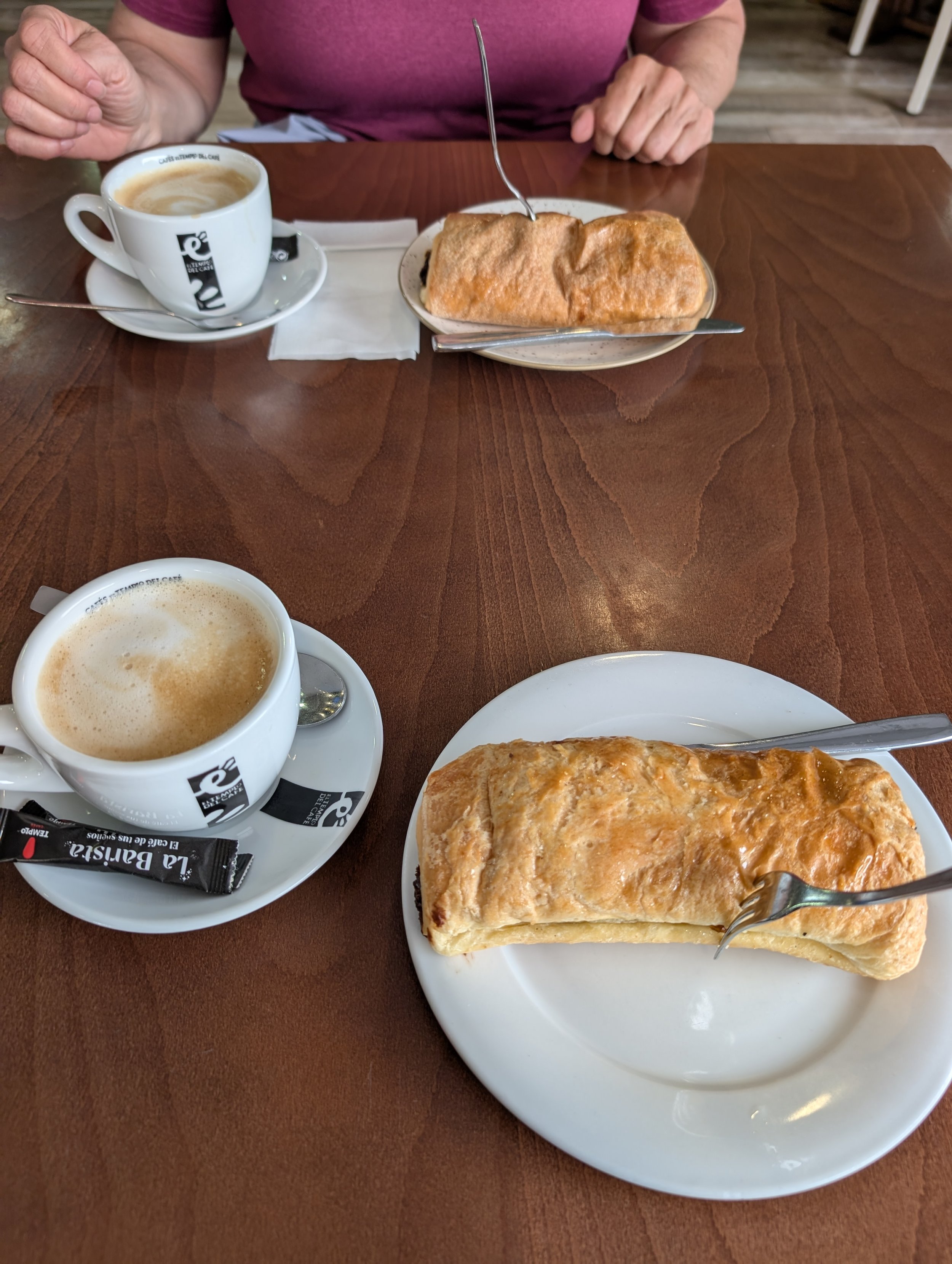
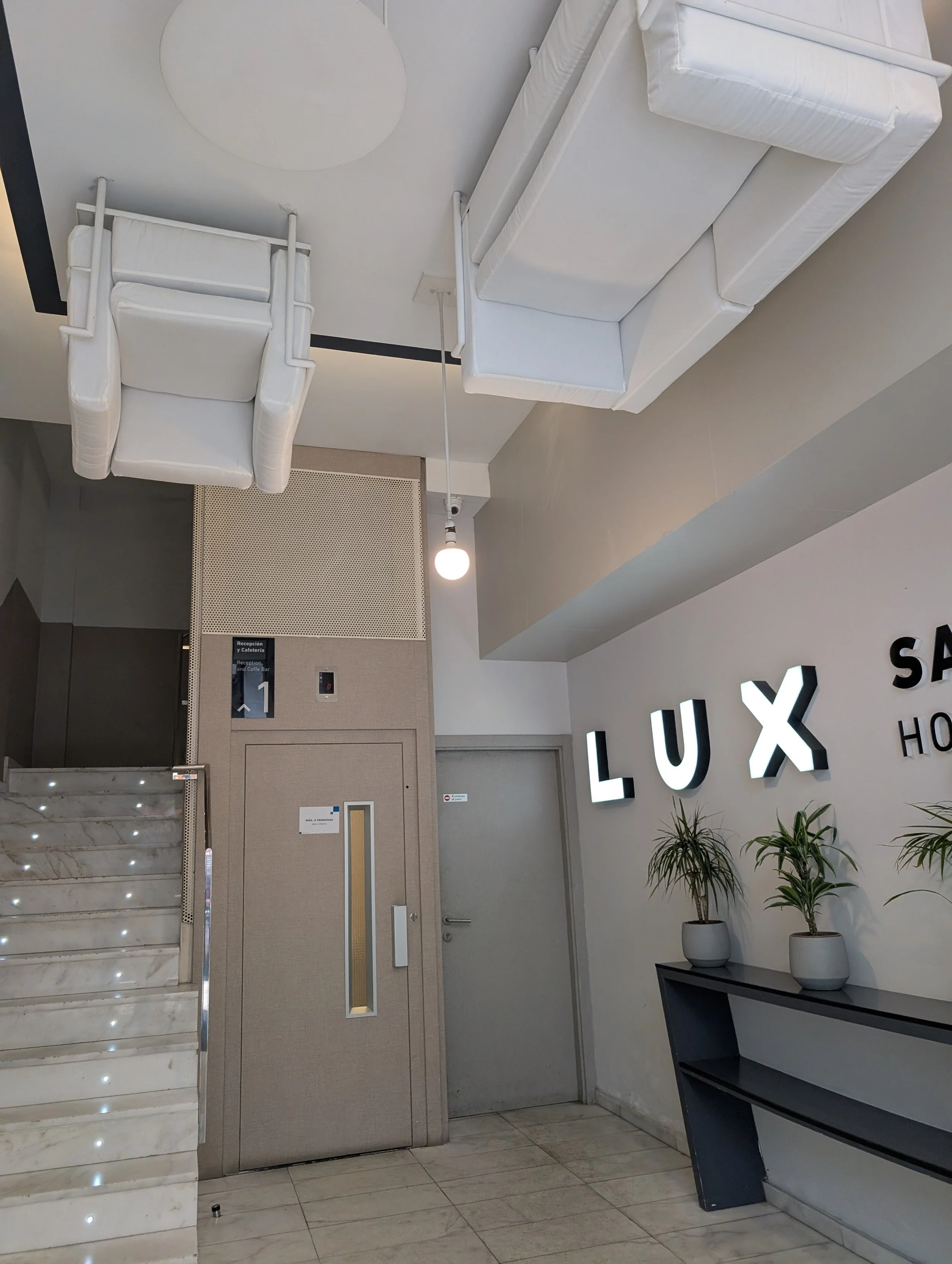
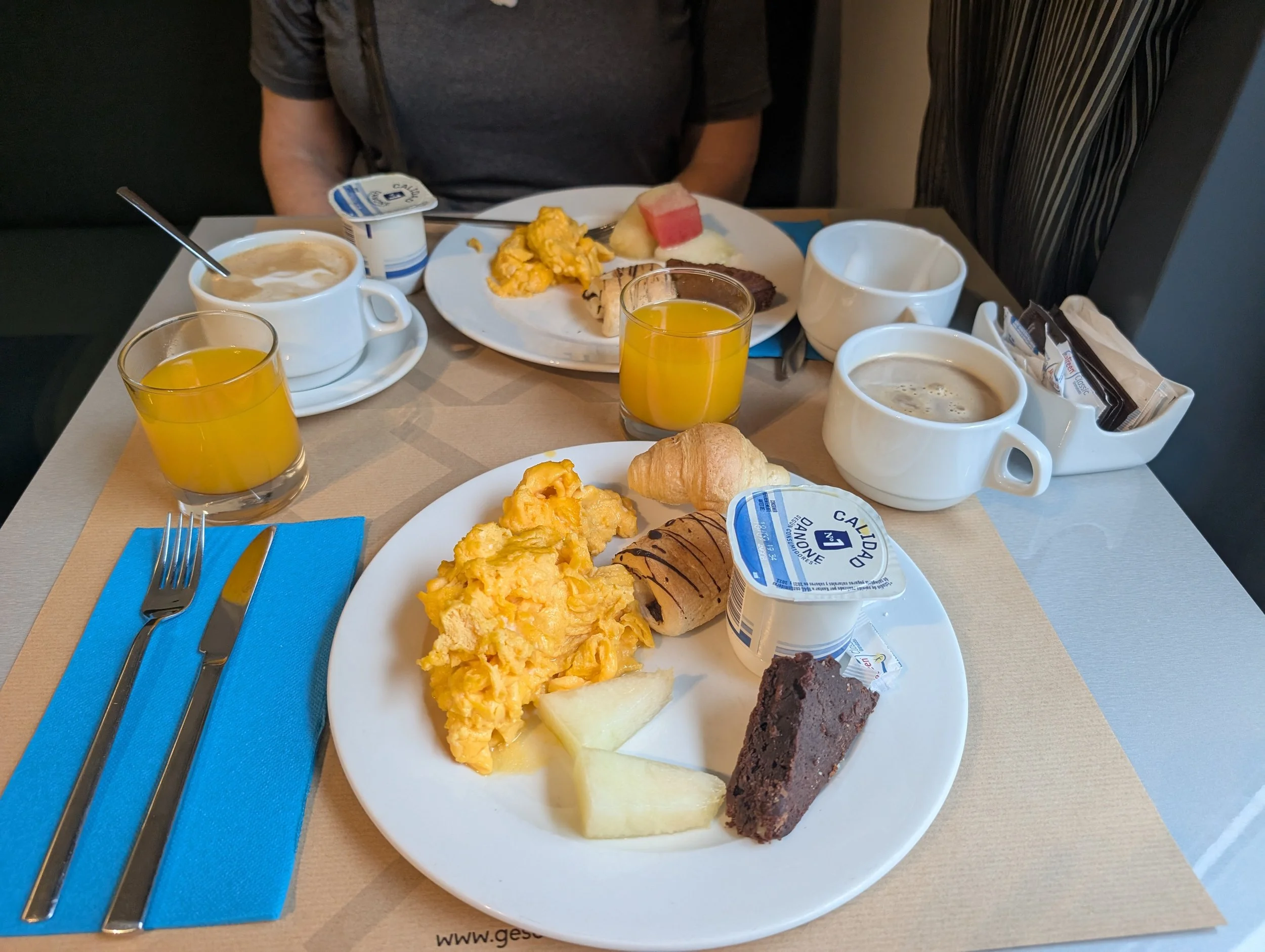
We stayed at Hotel Lux Santiago, which was incredibly comfortable and even had a balcony. We opted to include breakfast, and the eggs were genuinely amazing—well worth it.
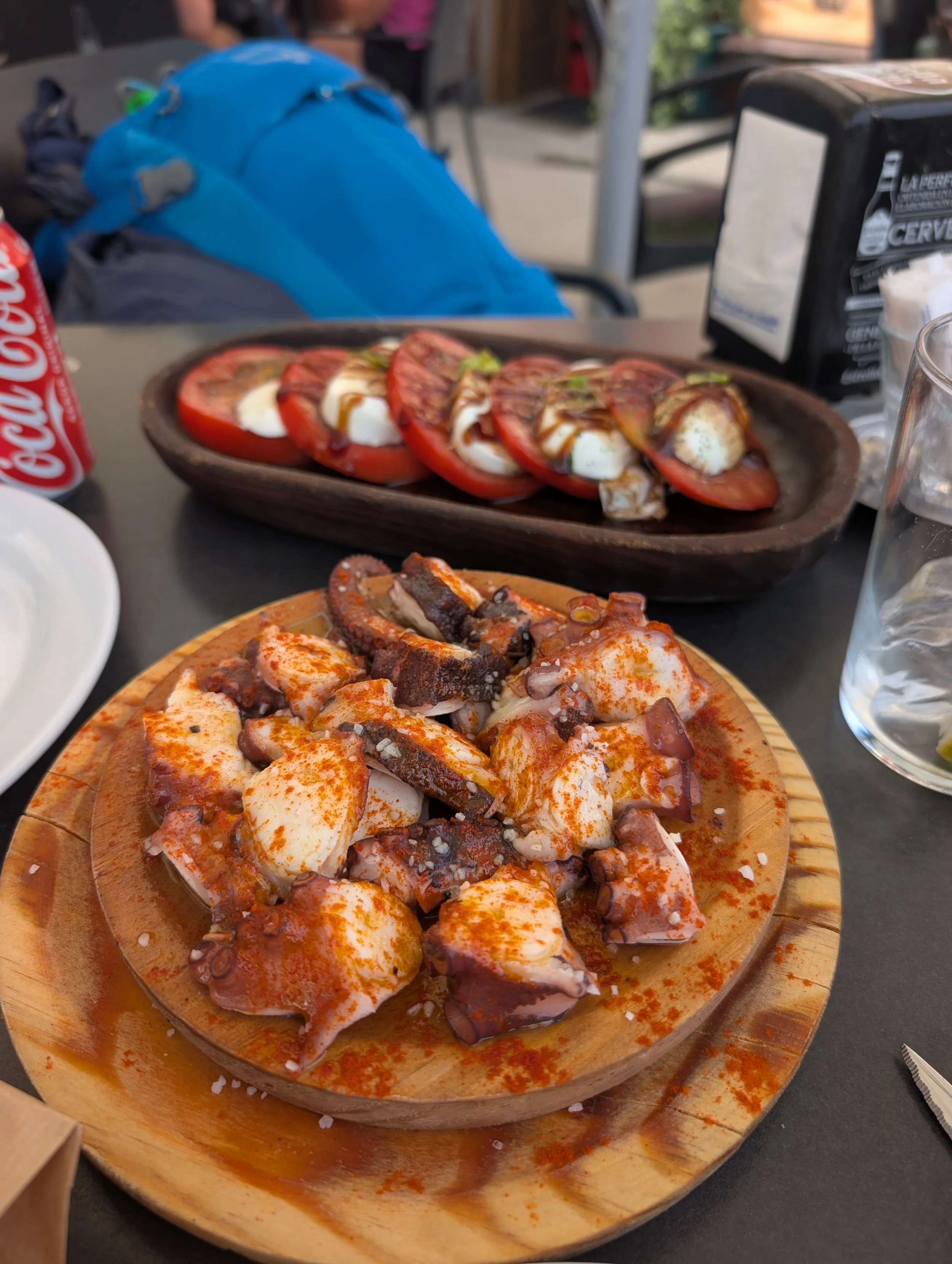
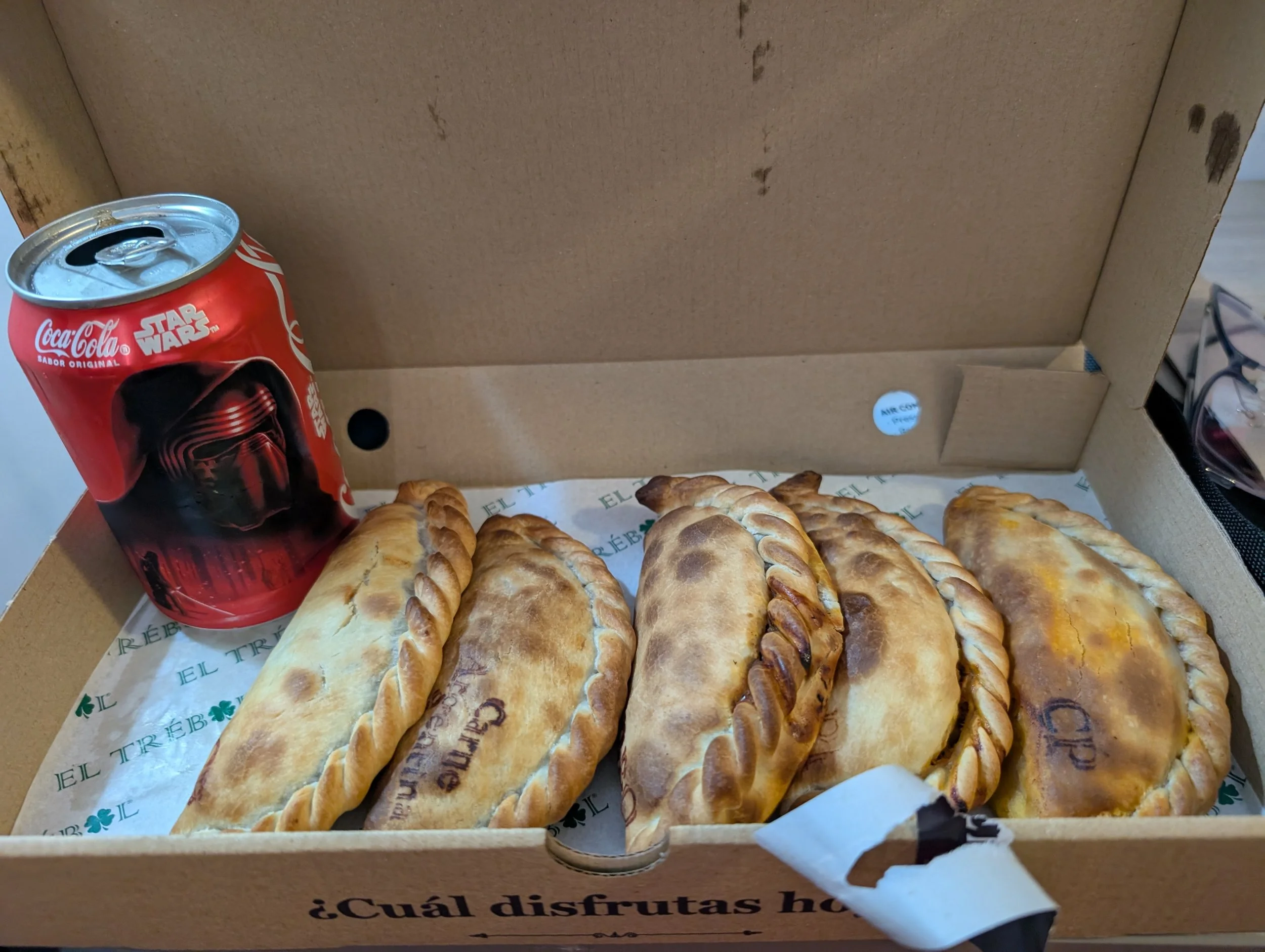
For dinner, we ate at El Trébol 1983 – Pizzas y Empanadas Argentinas. We ordered a variety of Argentinian empanadas, including spicy chicken, spicy beef, mushroom and cheese, and ham and cheese. While the Argentinian meat empanada included olives (sadly), the overall experience was fantastic. If you have time while in Santiago, this spot is absolutely worth a visit.
Day 7: Santiago → Madrid → Lisbon (Departure Day)
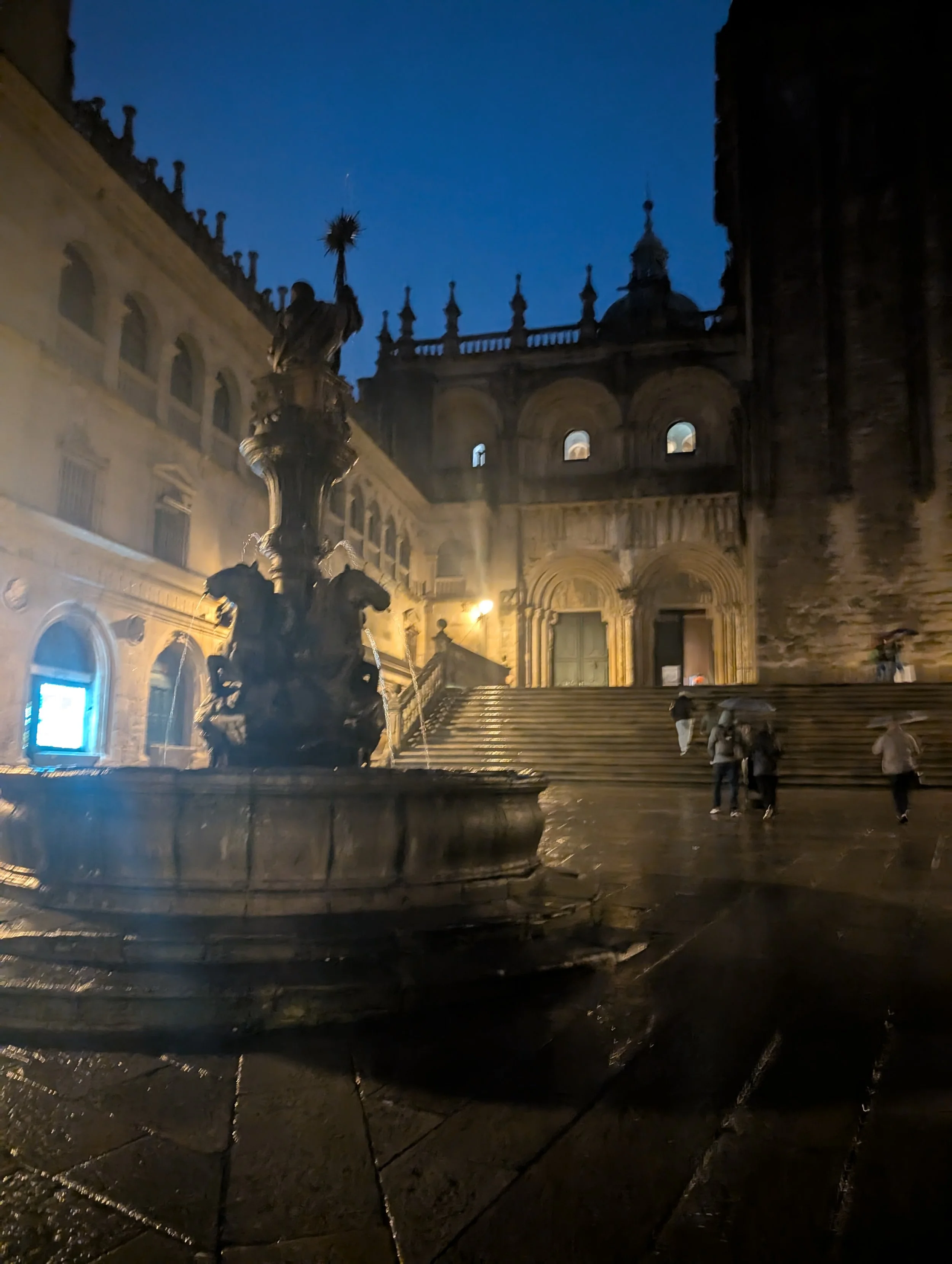
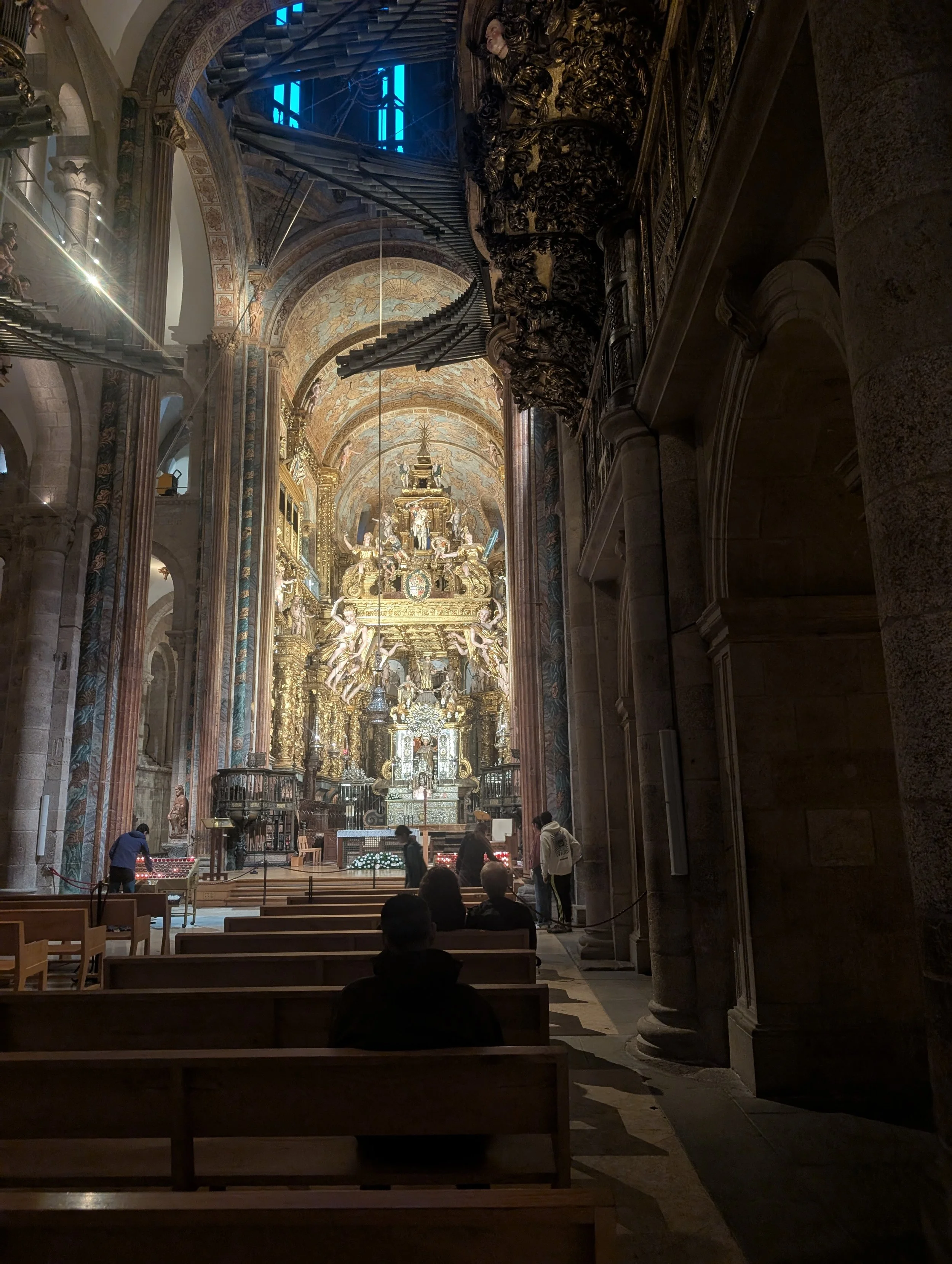
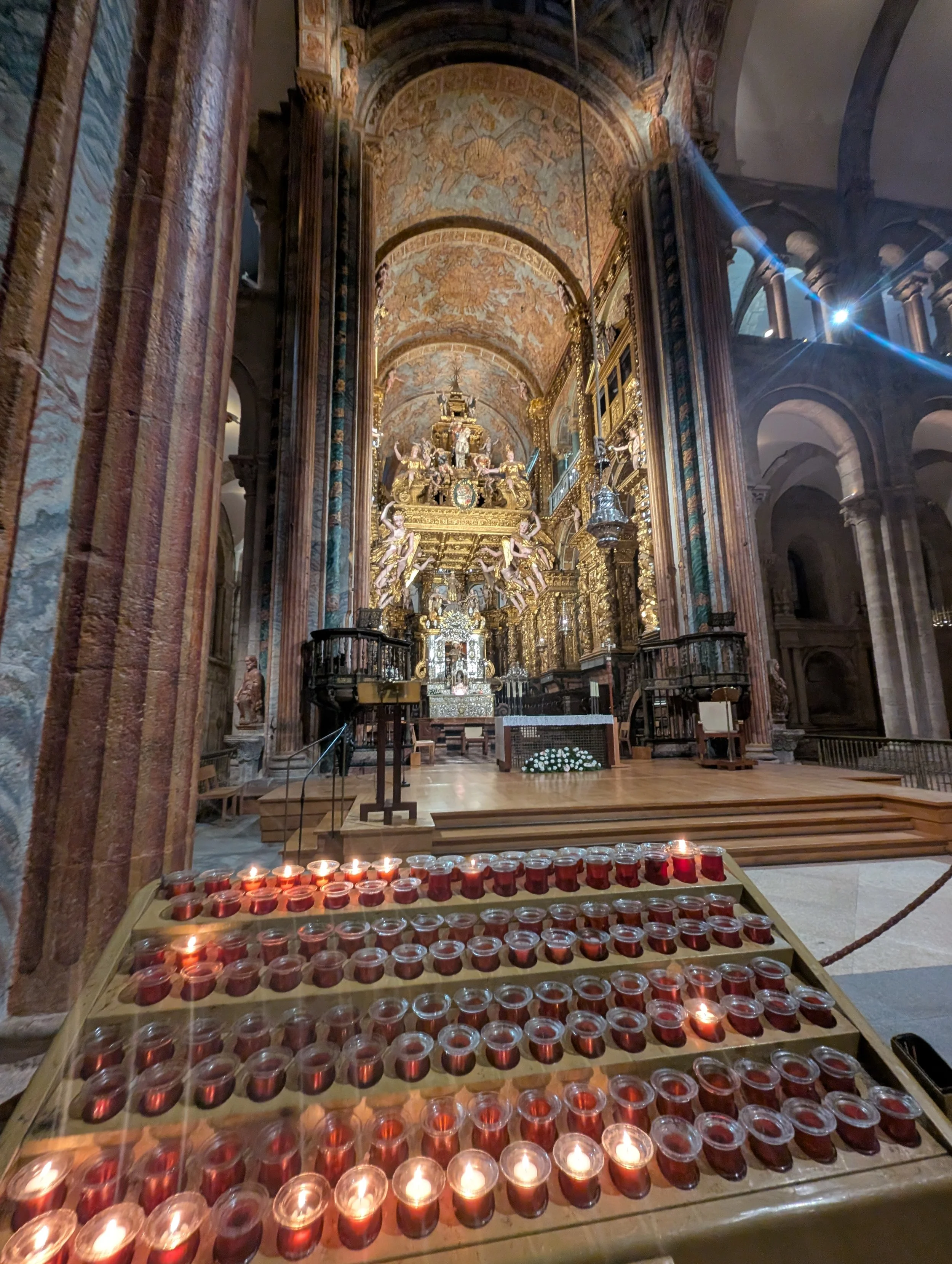
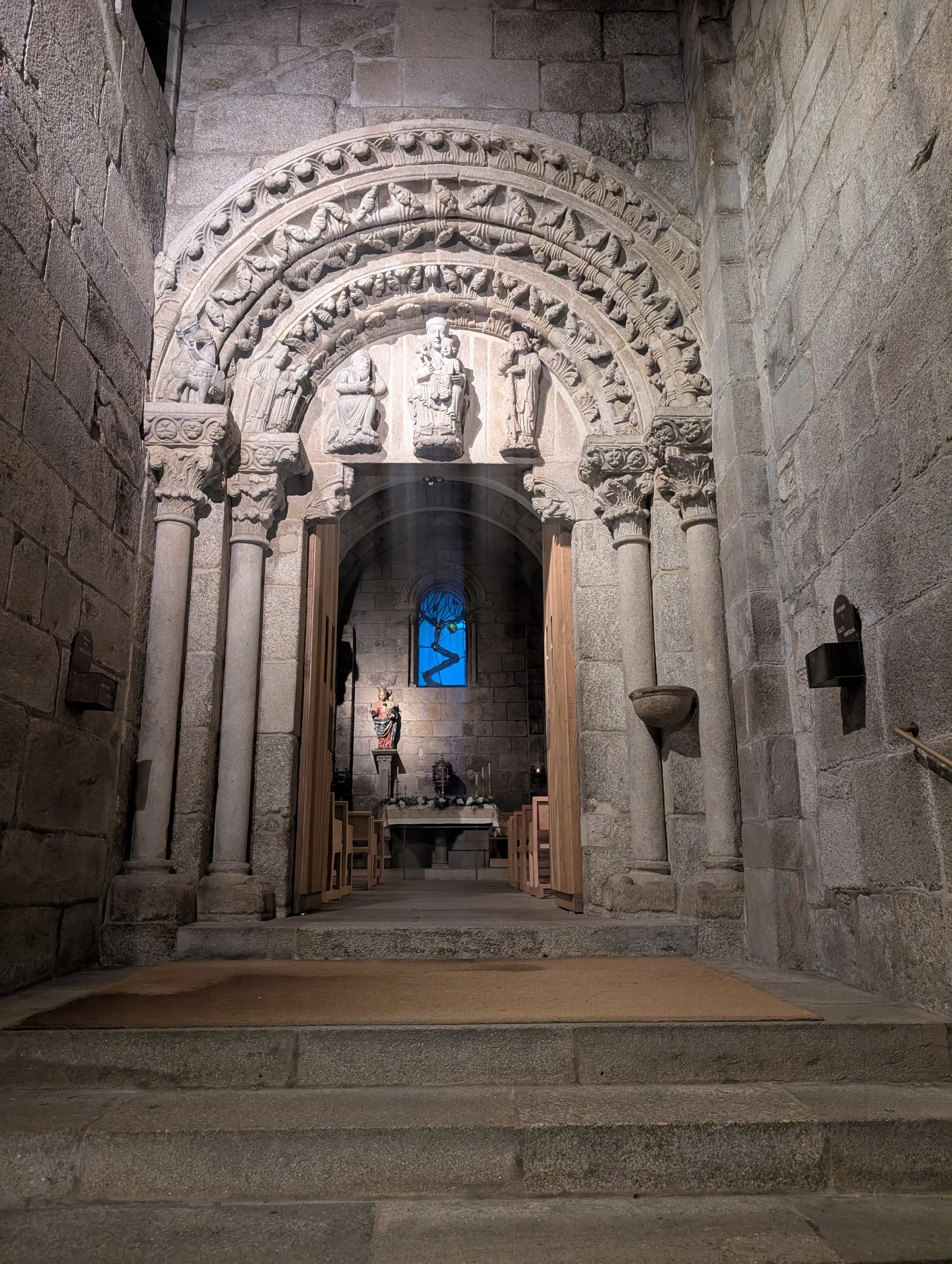
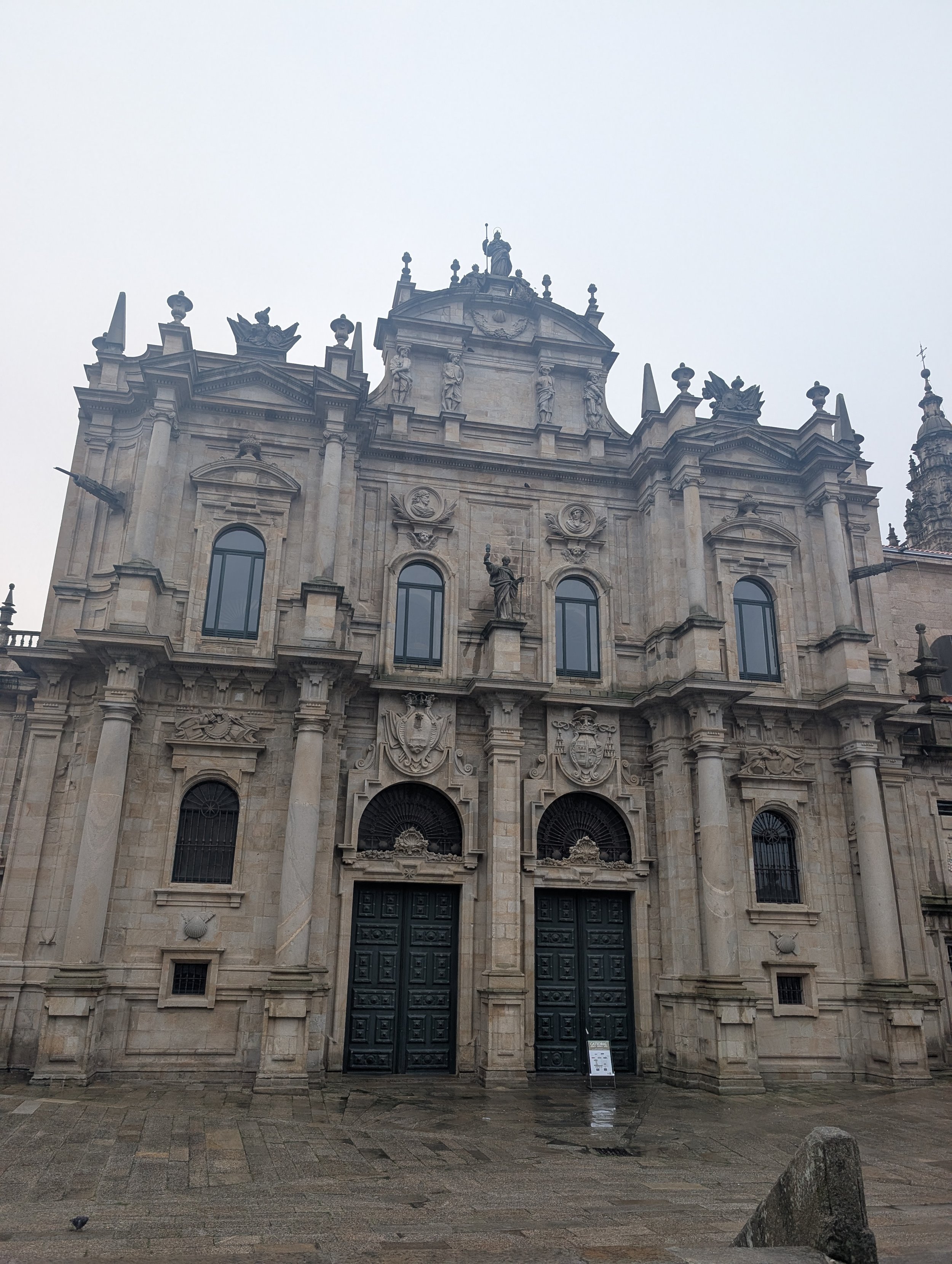
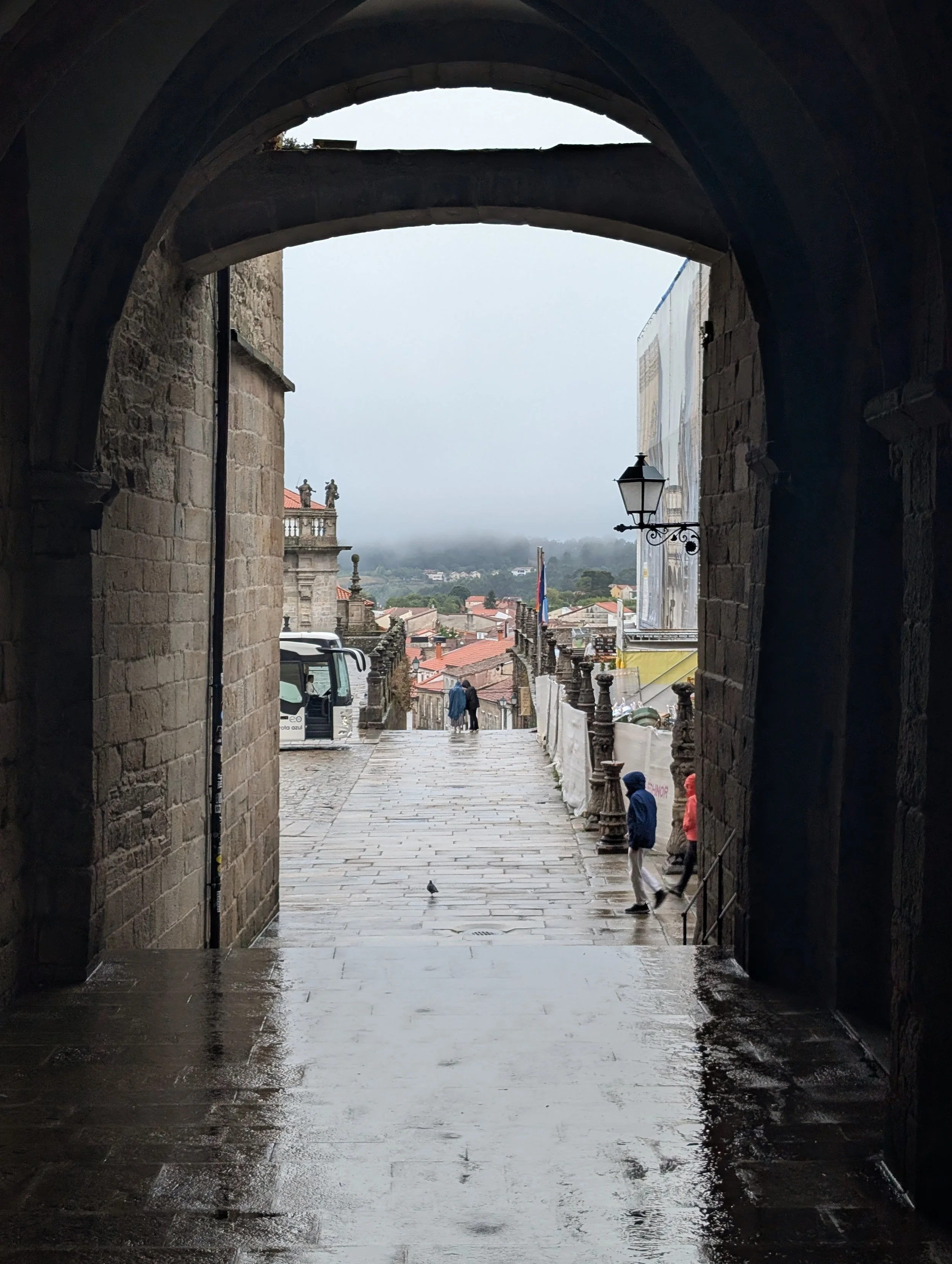
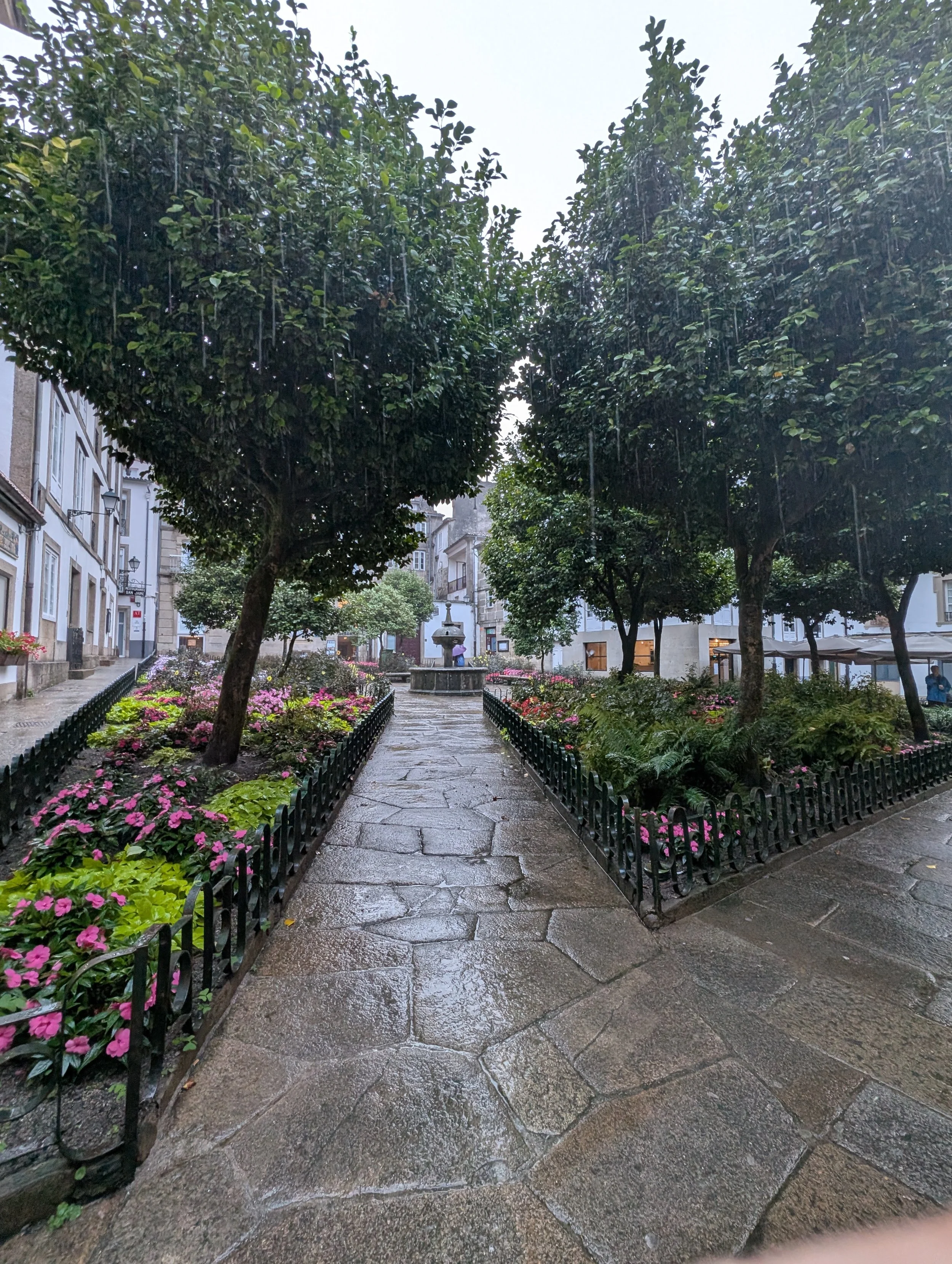
We attended early morning mass at the cathedral in the rain, before the sun had risen. It was unexpected, quiet, and deeply memorable—an intimate way to reflect on the journey we had just completed.
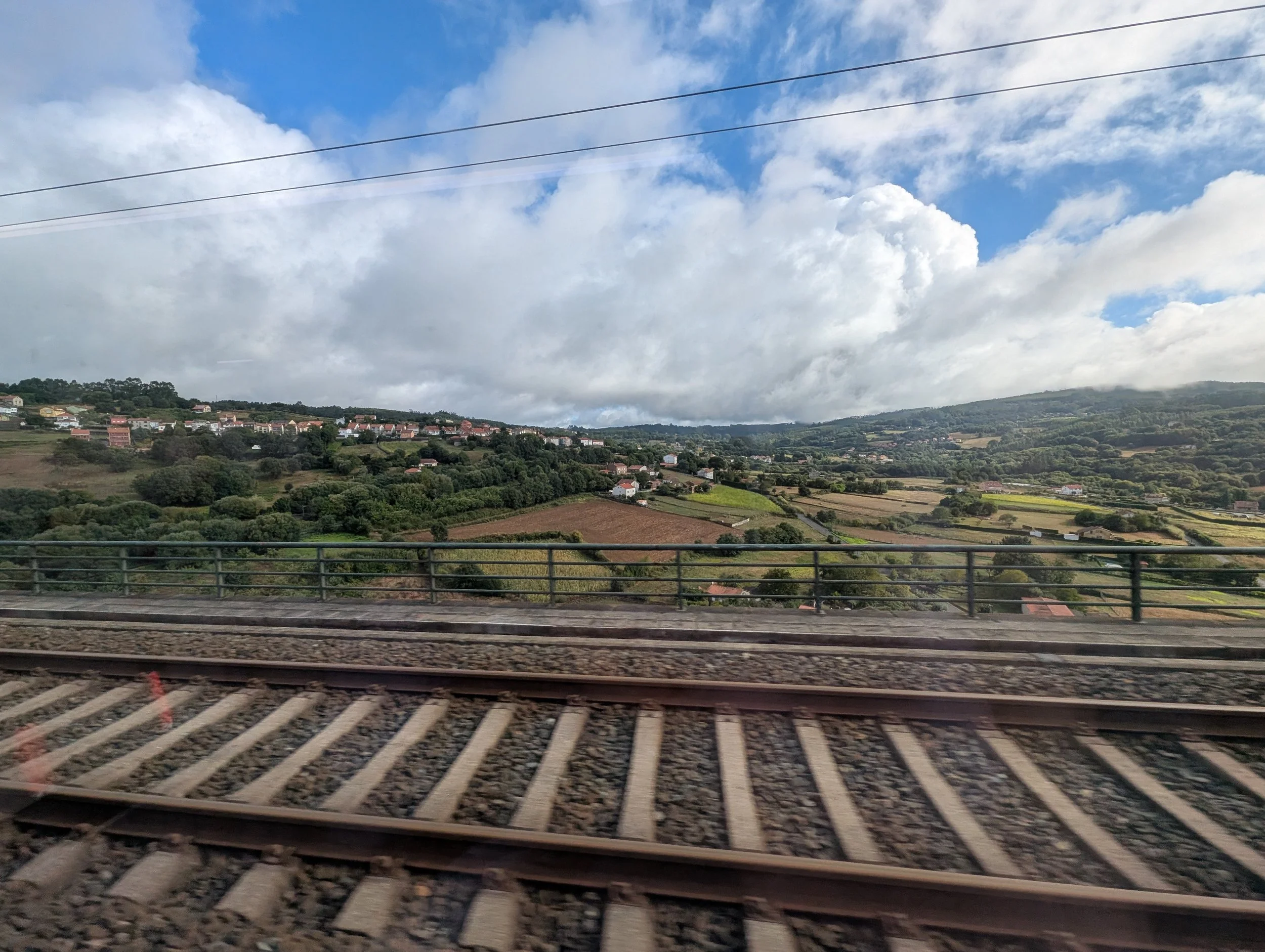
After mass, we visited the gift shop to pick up a few keepsakes, packed our bags, and said goodbye to Santiago. From there, we took the train back to Madrid and then the subway to the airport, continuing on to Lisbon for a bit of sightseeing before heading home.
Day 7 marked the end of our Camino and the beginning of a new chapter of travel—one last reminder that journeys don’t always end where you expect, but often lead somewhere just as meaningful.
Final Reflections
Going on this journey brought lifelong memories and helped my mom and me discover an inner strength we didn’t know we had—one that carried us through both the physical and mental challenges along the way. We are incredibly grateful for the opportunity to experience the Camino and for all the kind Spaniards who were so friendly and patient with our broken Spanish. We also met several wonderful Americans who truly made our journey and our days of walking even better (shoutout to Annie from California and Emmanuel from Michigan).
Items Brought
1 pair of zip-off hiking pants
1 pair of regular hiking pants
1 pair of flip flops
1 pair of sandals
2 pairs of compression socks( great for plane or long mile days)
4 pairs of ankle socks
2 regular T-shirts
1 pair of joggers
plenty of underwear
2 bras
Fanny pack
Battery pack to charge phone
outlet adaptor
phone wire
gum (for the plane)
Stuff Bought There
walking sticks
foldable hat
sunglasses
